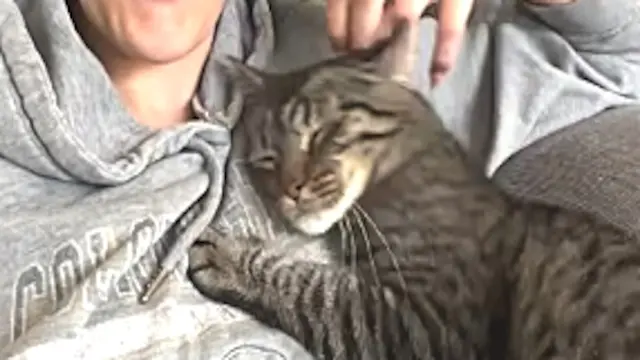
 Shelter's Longest Resident Hugs Her New Owner
#Shelter Cat
1 ideas
Shelter's Longest Resident Hugs Her New Owner
Get new #Shelter Cat ideas by email
Every Thursday: the week's best ideas, with the newest from #Shelter Cat.
Related tags
Shelter Cats: Adoption, Care and Adjustment
What a shelter cat is
A shelter cat is a cat living in an animal shelter, rescue centre, or similar place while waiting for a new home. Some arrive as strays, some are surrendered by previous owners, and others come from situations where they could no longer be kept safely. Shelter cats can be of any age, temperament, or background, from playful kittens to calm older companions.
Adopting a shelter cat is often a thoughtful way to welcome a pet into your life. These cats may already be used to people, or they may need time to trust again. What they usually need most is patience, routine, and a quiet place to begin their new life.
Why shelter cats can make wonderful companions
Read more
Many shelter cats bond deeply with the people who care for them. Because their early experiences can vary so much, they often bring a mix of resilience and sensitivity. Some are immediately affectionate, while others are shy at first and grow more confident over time.
When choosing a cat, try to focus less on appearance and more on personality. Think about whether you want an active cat, a gentle lap cat, or a more independent companion. Shelter staff or volunteers can often tell you how a cat behaves with handling, noise, other animals, or children.
What to know before adoption
A shelter cat may need an adjustment period after coming home. Even friendly cats can hide, eat less, or seem unsure for the first few days. This is normal. A new space, new smells, and new sounds can feel overwhelming.
To help the transition:
- Prepare one quiet room at first, with food, water, a litter tray, and a bed or box for hiding.
- Let the cat come to you instead of reaching in too quickly.
- Keep feeding and cleaning routines regular.
- Give the cat time to explore at its own pace.
- Introduce other pets slowly and with care.
Common types and needs
Shelter cats include kittens, adult cats, and seniors, and each age has its own needs. Kittens may be lively and curious, but they also need guidance and safe play. Adult cats can already have clear habits and preferences. Older cats may be calmer and especially appreciative of comfort and consistency.
Some cats need extra reassurance because they are timid, have had limited human contact, or have lived with other animals before. Others settle in quickly and enjoy interaction right away. There is no single shelter-cat personality.
Simple care and good habits
A good home for a shelter cat is one that supports both comfort and security. Keep fresh water available, offer a balanced diet, and provide scratching posts, hiding places, and safe toys. Gentle play helps build trust and gives the cat a healthy outlet for energy.
It is also helpful to watch for stress signals such as flattened ears, a tucked tail, or repeated hiding. If a cat seems unwell, tired, or suddenly changes behaviour, seek advice from a qualified animal professional.
A patient relationship
The best thing you can give a shelter cat is time. Trust often grows in small steps: a cautious look, a first meal taken near you, a relaxed nap in the same room, a soft purr. With calm handling and steady care, many shelter cats become deeply affectionate companions and a lasting part of the home.
Videos come from YouTube and posts from Instagram; titles and summaries are our own. All rights belong to their creators.