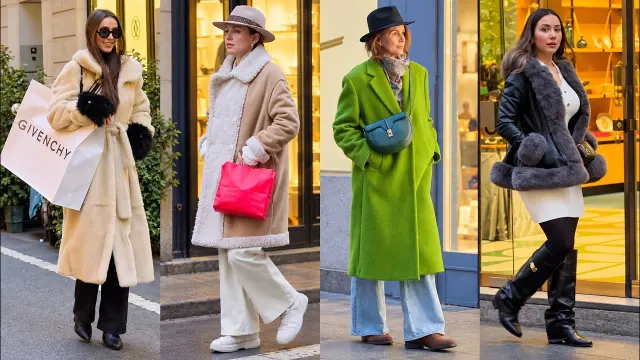
 Milan Chic Fall Trends with Elegant Luxury Outfits
#Fall Trends
1 ideas
Milan Chic Fall Trends with Elegant Luxury Outfits
Get new #Fall Trends ideas by email
Every Thursday: the week's best ideas, with the newest from #Fall Trends.
Related tags
Fall Trends: A Timeless Guide to Autumn Style
Autumn dressing has its own logic. The weather shifts week by week, mornings arrive cold and afternoons turn mild, and the wardrobe has to keep up without turning into a pile of half-worn clothes. What people call fall style is really the art of adapting: building outfits that can lose a layer at noon and gain two by evening, and doing it in a way that looks considered rather than improvised.
Where the look comes from
Much of what we recognise as autumn fashion descends from practical clothing — country coats, wool knits, riding boots, school and workwear — softened over time into everyday dress. That heritage is why fall outfits tend to lean on texture, muted colour and sturdy materials instead of prints and shine. The season also carries a strong sense of ritual: the return to routine after summer, the first coat, the reintroduction of boots.
Colour and fabric
Read more
Autumn palettes are usually drawn from what the season itself offers: rust, ochre, olive, camel, chocolate, plum, deep green, cream and charcoal. You do not need all of them. A simple approach is to choose two neutrals as a base, one richer shade as an accent, and let everything mix.
Fabric is where autumn really happens. Wool, merino, cashmere, cotton twill, corduroy, flannel, leather and suede all hold warmth and add surface interest. Natural fibres breathe better in the awkward in-between temperatures, and they age well when cared for. Look at the label before you fall for a colour: a blend that pills after three wears is not a bargain.
Layering, the core skill
Think in three layers: a light base close to the skin, a mid-layer for warmth, and an outer layer that handles wind and rain. Knitwear over a shirt, a fine turtleneck under a blazer, a thin cardigan beneath a trench — each piece should work on its own as well as in company.
A few practical habits help:
- Keep the thinnest layer soft and fitted, so it never bunches under sleeves.
- Choose outerwear slightly roomier than you think you need; it has to sit over a jumper.
- Let one layer carry the interest — a textured knit, a scarf, a print — and keep the rest quiet.
- Check that lengths relate to each other: a cropped jacket over a long shirt reads differently than the reverse.
Shapes that last
Silhouettes change, but some shapes keep returning because they work: straight-leg trousers, midi skirts, oversized coats, ribbed knits, ankle boots and simple leather bags. If you want a wardrobe that stays useful, buy the shape you will still reach for in five years and let the details be the part you vary.
Getting started
Start with the gaps rather than the wishlist. Note what you actually wore last week, then add one good coat, one knit you love the feel of, and a pair of boots you can walk in. Try everything on with what you already own, in the light of day. Autumn style rewards patience and good maintenance far more than it rewards novelty.
#Fall Trends: frequently asked questions
How do I start building a fall wardrobe without buying a whole new closet?
Begin by looking at what you actually wore over the past week and note the real gaps rather than the things you wish you owned. Add a good coat, a knit whose texture you genuinely like, and a pair of boots you can walk in, then try each piece on with clothes you already have in daylight. Building slowly around what you own keeps the season's outfits looking deliberate instead of shop-fresh.
What fabrics should I look for in autumn clothing?
Reach for natural fibres that hold warmth and add surface interest — wool, merino, cotton twill, corduroy, flannel, leather and suede all do this well and breathe in the awkward in-between temperatures. Check the label before you commit to a colour you love, because a blend that pills quickly will not earn its place. Well-chosen materials also age gracefully when you look after them.
How do I choose a fall colour palette that still works with everything I own?
Autumn shades come straight from the season — rust, ochre, olive, camel, chocolate, plum, deep green, cream and charcoal — but you don't need all of them. Pick a couple of neutrals as your base and one richer shade as an accent, then let the rest of your wardrobe mix freely around them. Two people can wear the same palette very differently, so favour the shades that flatter you.
What are the most common layering mistakes people make in autumn?
The usual culprits are a bulky base layer that bunches under sleeves, outerwear cut too close to fit over a jumper, and too many competing details in one outfit. Keep the innermost layer soft and fitted, size the coat with room to spare, and let a single textured knit, scarf or print carry the interest while everything else stays quiet. It also helps to check that hemlines and lengths relate to one another.
How should I care for wool, knits and leather so they last through the season?
Air knitwear between wears instead of washing it every time, fold rather than hang heavy wool, and deal with pilling promptly so it doesn't spread. Leather and suede benefit from being kept dry, brushed clean and stored away from direct heat. Autumn style rewards maintenance far more than it rewards novelty.
What fall outfit ideas work for both a casual day and a smarter occasion?
Start with shapes that keep returning because they work — straight-leg trousers, midi skirts, oversized coats, ribbed knits, ankle boots and a simple leather bag. For a relaxed day, pair a knit with trousers and flat boots; for something dressier, swap in a midi skirt or layer a fine turtleneck under a blazer. A single distinctive layer, such as a textured knit or a scarf, changes the mood without a whole new outfit.
Videos come from YouTube and posts from Instagram; titles and summaries are our own. All rights belong to their creators.