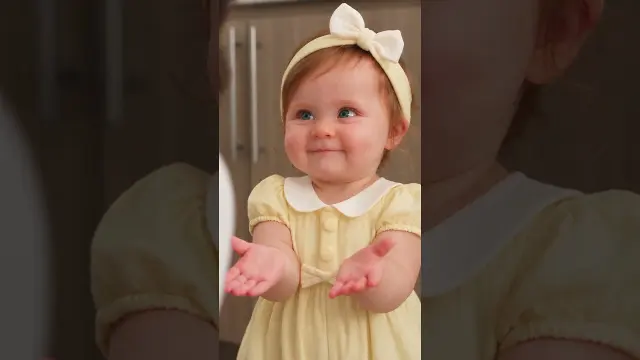
 Funny Toddler Hides Candy with Dad in Playful Family Moment
#Family Comedy
2 ideas
Funny Toddler Hides Candy with Dad in Playful Family Moment
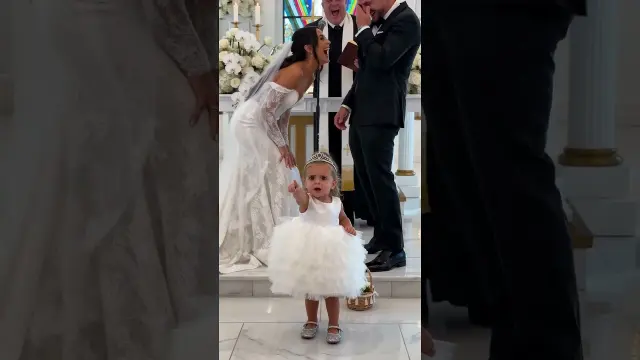 Toddler's Funny Joke Leaves Wedding Guests Laughing
Get new #Family Comedy ideas by email
Every Thursday: the week's best ideas, with the newest from #Family Comedy.
Related tags
Family Comedy: Laughter at Home and Beyond
Family comedy is the kind of humour that comes from shared life: parents, children, siblings, grandparents, and all the small misunderstandings, habits, and routines that make a family feel real. It can be a story, a film, a performance, or simply a funny moment at home. What makes it special is that the laughter usually comes from recognisable situations rather than mean-spirited jokes. You smile because you have seen something like it before.
At its heart, family comedy is about connection. It often turns ordinary moments into something amusing: a child saying the wrong thing at the wrong time, a parent trying to stay calm, a sibling rivalry that quickly becomes silly, or a family gathering where plans go slightly off course. These moments work because they are familiar. Even when the details are different, the feeling is universal.
What family comedy often includes
Family comedy can take many forms. It may be:
- Gentle humour based on everyday routines
- Slapstick or physical comedy, such as harmless mishaps and clumsy moments
- Wordplay, jokes, and funny misunderstandings
- Light storytelling about home life, school, holidays, or family events
- Warm character comedy, where each person’s personality creates the humour
Read more
Some family comedies are broad and playful, while others are quiet and subtle. Some focus on young children and their unpredictable logic. Others lean into the chaos of teenagers, busy households, or multi-generational families. The best ones usually leave room for affection as well as laughter.
Why it works so well
Family comedy works because families are full of contrast. People of different ages think differently, speak differently, and react differently. That gives endless material for humour. A joke that lands because a child takes words literally. A funny argument that ends in a hug. A group effort that becomes more chaotic the longer it goes on. These moments are entertaining because they feel honest.
It also helps that family comedy is usually easy to share. It often avoids harsh or complicated humour and instead aims for something welcoming. That makes it a natural choice for mixed-age audiences and for anyone who likes humour rooted in real life.
Tips for enjoying or creating family comedy
If you want to enjoy family comedy more fully, look for the details. Often the funniest part is not the big punchline but the tiny reaction, the offhand remark, or the pause before everyone starts laughing.
If you are creating family comedy yourself, keep it warm and recognisable:
- Start with a simple situation people know well
- Let characters act in ways that fit their age and personality
- Use timing and surprise, not just loud jokes
- Keep the humour kind whenever possible
- Notice the small truths of family life, because that is often where the laughter lives
Family comedy stays appealing because it reflects something many people know: home can be messy, noisy, and imperfect, but it can also be full of joy. When done well, it reminds you that laughter is one of the easiest ways families connect.
#Family Comedy: frequently asked questions
How do I start creating family comedy if I have never written any?
Begin with a situation your own household already knows well, such as a rushed morning, a holiday meal, or a bedtime negotiation, and build the humour out of what actually happens there. Watch for the small detours — the misplaced remark, the pause before someone reacts — rather than inventing a big punchline. Once you have one recognisable scene, let it play out honestly and the laughs usually follow.
What do I need to make family comedy work?
Mostly you need a believable family and a simple setup; props and staging matter far less than recognisable behaviour. Give each character an age and personality that fit together, so their reactions feel true instead of interchangeable. Warmth and good timing carry a scene further than elaborate jokes.
Which kind of family comedy should I choose — gentle everyday humour or broad slapstick?
It depends on who you are entertaining. Gentle, character-driven humour travels well with mixed ages and rewards attention to small details, while slapstick suits livelier, visual moments like harmless mishaps and clumsy turns. Many of the best pieces mix both, keeping the physical comedy playful and the quieter jokes kind.
How do I keep family comedy suitable for children and grandparents watching together?
Aim for humour built on familiar situations rather than jokes at someone's expense, and check that the laugh is never earned by humiliating a character. Contrast between ages — a child taking words literally, a parent trying to stay calm — gives plenty of material without anything harsh. If everyone in the room can recognise themselves in it, you have probably got the tone right.
Any ideas for family comedy at a gathering or celebration?
Look for the moment where plans go slightly off course, such as a speech that drifts, a group photo that refuses to come together, or a child who says the thing nobody expected. Small live sketches drawn from your own family's routines tend to land better than prepared jokes, because the audience recognises the truth in them. Keep it short, keep it affectionate, and let the people involved be in on the fun.
What mistakes should I avoid when writing family comedy?
The usual pitfall is reaching for loud jokes or cruelty instead of the quiet truth of the moment, which can leave an audience cold even when it is funny on paper. Another is writing characters who all sound the same age, since the humour comes from different people reacting differently to the same event. Finally, resist explaining the joke — a tiny reaction or an offhand remark often does more work than a long setup.
Videos come from YouTube and posts from Instagram; titles and summaries are our own. All rights belong to their creators.