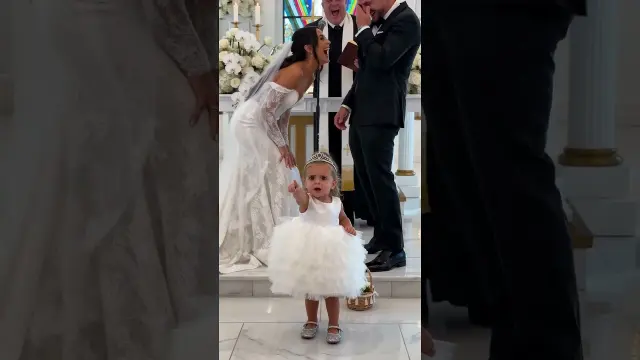
 Toddler's Funny Joke Leaves Wedding Guests Laughing
#Funny Toddler
1 ideas
Toddler's Funny Joke Leaves Wedding Guests Laughing
Get new #Funny Toddler ideas by email
Every Thursday: the week's best ideas, with the newest from #Funny Toddler.
Related tags
Funny Toddlers: Why Little Kids Make Us Laugh
What makes toddlers funny
Toddlers are often funny because they are still learning how language, social rules, and the world work. They repeat words at the wrong time, copy grown-up gestures with complete seriousness, and make unexpected connections that feel delightfully offbeat to adults. Their humour is usually unplanned. It comes from curiosity, imitation, and the very direct way they experience life.
A toddler’s sense of humour is closely tied to development. They may laugh at surprises, sounds, funny faces, physical silliness, or simple repetition. They also enjoy cause and effect: dropping a toy, hiding behind a curtain, or making an adult pretend to be surprised can become endlessly amusing. What seems “funny” often reflects a child’s growing understanding of pattern, timing, and shared attention.
Common kinds of toddler humour
Read more
Some of the most familiar toddler jokes are not jokes in the adult sense at all. They are playful habits that invite laughter and connection.
- Silly sounds: noises, nonsense words, and exaggerated animal sounds often get big reactions.
- Repetition: saying the same word or doing the same action again and again can be very entertaining.
- Physical comedy: waddling, tripping over imagination, or pretending to be a monster may be hilarious to a toddler.
- Mischievous pretending: hiding, startling someone gently, or “forgetting” something obvious can become part of a game.
- Mixed-up language: toddlers may use the wrong word or invent their own, which can sound wonderfully funny.
You may also notice that toddlers laugh at things adults do not expect them to find amusing. Their humour is personal, spontaneous, and often rooted in the immediate moment rather than a punchline.
How to enjoy toddler humour
If you are around a funny toddler, the best response is usually simple enjoyment. Laugh with them when something is genuinely playful, and show that you notice their attempts at humour. That shared reaction helps build trust and confidence.
You can support a child’s playful side by:
- responding to their jokes and silly moments with warmth
- copying their funny face or sound to keep the game going
- using simple pretend play, rhymes, and repetition
- giving them space to be silly without correcting every odd idea
It can also help to remember that toddlers often repeat what gets a reaction. If a behaviour is charming and harmless, a small laugh may encourage more of it. If something is disruptive, calm redirection works better than a strong emotional response.
What beginners should know
If you are new to toddler behaviour, the main thing to understand is that humour at this age is not polished or intentional in an adult way. A toddler may be exploring attention, testing reactions, or simply enjoying surprise. That does not make the laughter any less real.
Keep things safe and gentle. Avoid encouraging rough play that could lead to falls, fear, or overstimulation. The aim is not to create a little performer, but to enjoy the natural playfulness that comes with early childhood.
Most of all, try to see the world through the toddler’s eyes. Their humour is often about discovering that life can be surprising, shared, and wonderfully silly.
#Funny Toddler: frequently asked questions
What actually makes a toddler funny?
Most toddler humour comes from the gap between what a child understands and what adults expect. They copy grown-up gestures with total seriousness, reuse a word in the wrong place, or connect two ideas in a way that catches you off guard. It is rarely planned, which is exactly why it lands.
Which kinds of silliness work best with a toddler?
Follow what already makes your child giggle rather than inventing comedy for them. Silly sounds, animal noises, funny faces, chasing games and simple repetition tend to work because they are easy to join in with. Watch for the moment your child repeats something back to you, and build the game around that.
How do I encourage my toddler's playful side?
React warmly when something is genuinely funny and let them see that you noticed. Copy their face or sound back to keep the game alive, and use rhymes, pretend play and repetition as easy material. Give them room to be odd without correcting every strange idea, since the fun usually lives in the experimenting.
What mistakes should I avoid when a toddler is being silly?
The most common slip is laughing at something you do not want repeated, since toddlers happily return to whatever gets a big reaction. Keep the play gentle and skip anything rough or startling that could end in a fall or in overstimulation. If a behaviour is disruptive, a calm redirection works better than a strong response.
How can a funny toddler moment fit into a family occasion like a wedding?
Children often become the accidental entertainment at gatherings because they respond to the room rather than to a script. Give them a small, low-pressure part in the day, such as handing something over or joining a dance, rather than asking for a performance. Let any funny moment happen on its own and keep the setting calm so the child stays comfortable.
Do I need special toys or props for toddler humour?
Nothing elaborate is required, and everyday objects usually work better than purchased gags. A curtain to hide behind, a box to climb into, or a hat to wear the wrong way round is enough to start a game. What matters is your reaction and the shared attention, not the equipment.
Videos come from YouTube and posts from Instagram; titles and summaries are our own. All rights belong to their creators.