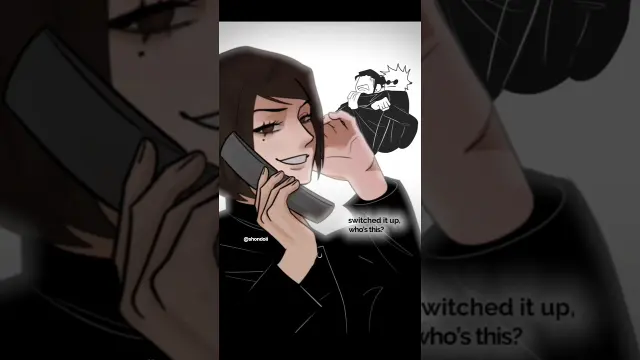
 Jujutsu Kaisen Fan Animation Set to NewJeans' Buggin
#Fan Animation
2 ideas
Jujutsu Kaisen Fan Animation Set to NewJeans' Buggin
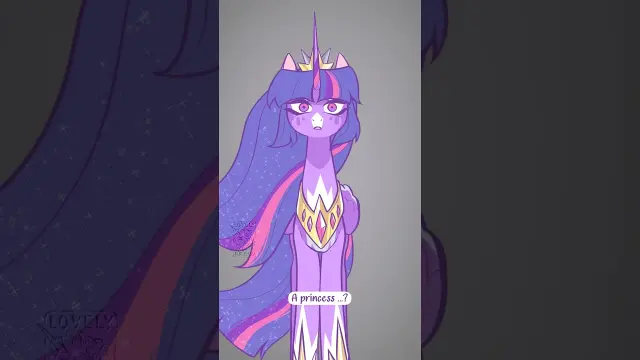 Redrawing My First Ever Animation One Year Later
Get new #Fan Animation ideas by email
Every Thursday: the week's best ideas, with the newest from #Fan Animation.
Related tags
Fan Animation: A Friendly Beginner's Guide
Fan animation is animation made by admirers of a work rather than by the people who created it. You borrow characters, worlds, scenes or moods you already love and set them in motion yourself, as a tribute rather than a product. It lives somewhere between illustration and filmmaking: drawing, timing, sound and a bit of storytelling, often put together by one person at a kitchen table.
What sets it apart from fan art is time. A single picture shows a moment; an animation has to carry that moment forward, which means thinking about frames, rhythm and weight — how a character breathes, turns, lands.
Where it comes from
The tradition is older than the internet. Hand-drawn flipbooks, school-margin doodles and homemade cartoons have always existed, made by people who simply wanted to see a favourite character move. When small personal websites and video sharing arrived, those private experiments found an audience, and fans began learning from each other: timing tricks, line quality, how to fake a crowd with a few repeated drawings. Cartoon and anime fandom built a particularly strong culture of watching animation for its craft — pausing, replaying, studying a single cut.
Read more
The main kinds
- Music-driven pieces, where an original animation is timed to a song.
- Redraws and parodies, where an existing scene is reanimated in your own style or twisted for comedy.
- Animatics and storyboards, rough sequences for scenes that were never animated.
- Loops and short atmospheric clips, often just a few seconds long.
- Sprite and game-style animation, moving flat characters the way a game would.
- Three-dimensional and stop-motion work, using models, figures or clay.
Techniques worth knowing
Most fan animation is either drawn frame by frame or built from separated parts that are moved and reused. Both are legitimate; the choice depends on what you want to show and how much time you have. Frame-by-frame gives you flexibility and expressive movement. Cut-out and rigged animation is faster and suits dialogue-heavy scenes.
Underneath either approach sit the classic principles: timing and spacing, squash and stretch, anticipation, strong silhouettes, and the line of action that makes a pose read instantly.
If you are just starting
Keep it short. A finished four-second loop teaches you more than an abandoned epic, and finishing is the skill that carries over to everything else. Begin with small exercises: a bouncing ball, a blink, a head turn, a character settling into a chair.
Work rough first. Thumbnail the key poses, then block out timing, then clean up the drawings that survive. Film yourself acting out the movement when you are unsure — reference beats guessing. Learn a handful of shortcuts in whatever software you use instead of trying to master all of it.
Finally, be a good neighbour in the community. Credit the original creators, mark spoilers, follow the wishes of the artists whose work you are drawing from, and remember that someone else's characters are a borrowed home, not your own. Take breaks, stretch your hands, and let the work be slow.
#Fan Animation: frequently asked questions
How do I start making fan animation if I've never animated before?
Pick one very short moment from a work you love and animate only that — a blink, a turn, a character dropping into a chair. Finish it rather than planning something long, because the habit of completing small pieces is what carries over to bigger ones. Rough out the key poses first, then worry about clean drawings and sound.
What do I actually need to begin — special equipment or expensive software?
You need a way to draw, a way to capture or assemble frames, and patience; a pencil and paper photographed in sequence works as well as a drawing program. Free and modest tools are perfectly capable of producing a finished short, so learn a few shortcuts in whichever one you choose instead of trying to master all of it. Filming yourself acting out the movement is a free and very effective reference.
Should I animate frame by frame or use cut-out and rigged characters?
Frame-by-frame drawing gives you the most expressive, flexible movement and suits action, effects and personality-driven moments. Separated parts that you move and reuse are faster and work well for dialogue-heavy or repeated scenes. Most people mix the two depending on what a particular shot needs.
What are the common mistakes beginners make?
Starting with an ambitious multi-minute project and abandoning it is the classic one. Another is cleaning up drawings before the timing works, which locks you into poses that don't read. Skipping reference — guessing at how a body moves instead of acting it out or watching real movement — leaves the animation floaty and weightless.
How should I credit the original creators and stay on good terms with the fandom?
Name the original work and its creators clearly wherever you post, and follow any stated wishes from artists about how their characters may be used. Mark spoilers, and treat someone else's characters as a borrowed home rather than your own. Asking permission and being generous with credit keeps the community welcoming.
How do I care for myself during a long animation project?
Take breaks and stretch your hands and wrists regularly, since the work is repetitive by nature. Let the project be slow and built from short, finishable pieces rather than one long grind. Resting your eyes away from the screen also helps you spot timing problems you'd stopped seeing.
Videos come from YouTube and posts from Instagram; titles and summaries are our own. All rights belong to their creators.