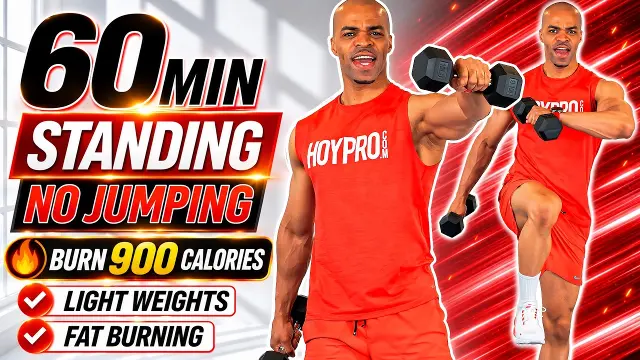
 One-Hour Standing Light Dumbbell Fat-Burning Workout
#Fat Burning
1 ideas
One-Hour Standing Light Dumbbell Fat-Burning Workout
Get new #Fat Burning ideas by email
Every Thursday: the week's best ideas, with the newest from #Fat Burning.
Related tags
Fat Burning: How Your Body Uses Stored Energy
Fat burning is the everyday name for something your body does constantly: drawing on fat stored in adipose tissue to fuel movement and the basic business of staying alive. Fat is simply energy kept in reserve, and your body releases it when demand outpaces what is readily available. Understanding that process takes a lot of the mystery out of it — and a lot of the marketing too.
What is actually happening
When you move, your muscles need energy. At rest and during gentle activity, a good share of that energy comes from fat; as effort climbs, carbohydrate takes on more of the work. This is why long, easy sessions and short, hard ones both have a place. The idea of a narrow "fat-burning zone" comes from this physiology, but it describes the proportion of fat used during a moment of exercise, not the total amount you lose over time. Total energy spent, sustained over weeks, matters far more than the fuel mix in any single session.
The main approaches
- Steady aerobic work: walking, cycling, swimming, jogging at a pace you could hold a conversation through. Gentle on the joints, easy to repeat, and the backbone of most routines.
- Interval training: alternating harder efforts with recovery. Efficient with time, but demanding, so it suits people already comfortable with exercise.
- Strength training: building and keeping muscle, which supports everyday capability and makes the body's energy use a little more generous. Weights, resistance bands or bodyweight all count.
- Everyday movement: standing, walking, carrying, chores. Often underestimated and quietly the largest slice of many people's activity.
If you are starting out
Choose something you do not dread, because the routine you keep beats the one that looks best on paper. Begin below what you think you can manage and add a little each week. Warm up briefly, cool down gently, and leave at least a day between hard sessions. Mixing a few kinds of movement protects you from boredom and from overuse.
Read more
Practical things that help
Sleep and rest are part of the programme, not a break from it. Eating enough protein and enough food generally supports the work you are asking your body to do; severe restriction tends to backfire and is not a sensible strategy. Drinking water, wearing shoes that fit, and being patient with a slow-moving number on the scale all matter more than any gadget. Progress is rarely linear, and bodies change in ways that scales do not capture — energy, sleep, strength and mood are worth watching too.
If you have a health condition, are pregnant, or are returning from injury, speak to a qualified professional before changing how you train. Otherwise, start where you are, keep it regular, and let time do the rest.
#Fat Burning: frequently asked questions
How do I get started with fat burning if I'm completely new to exercise?
Pick something you don't dread, since a routine you'll actually keep beats one that looks ideal on paper. Start below what you think you can handle and add a little each week, with a brief warm-up and an easy cool-down around each session. Mixing a couple of different kinds of movement keeps it interesting and reduces the strain on any one part of the body.
Do I have to stay in a special "fat-burning zone" to see results?
That zone describes the proportion of fat your body draws on during a moment of exercise, not the total amount you lose over time. Your body uses fat at rest and during gentle activity too, so long easy sessions and short harder ones both have a place. What adds up over weeks is the overall energy you spend, not the fuel mix in any single workout.
Which kind of exercise should I choose — steady cardio, intervals, or strength training?
Steady aerobic work like walking, cycling or swimming is gentle, repeatable, and a sensible backbone for most routines. Interval training is time-efficient but demanding, so it fits better once you're already comfortable exercising, while strength work with weights, bands or your own bodyweight helps you keep the muscle behind everyday capability. Everyday movement such as standing, walking and chores is easy to overlook but often makes up the largest share of what you actually do.
What should I do alongside exercise to support fat burning?
Sleep and rest are part of the programme rather than a break from it, so protect them. Eating enough food generally, including protein, supports the work you're asking your body to do — severe restriction tends to backfire. Water, well-fitting shoes and patience with a slow-moving scale matter more than any gadget.
What are the most common mistakes people make when trying to burn fat?
Choosing a routine that's too hard or too dull to sustain, then abandoning it, is the big one. Another is expecting the scale to move in a straight line — progress rarely does, and energy, sleep, strength and mood are worth watching too. Cutting food drastically instead of eating adequately is a further trap, and skipping rest days tends to catch up with you.
Should I check with someone before changing how I train?
If you have a health condition, are pregnant, or are coming back from an injury, speak to a qualified professional first rather than guessing. Otherwise, begin where you are, keep it regular, and let time do the rest.
Videos come from YouTube and posts from Instagram; titles and summaries are our own. All rights belong to their creators.