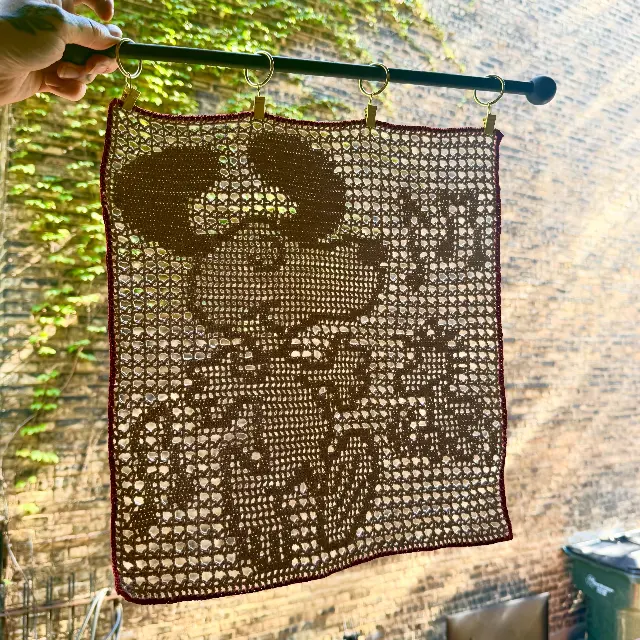
 Filet Friends Dancing in the Shadows
#Fiber Art
2 ideas
Filet Friends Dancing in the Shadows
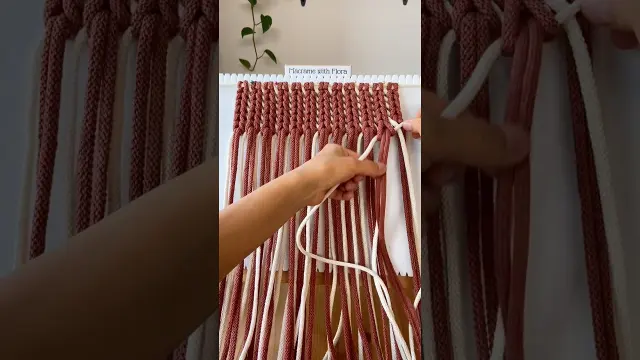 Dimensional Braid Macrame Pattern Overview
Get new #Fiber Art ideas by email
Every Thursday: the week's best ideas, with the newest from #Fiber Art.
Related tags
Fiber Art: Techniques, Styles, and Materials
Fiber art is a broad field of creative work made from natural or synthetic fibers and threads. It includes many traditional handcrafts, such as weaving, embroidery, knitting, crochet, macramé, rug making, felting, and tapestry. Some fiber art is practical, like clothing or home textiles. Other pieces are made mainly as wall art or sculpture. What connects them is the use of fiber as the main artistic material.
Where fiber art comes from
Fiber art has deep roots in everyday life. For centuries, people have spun thread, woven cloth, stitched garments, and made useful objects for warmth, shelter, and decoration. Over time, these skills became artistic forms in their own right. In many cultures, fiber techniques also carry tradition, identity, and storytelling. Today, fiber art can be both functional and expressive, often combining inherited methods with more experimental ideas.
Common kinds of fiber art
Read more
Fiber art covers many different techniques, and each one creates a distinct look.
- Weaving uses interlaced threads to form cloth or patterned surfaces.
- Embroidery adds stitched design to fabric.
- Knitting and crochet build fabric from loops of yarn.
- Macramé uses knots to create hanging pieces, belts, plant holders, and decorative forms.
- Felting compresses fibers into a dense surface or shape.
- Tapestry and textile wall art use thread, yarn, or fabric to create images, texture, and pattern.
- Mixed-media fiber art may combine fabric with paper, wire, beads, or found materials.
Each method has its own rhythm and structure, so you can choose one depending on whether you enjoy precision, pattern, texture, or freeform making.
What makes fiber art special
Unlike many flat art forms, fiber art often invites touch. It can be soft, layered, flexible, or sculptural. Texture plays a major role, and small changes in stitch, knot, weave, or fiber type can completely change the result. Fiber art is also versatile: it can be delicate or bold, traditional or abstract, practical or purely decorative.
Getting started
If you are new to fiber art, begin with one technique and keep the tools simple. A small project will teach you more than trying to master everything at once. Choose materials that are easy to handle, and practice basic stitches, knots, or weaves until they feel natural.
A few useful habits:
- Start with a manageable project, such as a sampler, pouch, wall hanging, or simple square.
- Learn how the material behaves before committing to a larger work.
- Keep your tension even when stitching, knotting, or weaving.
- Use good lighting so you can see the texture and structure clearly.
- Be patient with mistakes; many fiber techniques improve through repetition.
Tips for working well with fiber
Fiber art rewards careful handling. Store yarn, thread, and fabric in a dry place to keep them clean and usable. If you are combining different fibers, test how they look and feel together first, since some materials are smoother, thicker, or more delicate than others. When a project matters to you, make a small sample before starting the final piece. That can help you understand color, drape, and texture before you invest more time.
Fiber art is a wide and welcoming field. Whether you are drawn to stitching, knotting, weaving, or sculpting with thread, it offers a calm and tactile way to make something with your hands.
Videos come from YouTube and posts from Instagram; titles and summaries are our own. All rights belong to their creators.