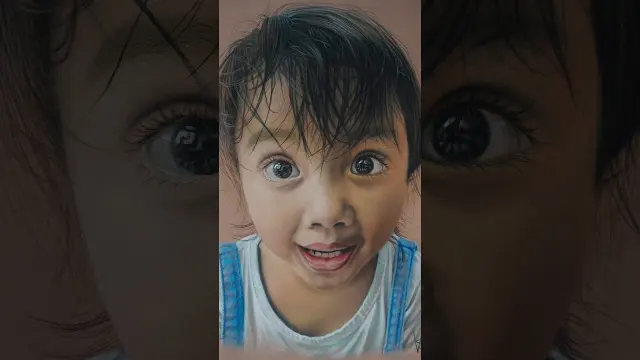
 Creating a Soft Pastel Portrait of a Young Child
#Fine Art
1 ideas
Creating a Soft Pastel Portrait of a Young Child
Get new #Fine Art ideas by email
Every Thursday: the week's best ideas, with the newest from #Fine Art.
Related tags
Fine Art: A Guide to Making and Understanding It
Fine art is the loose name we give to work made primarily to be experienced rather than used — painting, drawing, sculpture, printmaking, photography, and the many forms that sit between them. The phrase is less a strict category than a way of separating expression from function: a hand-thrown bowl is craft, a hand-thrown bowl made to be looked at rather than eaten from is usually called art. The line has always been blurry, and most artists treat it as a conversation rather than a rule.
Where the idea comes from
The term itself has roots in older European thinking that ranked the "liberal" arts — pursued for knowledge and pleasure — above the mechanical ones. For centuries, painters and sculptors worked within guilds alongside craftsmen, and it took a long argument, stretching across the Renaissance and after, for them to be seen as independent thinkers rather than skilled tradespeople. Academies later formalised the training, and the modern idea of the artist as an original, self-directed voice grew out of that. Understanding this history helps explain why fine art carries an air of seriousness — and why so much of the most interesting work in every era has been made by people pushing against it.
The main media
Read more
Drawing sits at the foundation of nearly everything: graphite, charcoal, ink, pastel, and paper that will take them. Painting divides into water-based media (watercolour, gouache, acrylic) and oil, each with its own drying behaviour and working rhythm. Printmaking covers relief, intaglio, lithography and screen processes, all built on transferring an image from a prepared surface. Sculpture works in clay, plaster, stone, wood, metal, and increasingly in assembled or found material. Photography and digital work round out the picture. Most artists move between several of these.
Styles and ways of looking
Styles are best understood as habits of seeing rather than fixed camps. Some work starts from close observation of the visible world; some abstracts it into shape, colour or gesture; some prioritises concept over object. When you look at a piece, useful questions are simple ones: where does your eye go first, what is the material doing, what was the artist choosing to leave out? Give a difficult work time rather than an immediate verdict.
Advice for beginners
- Choose one medium and stay with it long enough to learn how it behaves before adding another.
- Draw from life regularly. Even a few minutes with a real object teaches more than hours of copying.
- Study the fundamentals — value, proportion, edge, composition — because they transfer across every medium.
- Set up a dedicated space, however small, and keep materials ready so starting is easy.
- Copy the work you admire to learn technique, then make something of your own with what you found.
- Expect the middle of a piece to feel bad. Most work passes through an awkward stage; the skill is continuing through it.
- Show the work to others and ask what they see, not whether they like it.
Above all, keep a practice. Fine art rewards patience and repetition far more than flashes of inspiration, and the pleasure of it lies in the looking and making, not only the finished thing.
#Fine Art: frequently asked questions
How do I start with fine art if I have never made anything before?
Pick a single medium — pencil and paper is the easiest place to begin — and give it a few weeks of regular practice before trying anything else. Spend most of that time drawing from real objects rather than photographs, since observation teaches proportion, value and edge faster than copying images. Keep materials within reach so that starting a session takes no effort.
What do I actually need to begin, and how much space does it take?
Very little: something to mark with, something to mark on, and a steady light source will carry you a long way. A small corner you can leave set up matters more than a large studio, because work that has to be unpacked every time rarely gets made. Add tools as a medium demands them rather than buying a full kit up front.
Which medium or kind of fine art should I choose?
Let your temperament decide — watercolour and pastel reward quick decisions, oil and stone reward patience, printmaking and digital work attract people who like process and repeatability. Choose the one whose working rhythm you can tolerate on a dull day, not only the one whose results you admire. Trying a few for a single session each is a fair way to find out.
How should I look at a piece of art I do not understand?
Start with simple questions: where does your eye travel first, what is the material doing, and what did the artist leave out. Give the work time instead of forming a verdict in the first few seconds, since many pieces only open up once the initial confusion passes. Remember that styles are habits of seeing rather than rules, so difficulty is not the same as failure.
What are the common mistakes beginners make?
The most frequent one is jumping between media before any single one has been learned, which leaves the fundamentals shaky in all of them. Another is stopping when a piece enters its awkward middle stage, when most work looks worse than it will. Showing work and asking people what they see rather than whether they like it also saves a lot of discouragement.
How do I care for finished work so it lasts?
Keep drawings, pastels and prints out of direct sunlight and away from damp, and store them flat between sheets of acid-free paper rather than rolled or folded. Handle pieces by the edges, frame behind glazing where it suits the medium, and avoid hanging anything over a heat source. A dry, stable, shaded wall does most of the work.
Videos come from YouTube and posts from Instagram; titles and summaries are our own. All rights belong to their creators.