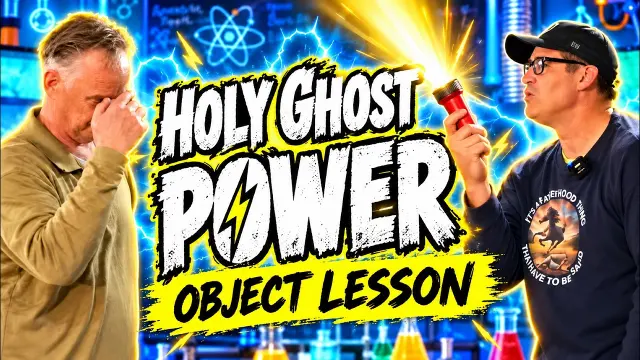
 Holy Ghost Power Flashlight Object Lesson
#Flashlight
1 ideas
Holy Ghost Power Flashlight Object Lesson
Get new #Flashlight ideas by email
Every Thursday: the week's best ideas, with the newest from #Flashlight.
Related tags
Flashlight Basics: Types, Uses and Care
A flashlight is a small, portable lamp that carries its own power: a bulb or LED inside a reflector, a switch, and a battery in a hand-sized case. It lives in a kitchen drawer, a car glovebox, a tent pocket or a child's bedside table, and it earns its place the moment the power goes out or a path runs out of daylight.
Where the name comes from
The word itself is a small piece of history. Early hand-held electric lights, appearing in the late nineteenth century, could only run in short bursts because the batteries of the day were weak — so people called them flashes of light, and the name stuck long after the technology caught up. What began as a novelty for city streets became an ordinary household tool once dry cells and sturdy casings made lights reliable.
The parts that matter
Read more
Every flashlight is a simple chain, and the weakest link decides how well it works:
- The light source, now almost always an LED, which is efficient and long-lived.
- The reflector and lens, which shape a narrow beam or a wide pool of light.
- The switch and any dimming or blinking modes.
- The battery and the contacts that carry its current.
- The housing and seals, which decide whether rain or a dropped bag ruins the evening.
The main kinds
Hand-held torches range from pocket lights the size of a thumb to heavy lanterns for a workshop. Headlamps leave both hands free for repairs, cooking or reading in a tent. Lanterns stand on a table and light a whole room softly rather than throwing a beam. Keyring lights are for finding a lock, and rechargeable models trade the ritual of changing batteries for a cable and a wall socket. Some are built to float, some are waterproof, some are meant to be shaken or cranked when there is no spare cell anywhere.
Choosing one
Think about the job before the specifications. A light you will actually carry beats a brighter one left at home. For walks and camping, a comfortable beam with a low setting matters more than maximum brightness, because a gentle light preserves night vision and battery life. For the house, a lantern plus a small hand-held light covers almost every outage. Check how the battery loads and whether spares are easy to find, and hold it in your hand if you can — weight and grip decide whether it feels like a tool or a nuisance.
Looking after it
Store flashlights with fresh batteries, or with the cells reversed or removed if the light will sit untouched for months, since old cells can leak and corrode the contacts. Wipe the contacts clean, keep the seals free of grit, and test each light twice a year — a habit worth pairing with changing the clocks. Keep button-cell lights out of reach of small children, as those cells are dangerous if swallowed.
With children
Flashlights make excellent play: shadow puppets on a bedroom wall, a torchlit garden walk, a treasure hunt after dark, or a simple object lesson about light and darkness for a family or Sunday-school gathering. Hand children a sturdy light, set a few ground rules about not shining it in eyes, and let them lead the way.
#Flashlight: frequently asked questions
How do I get started with a flashlight if I don't own one yet?
Start with a single small hand-held light that feels comfortable in your grip and is easy to switch on in the dark. Keep it somewhere you'll actually remember — a kitchen drawer or a car glovebox — and learn where the battery compartment opens before you need it in a hurry. Once that one light proves useful, you'll quickly notice which rooms or bags are still missing one.
What should I look for when choosing a flashlight?
Decide what job the light has to do before you look at how bright it claims to be. A comfortable beam with a gentle low setting is far more useful for walks, camping and middle-of-the-night moments than a blinding maximum, and a light you'll genuinely carry beats a stronger one left at home. Also check how the battery loads, whether spares are easy to find locally, and whether the housing and seals look like they'd survive rain or a drop.
Which kind of flashlight suits which situation?
A headlamp frees both hands for repairs, cooking or reading in a tent, while a lantern set on a table lights a whole room softly instead of throwing a beam. Pocket and keyring lights are for finding a lock or checking under a seat, and rechargeable models save you hunting for spare cells if you remember the cable. For a household outage, a lantern paired with one small hand-held light covers nearly everything.
How should I care for a flashlight so it works when I need it?
If a light will sit untouched for a long stretch, take the cells out or reverse them, since old batteries can leak and corrode the contacts. Wipe the contacts clean now and then, and keep grit out of the seals so the housing still closes properly. Test each light when the seasons change, and keep button-cell lights well out of reach of small children, as those cells are dangerous if swallowed.
What can I do with a flashlight beyond emergencies?
Flashlights are wonderful play: shadow puppets on a bedroom wall, a torchlit garden walk, a treasure hunt after dark, or a simple object lesson about light and darkness for a family or Sunday-school gathering. Hand a child a sturdy light, agree a few ground rules about not shining it into anyone's eyes, and let them lead the way.
What are the most common mistakes people make with flashlights?
The usual ones are buying for brightness instead of for the job, then leaving the heavy light at home, and storing a torch for months with tired cells inside that quietly leak. People also forget to check the seals until the first rainy evening, and they rely on a single light for the whole house. A modest light you trust, kept where you can find it and tested regularly, avoids all of that.
Videos come from YouTube and posts from Instagram; titles and summaries are our own. All rights belong to their creators.