 Ping Pong Ball Holiness Object Lesson
#Sunday School
8 ideas
Ping Pong Ball Holiness Object Lesson
 Strong Foundation Building Object Lesson
 Peel and Sink Orange Holiness Object Lesson
 The One Thankful Leper Cup Object Lesson
 Holy Ghost Power Flashlight Object Lesson
 The Christian Armor Sunday School Object Lesson
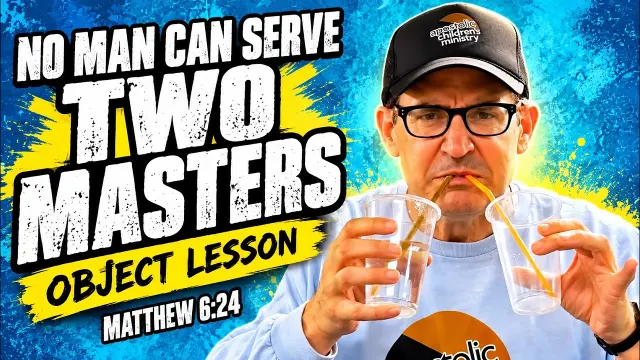 Serving Two Masters Straw Object Lesson
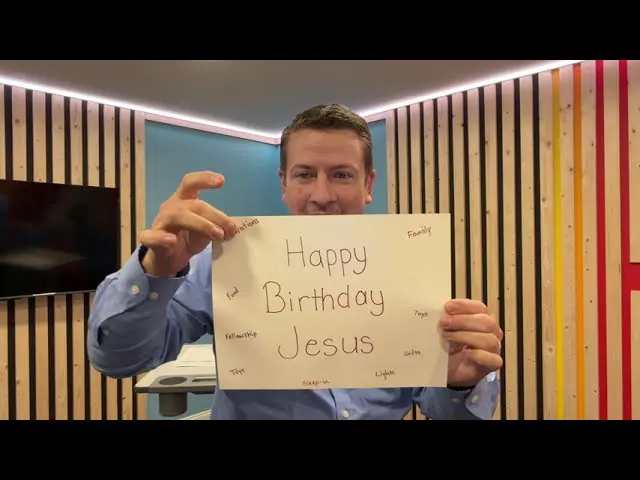 Christmas Distractions Sunday School Object Lesson
Get new #Sunday School ideas by email
Every Thursday: the week's best ideas, with the newest from #Sunday School.
Related tags
Sunday School: A Guide for Teachers and Families
Sunday school is the hour — or the half hour — when a church sets aside time to teach. Children gather in small groups, usually before or after the main service, to hear Bible stories, learn songs and memory verses, ask questions, and be told in plain language that they belong. Some churches run classes from nursery age through the teenage years, and many also hold an adult class at the same time, so that parents can study while their children do.
The movement began simply enough: as an effort to teach reading and Scripture to children who had little or no schooling. Over time that mission narrowed toward what it is today — a place where faith is handed on deliberately, week by week, by ordinary volunteers.
What happens in a class
A good session has a shape to it, and children relax when they can predict it. Typically it looks like this: a welcome and a few minutes of singing, the Bible story, an activity that lets the story settle, and a short prayer or closing thought. The teaching itself may take many forms:
Read more
- Storytelling, told rather than read, with plenty of eye contact and detail.
- Object lessons, using an everyday item to make an abstract idea concrete.
- Crafts and colouring, which give small hands something to do while they listen.
- Drama, puppets or role-play for older groups.
- Games and quizzes to fix a verse or a sequence in memory.
An object lesson is worth understanding if you teach. A single household object — a torch, an orange, a straw, a cup — becomes a picture of one spiritual idea, and children remember the picture long after they forget the explanation. The rule is one object, one point. If you find yourself explaining three ideas with the same carrot, choose one.
Getting started as a teacher
Begin with the age group rather than the material. A four-year-old and a ten-year-old need completely different sentences, and the same story will not land the same way in both rooms.
Keep segments short, and build a routine you repeat each week. Prepare more than you think you need, then be willing to drop half of it if the children are engaged with one part. Prepare your own heart too: read the passage during the week, not in the corridor.
Ask questions that have room in them — "what do you think he felt?" works better than "was he sad?" — and let silence sit for a moment. Children need time to think, and the quiet ones often have the best answers.
Practical habits that help
- Arrive early and greet each child by name.
- Keep a register and know who collects whom; safety comes before content.
- Recruit a helper, even for a small class.
- Agree on simple, calm boundaries at the start of the year rather than correcting constantly.
- Tell parents what you covered, so the conversation can continue at home.
Ask your child on the way home what the story was about, and let them teach you. That is often where the lesson finally takes root.
#Sunday School: frequently asked questions
How do I start a Sunday School class if I’m new to teaching?
Start by choosing an age group first, because younger children and older children need very different language and pacing. Then plan a simple routine you can repeat each time, such as welcome, song, Bible story, activity, and closing prayer.
What should a good Sunday School lesson include?
A strong lesson usually gives children something to hear, something to do, and something to remember. Storytelling, crafts, games, and object lessons can all help the main Bible idea stick in a clear and practical way.
Which type of Sunday School activity works best for children?
The best choice depends on the age group and the goal of the lesson. Younger children often respond well to songs, simple stories, colouring, and hands-on object lessons, while older children may enjoy drama, role-play, and quizzes.
How can I keep children engaged during Sunday School?
Keep the segments short, use questions that invite thought, and leave room for silence so children can respond in their own time. It also helps to use one clear object lesson or illustration instead of trying to teach too many ideas at once.
What are some good Sunday School ideas for special occasions or themed lessons?
Seasonal or themed lessons work well when they connect one clear Bible truth to a memorable image or activity. For example, a light source can point to guidance, a strong base can illustrate faith, and simple everyday objects can help explain holiness or distraction in a way children remember.
What common mistakes should I avoid when teaching Sunday School?
A common mistake is trying to cover too much at once, which can leave children confused or restless. It also helps to avoid correcting constantly during class, and instead set calm expectations ahead of time while preparing enough material for the children’s age and attention span.
Videos come from YouTube and posts from Instagram; titles and summaries are our own. All rights belong to their creators.