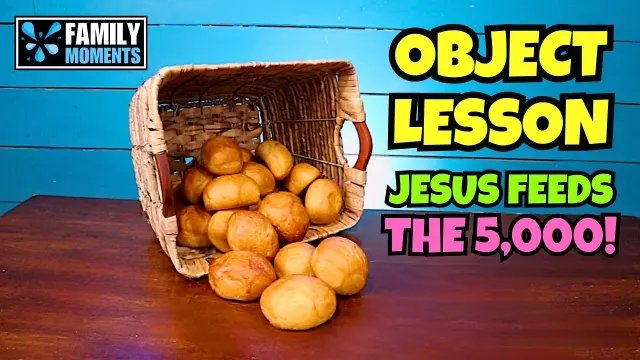
 Feeding the 5000 Dinner Roll Object Lesson
#Bible Story
3 ideas
Feeding the 5000 Dinner Roll Object Lesson
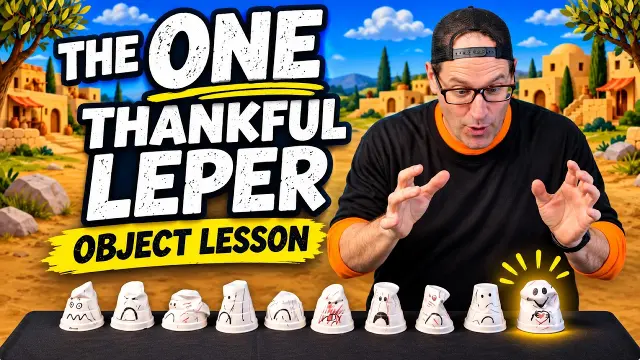 The One Thankful Leper Cup Object Lesson
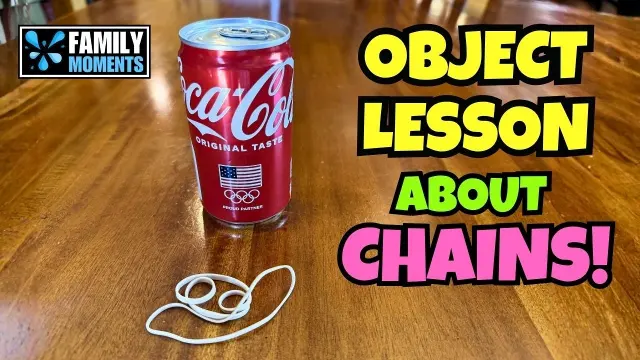 Breaking Free Rubber Band and Coke Can Lesson
Get new #Bible Story ideas by email
Every Thursday: the week's best ideas, with the newest from #Bible Story.
Related tags
Bible Stories: How to Tell Them So They Stay
A Bible story is a narrative drawn from the Bible and retold as a story — sometimes close to the original wording, more often shaped for the ear. The shaping is the whole point. Long before these accounts were commonly read in silence, they were heard aloud, held in memory, and passed from parents to children and from teachers to small circles of listeners. Storytelling is how they travelled, and it is still how they last.
Where the stories come from
The stories most people meet first come from the Old Testament: creation, Noah and the ark, Joseph and his coat, Moses in the basket, David and Goliath, Ruth, Esther, Jonah. From the Gospels come the events of Jesus's life — the Nativity, the baptism, the calling of the disciples, the Last Supper, the empty tomb — together with the parables he taught in. The book of Acts carries the early church's remembered stories of courage and travel. Different traditions hold and interpret these texts differently, and any retelling is already an interpretation, so it helps to be honest about whose version you are hearing.
The main kinds you will meet
Read more
- Narrative accounts — one scene, or a whole life, told in sequence.
- Parables — short comparisons that usually turn at the end and ask something of the listener.
- Miracle stories — a need, an action, a result, told with striking economy.
- Poetry and prayer, which can be told as story with a little care for rhythm.
- Object lessons and craft retellings, where a cup, a rubber band or a shared loaf gives a group something to hold while they listen.
If you are just starting
Read the passage aloud before you retell it, in a plain translation, and write down the order of events. Most stories fall apart not at the meaning but at the sequence — a teller loses the thread and the listeners lose the thread with them. Note the details that carry weight and let go of the ones that only decorate.
Keep one point. A story that tries to teach five things teaches none of them, and children in particular remember the shape of a tale long after they forget the application.
Know your ending before you begin. Decide whether you will stop on the image itself or add a sentence of reflection, and resist adding both.
Give the listeners a job somewhere — a repeated phrase to say, a sound to make, a question to answer as you go. Participation is not decoration; it is how a story becomes someone's own.
Telling it well over time
Tell the same stories more than once. Repetition is not laziness, it is how memory forms, and a familiar story lets a listener notice something new. Vary the setting rather than the story: a candle, a walk, a table, a drawing done while you talk.
Finally, let the story be a story. Explain less, look at your listeners more, and trust the silence after the last line.
#Bible Story: frequently asked questions
How do I start telling a Bible story for the first time?
Begin by reading the passage aloud in a simple translation and writing down the order of events. Then choose one main idea, keep the retelling clear, and decide in advance how you want it to end.
What kind of Bible story should I choose for children or a small group?
Choose a story that fits the moment and the age of your listeners. Short parables, familiar narrative accounts, and object lessons work especially well because they are easy to follow and remember.
What do I need to prepare for a Bible story lesson or retelling?
You mainly need the passage, a clear sequence of events, and one point you want the listeners to take away. It also helps to include a simple response, such as a repeated phrase, a question, or an object they can hold while they listen.
What are some good Bible story ideas for a craft, family time, or special occasion?
Object lessons can make Bible stories memorable for home, church, or group settings. Ideas like a thankful leper cup, a rubber band illustration, or a dinner roll feeding story give people something visible to connect with the message.
What common mistakes should I avoid when telling a Bible story?
A common mistake is trying to teach too many lessons at once, which can blur the story’s meaning. It also helps to avoid overexplaining, losing the sequence, or adding both a long reflection and a separate ending when one is enough.
Videos come from YouTube and posts from Instagram; titles and summaries are our own. All rights belong to their creators.