 Feeding the 5000 Dinner Roll Object Lesson
#Family Devotional
7 ideas
Feeding the 5000 Dinner Roll Object Lesson
 A Quick Rubber Band Trick Illustrating Life Changes
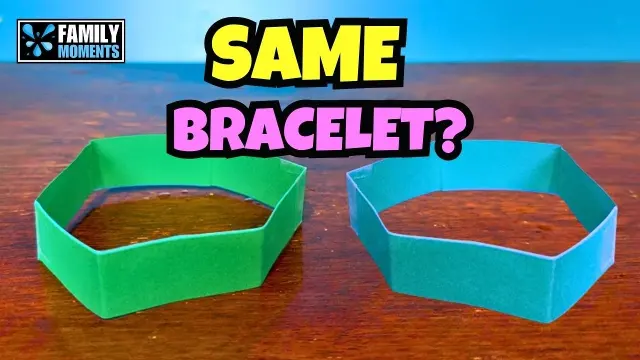 Color Changing Bracelet Object Lesson on Perspective
 Ice Cream Object Lesson on Choosing Good Friends
 Orange and Water Experiment on Perseverance
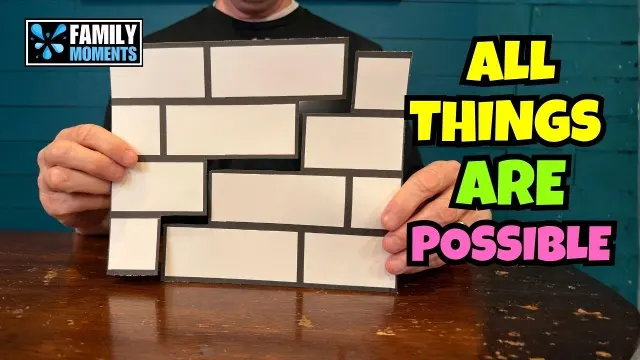 Paper and Marker Object Lesson on Faith
 Teaching Friendship and Teamwork with Popsicle Sticks
Get new #Family Devotional ideas by email
Every Thursday: the week's best ideas, with the newest from #Family Devotional.
Related tags
Family Devotional: A Simple Guide to Worship at Home
A family devotional is a short, repeated time a household sets aside to read, reflect and pray together. It is less a single activity than a habit: a few minutes, a fixed moment, everyone in the same room. Many faith traditions keep some form of it — household worship, a family altar, a shared reading at the table — and the shape is usually the same, whatever the language or country: someone opens a text, someone asks a question, and the family talks, then prays.
What distinguishes it from ordinary conversation is intention. A devotional has a beginning and an end, a chosen passage or theme, and a small amount of structure. It is not a sermon delivered to children, and it is not a lesson to be passed or failed.
The usual shape
Most family devotionals move through four movements, and any of them can be brief.
Read more
- Gathering: a candle, a song, a moment of quiet, or simply everyone sitting down.
- Reading: a short passage, a story, a psalm or a proverb, read aloud.
- Response: one good question, answered by everyone, parents included.
- Prayer: spoken simply, often by several people in turn.
Common approaches
Guidebooks offer a printed reading for each day, often with a question and a prayer already written. Story-based devotionals retell a narrative and draw a theme from it. Object lessons use something visible — a rubber band, a glass of water, a paper chain — to make an abstract idea concrete, which is why they suit younger children so well. Seasonal patterns, such as a weekly candle in the weeks before Christmas or a reflective walk through Lent, give the year a rhythm. Liturgical families may pray set prayers at set hours instead of reading freely.
What beginners should know
Start far smaller than you think. Five or ten minutes is a real devotional; twenty is a project that will quietly stop happening. Choose a time that already exists in your week — after dinner, before bed — rather than inventing a new slot. Read from something you can hold, not from a screen you have to scroll.
Let children participate early: they can hold the book, choose the song, blow out the candle, or ask the question. Answer honestly when you do not know something; "I am not sure, let us think about it together" teaches more than a confident invention.
Expect variation. Some evenings will be distracted and flat. That is normal and does not mean the practice has failed. Keep the habit gentle and repeatable, and let it grow slowly as the household grows.
#Family Devotional: frequently asked questions
How do I start a family devotional if we have never done one before?
Begin with a short, simple routine that fits an existing part of your day, such as after dinner or before bed. Read a brief passage, ask one open question, and finish with a short prayer so the habit feels manageable and repeatable.
What do I need for a family devotional?
You only need a shared text or theme, a few quiet minutes, and a place where everyone can sit together. Some families also like a candle, a song, or a simple object to help younger children focus on the idea.
Which type of family devotional should we choose?
Choose the style that best fits your family’s age and rhythm. A story-based devotional works well for discussion, while an object lesson can make a big idea easier for children to understand, and a seasonal or set-prayer approach can help families who like structure.
How can I keep family devotions interesting for children?
Give children something real to do, such as holding the book, choosing a song, lighting or blowing out a candle, or answering the question first. Simple hands-on ideas, like using a visible object to explain a theme, often keep attention better than a long explanation.
What are common mistakes to avoid with family devotions?
The biggest mistake is making it too long or too complicated, which can turn it into something people dread. It also helps not to treat it like a test; if the conversation wanders or someone does not know an answer, keep it gentle and honest and try again next time.
Videos come from YouTube and posts from Instagram; titles and summaries are our own. All rights belong to their creators.