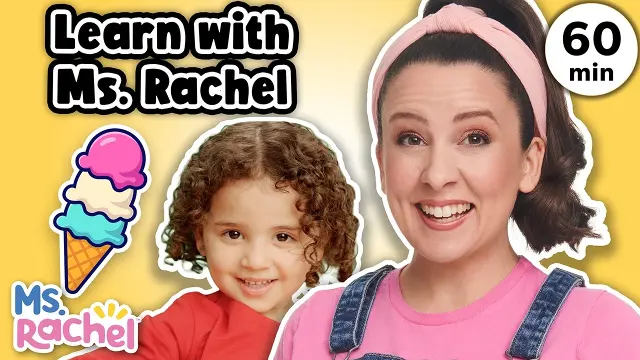
 Learn Friendship and Social Skills with Ms Rachel
#Friendship
2 ideas
Learn Friendship and Social Skills with Ms Rachel
 Your Zodiac Sign Best Friends and Ultimate Soulmates
Get new #Friendship ideas by email
Every Thursday: the week's best ideas, with the newest from #Friendship.
Related tags
Friendship Meaning, Types, and How to Nurture It
What friendship is
Friendship is one of the most familiar human relationships: a voluntary bond between people based on trust, care, shared experiences, and mutual respect. Unlike family ties, friendship is usually chosen. That freedom is part of what makes it so meaningful. A good friend can be a companion, a confidant, a source of laughter, and a steady presence in everyday life.
Friendship has existed in every culture and age, although the way people form it can vary. Some friendships begin in childhood and grow slowly over time. Others start through work, school, hobbies, neighbors, or online communities. What matters is not how a friendship begins, but whether it offers kindness, honesty, and balance.
Different kinds of friendship
Read more
Friendships do not all look the same. Some are light and social, built around shared activities and pleasant company. Others are deep and private, with room for vulnerability and long conversations. Many people also have situational friendships, such as those connected to a workplace, a class, or a shared stage of life.
You may find that some friends are good for fun and energy, while others are better for advice or emotional support. Both kinds can matter. A healthy social life often includes a mix of close friends, casual friends, and acquaintances.
What makes a friendship strong
Strong friendships usually grow from a few simple qualities:
- Mutual effort, where both people make time and show interest
- Trust, so that feelings and personal matters are handled with care
- Respect, including respect for differences, boundaries, and private space
- Honesty, even when it is gentle and considerate
- Reliability, so promises and plans are taken seriously
- Kindness, especially during difficult periods
A friendship does not need to be perfect to be real. Good friends may disagree, drift, or go through silent periods. What matters is whether both people are willing to repair misunderstandings and keep treating each other well.
How to build friendship
If you want to make friends, start with small, repeated contact. Shared routines often help friendships develop naturally. You can join groups, take part in activities you enjoy, or simply make a habit of being open and approachable. Curiosity helps too: ask questions, listen carefully, and remember small details.
It is also useful to be realistic. Not every pleasant connection will become a close friendship, and that is normal. Some people will remain casual friends, while a few may become especially important over time. Let relationships grow at their own pace.
How to care for friendship
Keeping a friendship strong usually means giving it regular attention. Check in, make plans, and show appreciation. If a problem comes up, speak calmly and directly rather than letting resentment build. Try to be a good listener, but also be honest about your own needs.
Healthy friendship also includes boundaries. It is okay to need space, to say no, or to have different levels of closeness with different people. Respecting those limits helps friendships stay comfortable and lasting.
A simple idea to remember
Friendship is less about perfection and more about presence. The best friendships are often the ones that feel safe, steady, and genuine over time. If you nurture trust, kindness, and honesty, your friendships have a strong chance of lasting.
Videos come from YouTube and posts from Instagram; titles and summaries are our own. All rights belong to their creators.