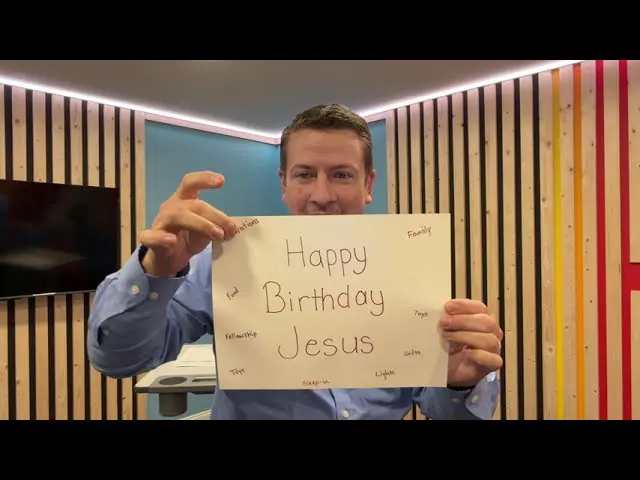
 Christmas Distractions Sunday School Object Lesson
#Holiday Lesson
1 ideas
Christmas Distractions Sunday School Object Lesson
Get new #Holiday Lesson ideas by email
Every Thursday: the week's best ideas, with the newest from #Holiday Lesson.
Related tags
Holiday Lessons: Teaching Through Celebration
A holiday lesson is a short, focused piece of teaching built around a celebration. Rather than treating a festival as a break from learning, it borrows the images, foods, songs and customs of the season and uses them to carry an idea that outlasts the day. It is most common in religious education, where Christmas, Easter, harvest and similar occasions already hold a story worth telling, but the same approach works in any setting where adults want to hand something on to children: a family gathering, a community group, a classroom looking at how different cultures mark the year.
Where it comes from
Teaching through celebration is old. Long before printed lessons existed, households and places of worship passed on what mattered through rituals children could see, touch and repeat. A shared meal, a candle, a song sung only once a year, a story retold at the same point each winter: these did the work a lecture could not, because they arrived wrapped in anticipation and belonging. A holiday lesson simply makes that teaching deliberate, giving the custom a shape, a length and a point.
Kinds of holiday lesson
Read more
- Object lessons, built on a single everyday thing that quietly stands for a larger idea.
- Story lessons, in which the account behind the festival is told aloud and then unpacked.
- Craft and making sessions, where the finished item carries a meaning the maker can explain.
- Service lessons, turning the generosity of the season into something done for other people.
- Food lessons, using a customary dish to open up memory, hospitality or gratitude.
Working with one object
The most reliable example is the object lesson: a simple prop — a candle, a seed, a wrapped parcel, a bowl of water — placed where everyone can see it, then connected piece by piece to the idea you want to leave behind. It works because attention is fixed on one thing, and because children remember what they handled. The prop should be genuinely familiar, the link should be simple enough to say in one sentence, and the explanation should not stretch the comparison further than it can honestly go. If you want to catch a restless group's attention first, a brief noisy or busy opening can serve, as long as it is set aside once the object appears and full attention returns to the one thing in front of them.
What beginners should know
Decide first on the single idea you want remembered, then choose the custom that carries it. Keep the whole lesson short — a few minutes of teaching around the object or story is usually enough, and children will take away more from a clear small thing than from a crowded one. Practise aloud; timing that feels slow to you often feels right to a listening group. Ask questions rather than only making statements, and leave room for the answers you did not expect. Finally, resist the pull to explain everything. The custom itself, repeated year after year, will do part of the teaching that a single afternoon cannot.
#Holiday Lesson: frequently asked questions
How do I get started with a holiday lesson?
Start by deciding on the single idea you want the group to remember afterwards, then pick the seasonal custom or image that naturally carries it. Keep the teaching itself short and rehearse it out loud, since pacing that feels slow to you usually feels right to a listening group. Ask questions along the way rather than only making statements, and leave space for answers you did not anticipate.
What do I actually need to prepare for one?
Very little: something familiar people can see or handle, whether that is a candle, a seed, a wrapped parcel, a shared dish or the story behind the festival. The link between the prop and the idea should be simple enough to state in a sentence and honest enough not to strain the comparison. Practising aloud is the preparation that matters most.
Which kind of holiday lesson suits my group best?
Match the form to the occasion rather than picking a favourite style. Object lessons work well when you need to settle a restless group's attention, story lessons suit festivals with a strong narrative, and craft, food or service sessions fit when you want the meaning carried in something made, shared or given. A classroom exploring how different cultures mark the year can use any of these.
How do I make a holiday lesson stick beyond the day itself?
Repeat the custom at the same point each year so the ritual does some of the teaching an afternoon cannot. Resist the urge to explain every part of it, because the anticipation and familiarity built up over time carry meaning that a talk will not. Let the group revisit the object or story and notice what they now understand differently.
What mistakes should I avoid?
The common slips are cramming too much in, stretching a comparison past what it can honestly bear, and over-explaining until the custom loses its atmosphere. Another is letting a lively or distracting opening run on after the object or story has appeared. Keep the focus fixed on the thing in front of the group and stop while attention is still with you.
Can holiday lessons work outside religious education?
Yes. The same approach fits a family gathering, a community group or a classroom looking at how different cultures mark the year, because the method rests on celebration and belonging rather than on any particular tradition. You are simply making deliberate what households have always done by passing on what matters through things children can see, touch and repeat.
Videos come from YouTube and posts from Instagram; titles and summaries are our own. All rights belong to their creators.