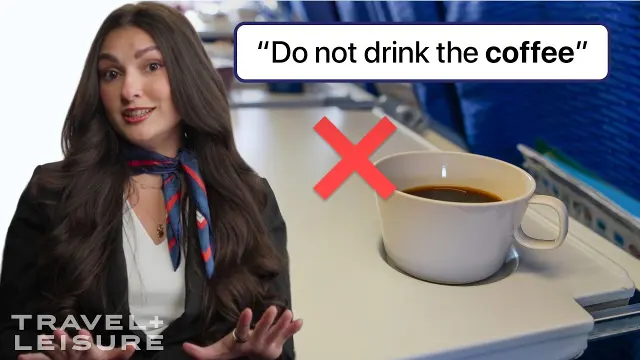
 Flight Attendants Share Insider Secrets and Travel Hacks
#Flight Attendant
1 ideas
Flight Attendants Share Insider Secrets and Travel Hacks
Get new #Flight Attendant ideas by email
Every Thursday: the week's best ideas, with the newest from #Flight Attendant.
Related tags
Flight Attendant: Life and Work at 35,000 Feet
A flight attendant is the crew member responsible for safety and comfort in an aircraft cabin. The title sounds glamorous, and there is glamour in it, but the role rests on something far more serious: knowing exactly what to do when a perfectly ordinary flight stops being ordinary.
From sky nurses to cabin crew
The profession grew out of early passenger aviation, when airlines hired nurses to reassure travellers nervous about flying in unpressurised aircraft. Over the decades the job shifted from serving meals in a hat and gloves to a formally trained safety role, with service as the visible layer on top. The uniform changed with the times; the core responsibility never did.
What the job actually involves
Read more
Before a single passenger boards, the crew has already checked emergency equipment, briefed each other on the flight, and divided responsibilities. On board, the work divides into two strands:
- Safety: cabin checks, securing the aircraft for takeoff and landing, briefing passengers on exits, managing medical situations and, in rare cases, evacuations.
- Service: meals, drinks, duty-free, helping with children, calming anxious flyers, solving small problems continuously for hours.
- The unglamorous parts: fatigue, time away from home, jet lag, tight turnarounds, and the emotional labour of staying pleasant through delays that are not your fault.
Training and the path in
Airlines run their own training courses, typically several weeks long, covering aircraft types, emergency procedures, first aid, firefighting, decompression, evacuation drills and customer care. Candidates usually need a good standard of education, fluent English, a clean record, swimming ability and the legal right to work where the airline is based. Height and reach requirements exist mainly because crew must access overhead equipment. Beyond that, airlines look for composure, teamwork and the kind of warmth that does not run out on the fourth flight of the day.
Career shape
Cabin crew often start as junior crew and progress to senior positions, purser or cabin manager roles, or move into training, recruitment or ground roles. Some fly for a season; others make it a decades-long career. Language skills open doors to international routes; additional languages are consistently valued.
If you are the passenger
Small kindnesses go a long way. Follow the safety briefing even if you have heard it a hundred times, keep the aisle clear, wear your seatbelt while seated, and ask rather than wander. Crew see hundreds of people a day and remember the ones who treat them as people.
And if you are considering the career, try a short trip first: the job rewards those who genuinely like the rhythm of airports, strangers and unpacking a suitcase in a different city. It asks for patience, strong nerves and a good pair of shoes.
#Flight Attendant: frequently asked questions
How do I start a career as a flight attendant?
Begin by checking what the airlines based near you ask for, since they run their own training and hire directly rather than through a single central route. Before applying, build the practical basics: strong spoken English, comfort in water, and a clean record. Then apply broadly and expect to repeat the process, as hiring is competitive and many people are called back on later rounds.
What do I actually need to qualify?
Airlines generally look for a solid standard of education, fluent English, swimming ability and the legal right to work in the country where they are based. Height and reach requirements exist because crew must be able to get to overhead equipment, not as a beauty standard. Just as important are the softer qualities: staying calm, working as part of a team, and warmth that holds up on a long day of flights.
Which kind of flying should I aim for?
Short-haul flying means many takeoffs and landings in a day and often gets you home more regularly, while long-haul routes bring bigger aircraft, longer layovers and more time away. Neither is better — they suit different temperaments, so think honestly about whether you thrive on constant motion or on long, quiet stretches. Additional languages are consistently valued and open the door to international routes.
What does the training involve, and how should I prepare for it?
Airline courses cover aircraft types, emergency procedures, first aid, firefighting, decompression, evacuation drills and customer care, and the safety side is the part you are graded on hardest. Treat it like a demanding course rather than a formality: study the procedures, practise the drills and get fit enough to move quickly and confidently. The service skills you can polish on your own beforehand by working with the public in any capacity.
Is the job as glamorous as it looks?
There is real glamour in it, but the role rests on knowing what to do when an ordinary flight stops being ordinary, and much of the day is unglamorous. Fatigue, jet lag, tight turnarounds and staying pleasant through delays you did not cause are a steady part of the work. The people who thrive tend to be those who genuinely enjoy the rhythm of airports, strangers and unpacking in a different city.
What mistakes do people make when pursuing this career?
The most common is treating it as a travel perk rather than a safety job, which shows in how candidates talk about the role. Another is underestimating the lifestyle cost — time away from home and disrupted sleep are not occasional, and going in without accepting that leads to early burnout. A sensible move is to take a short trip first and see how the airport routine actually feels to you.
Videos come from YouTube and posts from Instagram; titles and summaries are our own. All rights belong to their creators.