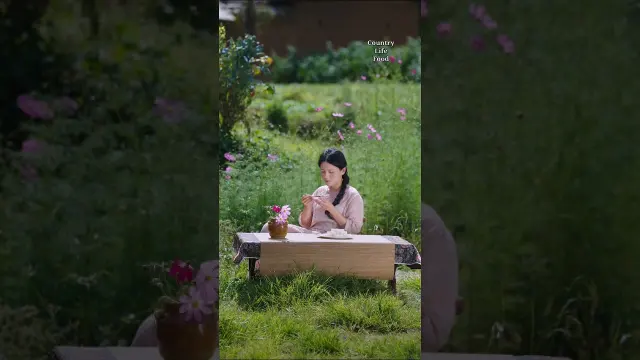
 Crafting an Ancient Ice Crystal Cake Recipe
#Food ASMR
2 ideas
Crafting an Ancient Ice Crystal Cake Recipe
 Jiggly Osmanthus Jelly Refreshing Chinese Sweet Dish
Get new #Food ASMR ideas by email
Every Thursday: the week's best ideas, with the newest from #Food ASMR.
Related tags
Food ASMR: the appeal of sound in cooking
What Food ASMR is
Food ASMR is content that focuses on the sounds of food being prepared, served, eaten, or enjoyed. ASMR stands for autonomous sensory meridian response, a tingling or deeply relaxing sensation some people feel when they hear certain gentle sounds. In food content, those sounds might include chopping, stirring, sizzling, crunching, pouring, peeling, chewing, or tapping.
The appeal of Food ASMR comes from its closeness and simplicity. It can feel soothing, immersive, and almost meditative, especially when the sounds are clear and the visuals are calm. For many people, it is less about the recipe itself and more about the sensory experience.
Where it comes from
Read more
Food ASMR grew from the wider ASMR community, which developed online around sound-based relaxation videos. As creators began filming cooking and eating, food naturally became one of the most popular subjects because it offers a rich range of textures and noises. A single ingredient can sound completely different depending on how it is handled, and that variety gives Food ASMR its charm.
Different cultures have long enjoyed the sensory side of food, from the crackle of fresh bread to the hiss of food on a hot pan. Food ASMR simply brings that everyday pleasure into a focused listening experience.
Common styles and sounds
Food ASMR can be filmed in many ways, depending on the feeling you want to create.
- Crisp, sharp sounds: crunchy vegetables, crackers, ice, or brittle sweets
- Soft, repetitive sounds: whisking, mixing, kneading, slicing, or pouring
- Cooking sounds: simmering, frying, bubbling, and sizzling
- Eating sounds: chewing, slurping, biting, and sipping
- Preparation sounds: peeling, rinsing, opening packets, or arranging ingredients
Some videos are very quiet and minimal, while others are more detailed and close-up. Visuals often matter too: neat hands, careful movements, and simple backgrounds can make the experience more relaxing.
Tips for enjoying or making Food ASMR
If you want to enjoy Food ASMR, try different styles to see what feels best. Some people prefer crunchy sounds, while others like softer kitchen noises. Headphones can make subtle sounds easier to hear, but they are not always necessary.
If you want to create Food ASMR, keep a few basics in mind:
- Use a quiet space if possible
- Keep movements slow and deliberate
- Choose foods with clear, interesting textures
- Record sound as cleanly as you can
- Avoid too much background noise, talking, or music if the sound is the focus
Food ASMR works best when it feels natural. You do not need elaborate techniques or special foods. Ordinary ingredients can be just as satisfying when they are handled with care.
A gentle way to experience food
Food ASMR is part cooking, part listening, and part atmosphere. It invites you to notice details that are easy to miss in everyday life: the snap of a crisp shell, the soft fold of dough, the fizz of a drink, or the quiet rhythm of preparing something by hand. Whether you are watching or making it, Food ASMR is really about slowing down and enjoying food with your ears as much as with your eyes.
Videos come from YouTube and posts from Instagram; titles and summaries are our own. All rights belong to their creators.