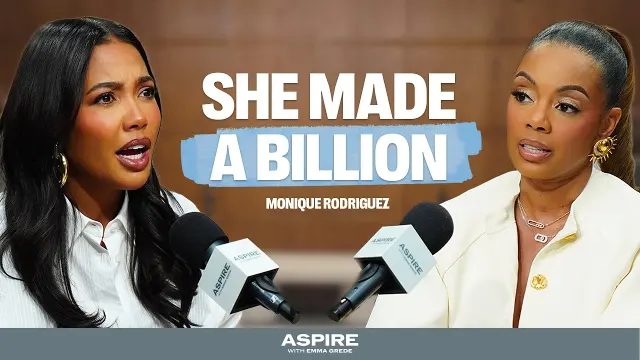
 How Monique Rodriguez Built Mielle Organics From Her Basement
#Founder Story
1 ideas
How Monique Rodriguez Built Mielle Organics From Her Basement
Get new #Founder Story ideas by email
Every Thursday: the week's best ideas, with the newest from #Founder Story.
Related tags
What a Founder Story Is and How to Tell Yours
A founder story is the account of how and why a business came to exist, told by the person who started it. It is not a company history or a marketing slogan but a narrative with a person at the centre: a problem noticed, a decision made, a first attempt that did or did not work. Founders share these stories in interviews, on their own websites, at events and in the quiet conversations that happen before a customer decides to trust them.
The form has deep roots. Craft workshops, family farms and small shops have always carried a lineage — the recipe passed down, the tools inherited, the trade learned from a parent. What changed is reach: a founder can now speak directly to the people who buy from them, without a publisher or a press office in between. That is why the genre has grown so wide, from a few sentences on a product page to long interviews about failure and recovery.
Founder stories tend to fall into a few shapes. The origin-problem story starts with a frustration the founder lived through personally. The craft story centres on skill, patience and materials. The second-act story begins after a career change, a move or a loss. The family story ties the business to people and place. Many combine several of these, and the strongest ones usually do.
What makes one worth reading is specificity. A vague story about passion says little; a concrete one names the moment things became clear, the objection someone raised, the first sale, the mistake that taught something. Honesty matters more than polish. Audiences are quick to sense a narrative smoothed into a marketing arc, and a story that admits difficulty is more convincing than one that does not.
Read more
If you are writing or preparing to tell your own, a few practical points help. Start in a scene rather than with a mission statement — a kitchen, a market stall, a conversation. Keep it short enough to hold attention and let one theme carry it. Say what you actually did, in your own words, and leave out borrowed language about disruption and scale. If other people helped, name their part. And be careful with claims about health, money or results: describe your experience rather than promising the same outcome to everyone.
A founder story is not a one-time document. It changes as the business does, and it can be told at different lengths for different listeners. Revisit it occasionally, check that it is still true, and let it grow the way the work has. Told plainly and well, it does something no advertisement can: it lets people decide whether they want to be part of what you are building.
#Founder Story: frequently asked questions
How do I start writing my founder story?
Begin with a single moment rather than a mission statement — the kitchen, market stall or conversation where the idea first took hold. From that scene, explain what problem you noticed and what you decided to do about it. Writing the opening this way gives readers a person to follow instead of a summary to skim.
What do I need before I tell my story publicly?
You need a clear sense of the one theme that carries the narrative, and the patience to say what you actually did in your own words. It also helps to check the facts of your own timeline and to think about anyone else involved, since their part deserves to be named. If you plan to describe health, money or results, frame it as your experience rather than a promise to others.
Which kind of founder story should I choose?
Look at what honestly explains why the business exists: a frustration you lived through, a craft you trained in, a change of direction, or a family and place you come from. Many founders combine several of these, and the strongest versions usually do. Pick the shape that fits your real reason rather than the one that sounds most impressive.
How do I keep a founder story from going stale?
Treat it as something that grows with the business rather than a document written once and filed away. Revisit it from time to time, check that it is still true, and adjust it as the work changes. The same story can also be told at different lengths for different listeners, from a few sentences to a longer interview.
What mistakes should I avoid?
The most common one is smoothing the narrative into a marketing arc, which audiences sense quickly. Vague talk about passion, borrowed language about disruption and scale, and leaving out the people who helped all weaken an otherwise good story. A story that admits difficulty and names specific moments is far more convincing than a polished one that does not.
Where does a founder story actually get told?
In interviews, on your own website, at events, and in the quieter conversations that happen before someone decides to trust you. Because a founder can now speak directly to the people who buy from them, the form ranges widely in length. The same account simply gets reshaped for each setting.
Videos come from YouTube and posts from Instagram; titles and summaries are our own. All rights belong to their creators.