 How Women in Business Can Present Themselves for Respect
#Women In Business
10 ideas
How Women in Business Can Present Themselves for Respect
 Why Relationship Building Wins in Business Negotiations
 Tailored Suits and Manners in a Woman's Work Wardrobe
 Five Small Business Ideas for Women Starting Out
 The Story Behind OMI Pilates: From Nursing to Studio Ownership
 Ten Business Grants Women Founders Can Apply For
 Women on the Businesses That Finally Made Them Wealthy
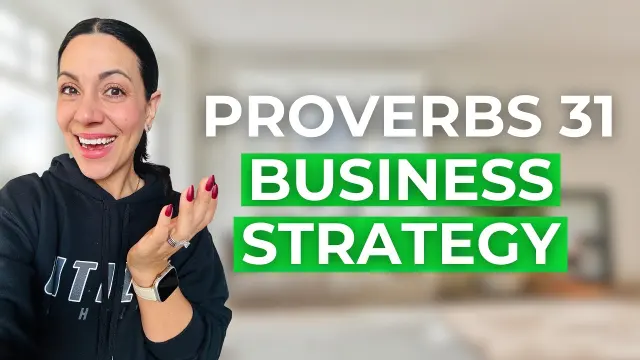 Five Business Lessons From the Proverbs 31 Woman
 Why a Tailored Suit Works for a Woman's Business Look
 How Monique Rodriguez Built Mielle Organics From Her Basement
Get new #Women In Business ideas by email
Every Thursday: the week's best ideas, with the newest from #Women In Business.
Related tags
Women in Business: A Guide to Building Your Own Path
Women in business is a broad label that covers a great deal: a freelancer setting her own hours, a shop owner on the high street, a founder building a product team, a woman running a family company into its second generation. The hashtag gathers all of it, and the reason it exists as a category at all is history. For a long time, women were shut out of formal commerce — barred from credit, from property, from professional guilds and from many trades — so the businesses they ran lived in the margins: home workshops, market stalls, hospitality, textile work, teaching. What we now celebrate as entrepreneurship was often simply the work women did without being able to call it a company. Knowing that history is useful, because it explains both why the field still feels uneven and why women have spent generations building networks, cooperatives and mutual support in its place.
The paths people take
There is no single route. Some businesses begin as a skill that others ask for and slowly become paid work. Some begin with a problem in your own life — a gap in childcare, in clothing sizes, in access to a service — that turns out to be shared by many. Some begin inside an organisation, as an intrapreneur who builds something new while still employed. Others begin with a purchase: a small business bought and then grown. All of these are legitimate starting points, and none is faster or more respectable than another.
Ways of working
Read more
Women in business is not a style, but certain approaches recur. Values-led businesses put ethics, sourcing or community at the centre rather than treating them as marketing. Cooperative and collective models share ownership. Solopreneurship keeps overheads low and flexibility high. Partnership brings complementary skills together and divides the load. Each has trade-offs: sole control is fast but isolating, partnership is shared but needs clear agreements, funding grows a company but asks for ownership in return.
What beginners should know
Start with clarity about what the business actually sells and who pays for it. Learn the basics of money — pricing so that cost, time and margin are all covered, keeping records from day one, knowing roughly what you need to earn each month. Understand the legal form available where you live and the tax and insurance obligations that come with it; this part is dull and it protects you. Write down agreements with partners, however friendly the relationship.
Practical habits help more than grand plans. Talk to people who already do what you are considering. Ask for advice directly — most people are generous with it. Find a small circle of peers who will be honest with you. Keep a space between your personal and business money. Protect your time and decide early which hours you are not willing to give away.
Growing without losing yourself
Growth is not obligatory. A business that stays small and profitable, and fits the life around it, is a success. If you do want to expand, do it in steps you can reverse, and bring in help — an accountant, a mentor, a team — before exhaustion makes the decision for you. What matters most is that the enterprise serves the life you actually want, rather than the other way around.
#Women In Business: frequently asked questions
How do I start a women-owned business if I only have a skill or hobby right now?
Start by turning the skill into a clear offer that solves a real need for someone else. Test it with a small group, ask for feedback, and let the business grow from what people actually ask for rather than from a perfect plan.
What do I need before launching a small business as a woman?
You need a clear idea of what you sell, who it is for, and how you will keep track of money from the beginning. It also helps to understand the basic rules where you live, keep business and personal finances separate, and put agreements in writing when you work with others.
Which type of business is best for women starting out?
The best model depends on your goals, time, and energy. A solo business can stay flexible and simple, while a partnership or collective can share the work; the right choice is the one that fits how you want to work and live.
What are common mistakes women make when starting a business?
A common mistake is underpricing and not accounting for the full cost of time, materials, and overhead. Another is skipping the unglamorous basics, like records, agreements, and boundaries around time, which can create stress later.
How can women in business build confidence and earn respect?
Present yourself clearly, speak about your work with confidence, and make it easy for others to understand the value you offer. Strong relationships also matter, because trust, good communication, and professional boundaries often open more doors than trying to prove yourself alone.
How can I grow my business without losing balance in my life?
Growth should support your life, not take it over. Expand in steps you can manage, bring in help before you are overwhelmed, and keep checking that the business still matches the kind of life you want.
Videos come from YouTube and posts from Instagram; titles and summaries are our own. All rights belong to their creators.