 How Women in Business Can Present Themselves for Respect
#Work Style
3 ideas
How Women in Business Can Present Themselves for Respect
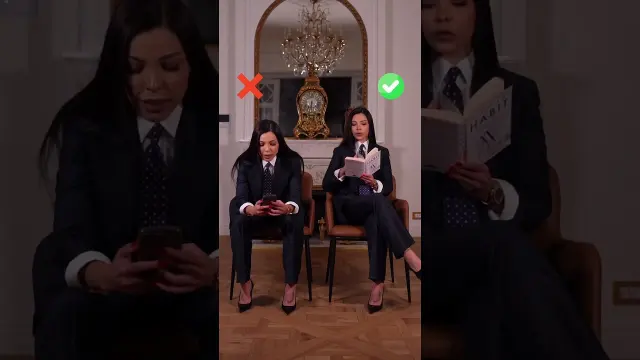 Tailored Suits and Manners in a Woman's Work Wardrobe
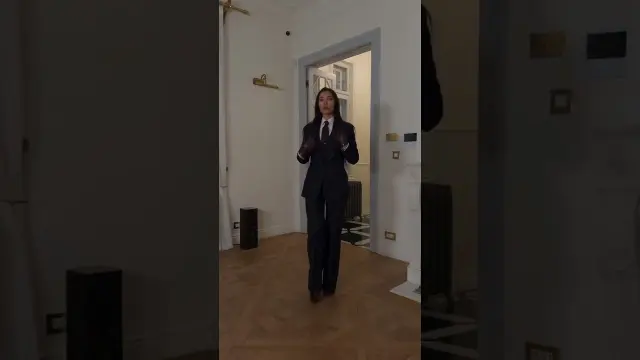 Why a Tailored Suit Works for a Woman's Business Look
Get new #Work Style ideas by email
Every Thursday: the week's best ideas, with the newest from #Work Style.
Related tags
Work Style: Dress With Intent for the Working Day
Work style is the practice of choosing what you wear for your job with the same care you give to the rest of your professional life. It sits somewhere between fashion and function: not a law, not a uniform, but a small daily decision about how you want to be read before you have said a word. Some people call it personal branding, others just call it getting dressed. The useful idea underneath is that clothing is one of the tools of a working day, alongside your voice and your work itself.
Where it comes from
For a long time, women entering offices designed around men had to invent their own codes, borrowing and reshaping the suit until it fit their lives. That history explains why office dress carries so much meaning and so many unwritten rules. Most of those rules have loosened considerably, and workplaces have grown more varied in what they accept, but the basic logic still holds: neatness, intention and appropriateness to the situation are read as signals of reliability, whatever the garment.
The main styles
Read more
You will see a handful of recognisable directions.
- Tailoring: a structured jacket, trousers or a skirt, chosen for its line rather than its decoration. It signals formality and it forgives a lot, because good construction does the work.
- Soft professional: knitwear, well-cut shirts, relaxed but clean trousers. Warm and approachable, suited to offices where authority is shared rather than performed.
- Smart casual: the most misread category. The trick is to keep one element deliberate, such as a crisp collar or a proper shoe, so the whole outfit reads as a choice.
- Creative and practical: for studios, labs, kitchens and sites, where movement, safety and comfort come first and style lives in colour, proportion and detail.
What beginners should know
Start with fit, not with fashion. A garment that sits right at the shoulder and is the right length will always look better than something more expensive in the wrong size. A tailor can adjust hems and waists for modest cost, and this is the single most effective change most people can make.
Build from a few reliable pieces you genuinely enjoy wearing, in colours that mix easily with each other. Then decide what your version of "finished" looks like. For one person that is a jacket; for another it is a pressed shirt; for a third it is simply clean, whole clothes and a good pair of shoes.
Practical tips
Think about your actual working day rather than an imagined office. If you sit, walk, lift, or spend hours on your feet, let that shape what you wear, and test an outfit on a normal day before trusting it to an important one. Keep comfort that does not announce itself: shoes you can walk in, fabric that does not need constant attention, layers you can remove.
Finally, remember that work style is a form of courtesy rather than a test. The aim is not to be the best-dressed person in the room. It is to remove the distraction of your clothes so your work, your judgement and your presence can do the talking.
#Work Style: frequently asked questions
How do I start building a work style without overbuying clothes?
Begin with fit and comfort rather than chasing trends. Choose a few versatile pieces you already like in colors that work together, then make sure they look neat and intentional on you.
What kind of work style should I choose for my job?
Let your workplace and daily tasks guide you. A structured tailored look can feel right for formal settings, while soft professional, smart casual, or more practical clothing may suit places where movement and ease matter more.
Why does fit matter so much in work clothes?
Well-fitting clothes tend to look more polished and feel easier to wear all day. Even simple pieces can look strong when the shoulders, length, and overall shape suit your body.
How can I make a smart casual outfit look intentional?
Pick one detail that feels clearly chosen, such as a crisp shirt, a proper shoe, or a structured layer. That balance keeps the outfit from looking accidental or too relaxed.
What are common mistakes people make with work style?
A common mistake is choosing clothes that look good in theory but do not suit the real workday. Another is ignoring cleanliness, wear, or comfort, when those details often matter more than having the most fashionable outfit.
Videos come from YouTube and posts from Instagram; titles and summaries are our own. All rights belong to their creators.