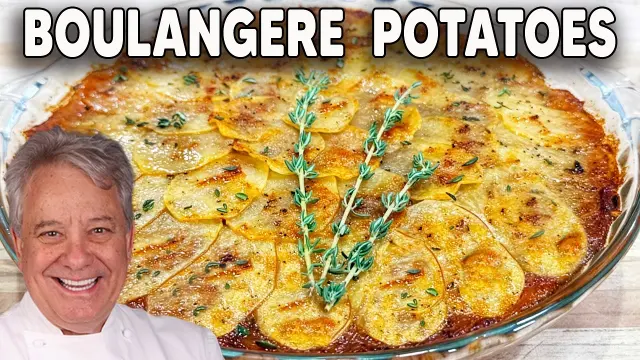
 Traditional French Pommes Boulangere Recipe
#French Cooking
1 ideas
Traditional French Pommes Boulangere Recipe
Get new #French Cooking ideas by email
Every Thursday: the week's best ideas, with the newest from #French Cooking.
Related tags
French Cooking: Classic Techniques and Dishes
French cooking is one of the most influential culinary traditions in the world. It is known for careful technique, balanced flavors, and a strong respect for good ingredients. At its heart, French cooking is not about making food complicated; it is about cooking with attention, patience, and a sense of harmony.
What French cooking is
French cuisine developed over centuries in homes, markets, bakeries, and regional kitchens across France. It includes both rustic everyday food and refined dishes served in formal dining. Some dishes are simple and comforting, while others rely on exact methods and elegant presentation. What connects them is a focus on building flavor step by step.
French cooking often uses butter, cream, wine, herbs, vegetables, bread, cheese, and carefully prepared sauces. But it is also deeply regional. Coastal areas, mountain regions, and farming areas each have their own traditions, ingredients, and dishes.
Read more
Common styles and dishes
French cooking can be broadly divided into a few familiar styles:
- Home-style dishes: stews, gratins, soups, roasted meats, and vegetable bakes
- Bistro cooking: hearty, straightforward meals with rich sauces and simple sides
- Regional cooking: dishes shaped by local produce, climate, and customs
- Pastry and baking: breads, tarts, pastries, and desserts built on precision and technique
Many classic dishes are built around a few essential methods: sautéing, braising, roasting, simmering, and baking. Sauces are especially important, because they bring together the flavors of the dish and give it depth.
Techniques beginners should know
If you are new to French cooking, start with the basics. Good French food usually begins with careful preparation.
- Learn to chop vegetables evenly so they cook at the same rate
- Take time to brown ingredients gently, since color often means flavor
- Taste as you cook and season gradually
- Keep your heat moderate when making sauces or custards
- Use fresh herbs thoughtfully rather than in large amounts
A few classic ideas are especially useful. A simple vegetable base can support soups, sauces, and stews. A well-made sauce can transform roasted chicken, fish, or vegetables. Gentle cooking helps keep textures smooth and flavors balanced.
Practical tips for cooking French food
French cooking rewards patience, but it does not have to feel difficult. Begin with a few reliable recipes and repeat them until you understand the rhythm of the dish. Choose good-quality ingredients, because French recipes often rely on the natural flavor of the food itself.
It also helps to keep your pantry simple and versatile. Stock a few herbs, onions, garlic, butter, flour, eggs, stock, and staples for baking. With these ingredients, you can make many classic dishes without needing anything elaborate.
If a recipe seems strict, remember that technique matters, but so does judgment. You can adjust many dishes to suit what is fresh and available, as long as you keep the balance of flavors in mind.
The spirit of French cooking
French cooking is often admired because it values both pleasure and practicality. It invites you to slow down, cook carefully, and enjoy the process as much as the result. Whether you are making a rustic tart, a simple soup, or a classic roast, French cooking teaches you to trust good ingredients and solid technique.
Videos come from YouTube and posts from Instagram; titles and summaries are our own. All rights belong to their creators.