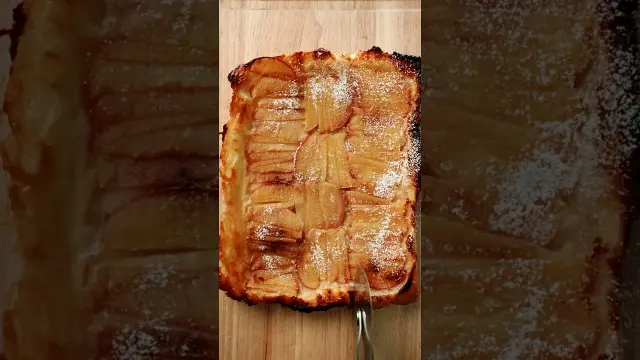
 French Style Upside Down Apple Tart
#French Dessert
1 ideas
French Style Upside Down Apple Tart
Get new #French Dessert ideas by email
Every Thursday: the week's best ideas, with the newest from #French Dessert.
Related tags
French Desserts: Classic Sweets and Simple Techniques
What French desserts are
French desserts are a broad family of sweets shaped by a long tradition of baking, pastry making, and careful presentation. They range from rustic fruit tarts and simple custards to elegant layered pastries and airy meringues. Many of them became popular through home cooking as well as pastry kitchens, so French desserts often balance comfort with precision.
At their heart, these desserts usually rely on a few classic building blocks: butter, eggs, sugar, milk or cream, flour, fruit, and chocolate. The result can be rich and delicate at the same time. Some are baked, some are chilled, and some are assembled just before serving.
Common kinds of French desserts
Read more
French dessert is not one single recipe, but a style with many familiar forms.
- Tarts and tartes: A pastry shell filled with fruit, custard, almond cream, or chocolate. Apple tart, lemon tart, and frangipane tart are well-known examples.
- Custards and creams: Crème brûlée, crème caramel, and pastry cream-based desserts belong here. They are smooth, soft, and often served chilled.
- Choux pastries: Made from pâte à choux, this dough puffs in the oven and becomes the base for éclairs, profiteroles, and cream puffs.
- Meringues and pavlovas: Whipped egg whites and sugar create a light, crisp or chewy dessert, often paired with fruit and cream.
- Cakes and loaf-style sweets: Simple butter cakes, almond cakes, and sponge cakes are common in French home baking.
- Pastries and viennoiserie-style sweets: Some treats sit between bread and dessert, such as brioche-based creations or laminated pastries filled with cream or fruit.
What gives them their character
French desserts often depend on technique more than complexity. A smooth custard needs gentle heat. A tart crust benefits from cold butter and careful handling. Choux pastry needs enough moisture in the dough to puff properly. Meringue depends on clean bowls and gradual sugar incorporation. These methods are classic because they create distinct textures: crisp, creamy, silky, airy, or tender.
Fruit also plays an important role, especially in simpler desserts. Apples, pears, berries, apricots, and citrus are often used to add freshness and balance to richer elements like butter, cream, or chocolate.
What beginners should know
If you are new to French desserts, start with recipes that use a few ingredients and clear steps. Tarts, custards, and simple cakes are often the best entry points.
- Read the whole recipe first, especially if it involves chilling, resting, or cooling.
- Measure carefully, because many French-style recipes depend on balance.
- Use good-quality butter, eggs, and fruit when possible, since the flavors are usually straightforward.
- Don’t rush cooling times. Many desserts improve when they are fully set.
- If a recipe feels advanced, learn one technique at a time rather than trying to master everything at once.
A practical way to approach them
A French dessert does not need to be ornate to feel special. A plain fruit tart, a bowl of crème caramel, or a simple almond cake can be deeply satisfying. Focus on texture, restraint, and clean flavors. If you keep your pastry crisp, your custards smooth, and your sweetness balanced, you’ll already be close to the spirit of French dessert making.
Videos come from YouTube and posts from Instagram; titles and summaries are our own. All rights belong to their creators.