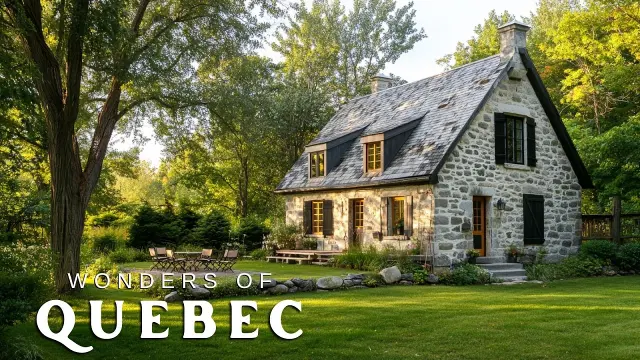
 Wonders of Quebec Cultural and Landscape Tour
#French Heritage
1 ideas
Wonders of Quebec Cultural and Landscape Tour
Get new #French Heritage ideas by email
Every Thursday: the week's best ideas, with the newest from #French Heritage.
Related tags
French Heritage: Traditions, Craft and Culture
French heritage refers to the cultural legacy linked to French history, language, and ways of life. It includes the built environment, traditional crafts, regional customs, family traditions, food, dress, and the many artistic forms that have developed over centuries. Because France has long been shaped by local regions as well as wider national identity, French heritage is both richly varied and closely connected to everyday life.
What French heritage includes
At its heart, French heritage is about continuity. It can be seen in historic towns, churches, farmhouses, city apartments, gardens, markets, textiles, ceramics, and decorative details that reflect older tastes and methods. It also lives in language and manners: the way people greet one another, share meals, celebrate family occasions, and value good craftsmanship.
French heritage is not one single style. It contains many regional traditions, from rural and maritime customs to urban refinement. Some examples are simple and practical, while others are highly decorative. What connects them is a respect for skill, memory, and the passing down of knowledge.
Read more
Common styles and influences
French heritage often brings together several recognizable influences:
- Classical symmetry and balanced proportions in architecture and interiors
- Rustic regional styles, with natural materials and handmade details
- Refined decorative traditions in furniture, textiles, and table settings
- Religious and civic heritage seen in cathedrals, chapels, squares, and public buildings
- Folk traditions expressed through costume, music, festivals, and regional cooking
You may also notice that French heritage often values harmony and restraint. Even when something is ornate, it is usually grounded in careful composition and attention to quality.
Food, craft, and daily life
Food is an important part of French heritage. Meals are often treated as a shared ritual, with attention to seasonality, presentation, and balance. Traditional baking, cheese-making, preserved foods, and regional recipes all tell part of the story.
Craft is equally important. Handmade objects in wood, fabric, metal, stone, or clay reflect practical skill and artistic judgment. If you are drawn to French heritage, you may enjoy studying:
- Embroidery, lace, and woven textiles
- Pottery and tableware
- Furniture with graceful lines and fine joinery
- Painted signs, shutters, ironwork, and architectural details
- Floral arrangements and table styling rooted in simple elegance
How to appreciate French heritage
If you are exploring French heritage for the first time, begin by looking closely at everyday objects and places. Notice materials, proportions, colors, and signs of use. Heritage is not only found in museums; it is also in old neighborhoods, family recipes, handwritten letters, and inherited home traditions.
A good approach is to value authenticity over imitation. Choose natural materials where possible, keep arrangements uncluttered, and let the character of an object or space speak for itself. When you combine old and new, try to preserve what feels meaningful rather than trying to recreate a perfect period style.
French heritage is ultimately about lived culture. It invites you to slow down, observe carefully, and appreciate the quiet beauty of things made well and kept with care.
#French Heritage: frequently asked questions
How do I start exploring French heritage if I don't have a background in it?
Start with what is already around you rather than with grand monuments or museums. Look closely at everyday things — an old chair, a linen tablecloth, a market stall, a village square — and pay attention to materials, proportions and signs of wear. Reading about regional customs and cooking as you go helps the pieces connect into a wider picture.
What do I actually need to bring French heritage style into my home or a project?
Less than most people expect: an eye for proportion, a preference for natural materials, and patience in choosing fewer but better things. A single well-made object — a ceramic bowl, a woven textile, a piece of ironwork — often does more than a room full of decorative items. Restraint and harmony matter more than quantity.
Which kind of French heritage style should I choose when the influences are so varied?
The tradition is regional rather than uniform, so it helps to decide whether you respond more to rustic informality or to refined symmetry. Rural styles lean on natural textures and handmade detail, while classical styles lean on balance and proportion. Choose the one that suits how the space or occasion will actually be used, then stay consistent around it.
How should I care for handmade and inherited pieces?
Treat age and use as part of the character rather than as faults to erase, and avoid finishes that seal or over-restore the surface. Clean gently with methods suited to the material — wood, clay, linen and iron each want something different — and keep pieces out of harsh light and damp where you can. Repairing well and using things regularly is often the best form of preservation.
What are some ideas for a French heritage inspired celebration or table?
Build the occasion around shared food and a calm table: seasonal dishes, simple flowers, and mismatched but well-kept linens and tableware. Keep decoration restrained so the food and the company are the focus, and let heritage details — a woven runner, an old serving dish, handwritten place cards — carry the mood.
What are the common mistakes people make with French heritage style?
The most frequent one is imitation: buying objects that copy a period look without the craftsmanship behind it. Another is clutter — piling on decorative detail instead of letting a few good pieces set the tone. Forgetting that heritage is lived culture rather than a set of props is usually what makes a result feel staged.
Videos come from YouTube and posts from Instagram; titles and summaries are our own. All rights belong to their creators.