 Top Ten Attractions and Landmarks in Quebec City
#Quebec City
14 ideas
Top Ten Attractions and Landmarks in Quebec City
 Two-Day Travel Guide to the Best of Quebec City
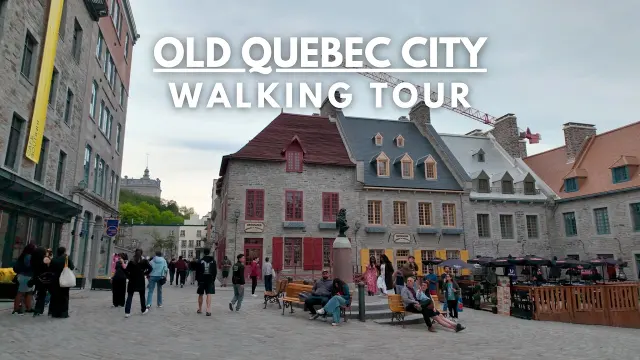 Evening Walking Tour Through Historic Old Quebec City
 Ten Best Places to Visit in Quebec City
 Fall Road Trip Itinerary Through Quebec City and Charlevoix
 Forty Eight Hours Exploring Old Quebec City Landmarks
 Exploring European Architecture and Sights in Quebec City
 Eighteen Budget-Friendly Things to Do in Quebec City
 Recommended Restaurants and Dining Spots in Quebec City
 Exploring the Best Sights and Neighborhoods of Quebec City
 Winter Walking Tour of Lower and Upper Quebec City
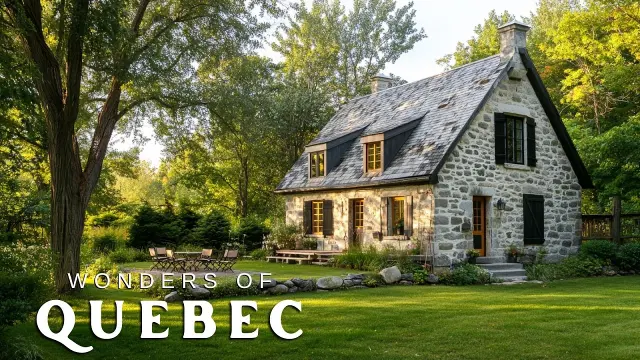 Wonders of Quebec Cultural and Landscape Tour
 Quebec City Travel Guide: Best Things to Do and Top Sights
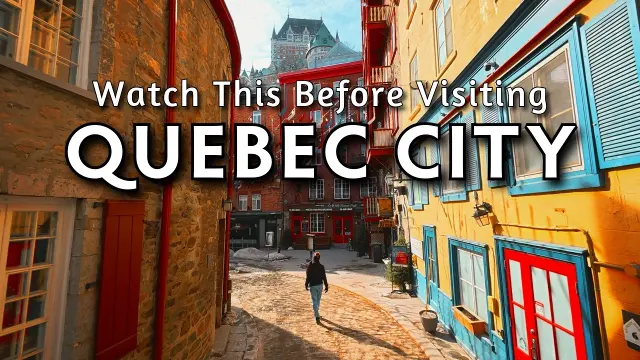 Ultimate Quebec City Winter Travel Guide and Best Things to Do
Get new #Quebec City ideas by email
Every Thursday: the week's best ideas, with the newest from #Quebec City.
Related tags
Quebec City Guide
A city of history and character
Quebec City is one of the oldest European-founded cities in North America and is known for its well-preserved historic core, stone buildings, and strong French cultural heritage. It sits on the St. Lawrence River and has long been an important center of government, trade, and daily life in the province of Quebec.
What makes Quebec City distinctive is the way history is woven into everyday life. You can walk through narrow streets, see fortified walls, and move easily between old-world architecture and a living modern city. It feels intimate compared with many large cities, and that is part of its appeal.
What to see
Read more
The heart of the city is Old Quebec, where many visitors begin. This area is known for its historic streets, public squares, churches, and lookout points. It is a place to wander slowly, notice the buildings, and enjoy the views over the river.
Common highlights include:
- historic streets and fortifications
- scenic promenades and viewpoints
- public squares and old civic buildings
- churches and religious architecture
- the riverfront and nearby waterfront areas
Outside the old core, you will find neighborhoods with a more local feel, shops, parks, restaurants, and residential streets that show another side of the city. Quebec City is not only a place for sightseeing; it is also a place where people live, work, and gather in ordinary ways.
Styles and experiences
Quebec City offers a mix of experiences. Some visitors come mainly for history and architecture. Others come for food, winter atmosphere, festivals, or a relaxed city break. The city can feel elegant, romantic, and quietly traditional, but it also has a practical, everyday rhythm.
Season matters in how you experience it. In warmer months, walking is especially pleasant, with terraces, gardens, and river views. In colder months, the city has a very different character, with snowy streets and a quieter atmosphere. Both seasons reveal a different beauty, so it helps to plan for weather and choose what suits your pace.
Practical tips for first-time visitors
If you are visiting for the first time, plan to explore on foot. The old areas are best enjoyed slowly, and comfortable shoes will make a big difference. Some streets are hilly or paved with uneven stone, so allow time to move between places.
A few helpful tips:
- learn a few basic French phrases if you can
- carry layers, since weather can change quickly
- give yourself time to wander rather than rushing from one landmark to another
- check opening hours in advance for museums and attractions
- balance sightseeing with simple moments like coffee, a meal, or a quiet viewpoint
A city worth lingering in
Quebec City rewards curiosity. It is not only about famous sights, but about atmosphere, history, and small details: a street corner, a stone wall, a distant river view, or the sound of daily life in a historic setting. If you enjoy places with character and a strong sense of place, you will likely find it memorable.
#Quebec City: frequently asked questions
How should a first-time visitor start exploring Quebec City?
Begin in Old Quebec, where the historic streets, squares, churches and lookout points sit close together and reward slow wandering. Rather than rushing between landmarks, give yourself time to walk, notice the stone buildings, and stop for a coffee or a view over the river. Comfortable shoes matter, since some streets are hilly and paved with uneven stone.
Which season is best for a trip to Quebec City?
It depends on the experience you want, because the city changes character with the weather. Warmer months are ideal for walking, terraces, gardens and river views, while colder months bring snowy streets and a quieter, more atmospheric mood. Packing layers is wise either way, as the weather can shift quickly.
What should I see beyond the old walled core?
The neighborhoods outside the historic center show a more everyday side of the city, with local shops, parks, restaurants and residential streets. They are worth exploring if you want to understand how people actually live and gather there, not just how the postcard views look. Paired with the old town, they give a fuller picture of the place.
Do I need to speak French to enjoy Quebec City?
No, but learning a few basic French phrases is a friendly gesture that locals generally appreciate. Signs and services are widely accessible to English speakers, so you can get by comfortably. A simple greeting or thank-you goes a long way toward making exchanges warmer.
What kind of trip suits Quebec City best?
The city works well for travelers who enjoy history, architecture and atmosphere rather than fast-paced sightseeing. Many people come for the food, the winter mood, festivals, or simply a relaxed break with elegant, romantic and traditional touches. Build in unhurried moments like a meal or a quiet viewpoint alongside the main sights.
What common mistakes do visitors make in Quebec City?
The most frequent one is trying to cover too much ground too quickly and missing the small details that make the city memorable. Another is failing to check opening hours in advance, or underestimating the hills and cobblestones when planning a walking route. Leaving room to wander and to adapt to the weather usually leads to a better visit.
Videos come from YouTube and posts from Instagram; titles and summaries are our own. All rights belong to their creators.