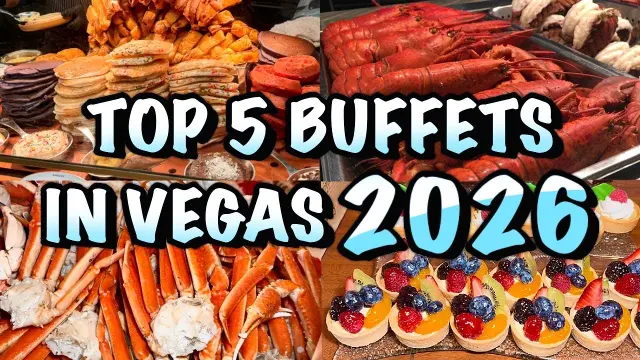
 Top 5 Las Vegas Buffets for Seafood and Steak
#Food Guide
4 ideas
Top 5 Las Vegas Buffets for Seafood and Steak
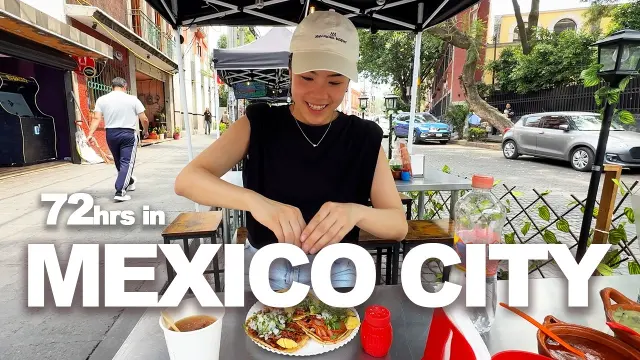 Seventy Two Hours of Nonstop Food and Culture in Mexico City
 Forty Eight Hours Exploring Old Quebec City Landmarks
 Recommended Restaurants and Dining Spots in Quebec City
Get new #Food Guide ideas by email
Every Thursday: the week's best ideas, with the newest from #Food Guide.
Related tags
Food Guide: How to Eat Well Anywhere You Go
A food guide is exactly what the name suggests: a curated body of advice about what to eat, where to find it and how to enjoy it. It might be a printed booklet, a chapter in a travel book, a magazine feature or a collection of notes passed between friends. What unites them is intent — a food guide does not simply list places to eat, it explains a food culture so that a reader can navigate it with confidence.
Where the idea comes from
Guides to eating have existed for as long as people have travelled. Early versions were practical: which markets were reliable, which dishes were safe for a visitor, what a fair price looked like. As food writing grew into its own craft, the guide evolved too, blending the practical with the descriptive. Today a good food guide reads less like a directory and more like a knowledgeable companion who knows both the dishes and the reasons behind them.
The main kinds
Read more
- Destination guides organise eating by city, region or country, usually pairing local specialities with the context that makes them meaningful — the harvest, the festival, the family table.
- Market and street food guides focus on informal eating: stalls, counters, seasonal produce, the small vendors that define everyday food in a place.
- Home cooking guides gather recipes and techniques around a tradition or a single ingredient, teaching method rather than pointing to a location.
- Practical guides address a specific need: feeding a family on a budget, cooking for dietary restrictions, eating well while travelling with children.
What a guide can and cannot do
A food guide is a map, not the territory. It gives you orientation: names of dishes worth seeking out, the rhythms of a local day, the difference between a place that cooks for locals and one that cooks for visitors. What it cannot do is taste for you. The best use of any guide is to learn enough vocabulary that you can start making your own choices — ordering the thing you cannot identify, asking the person beside you what they are having.
Advice for beginners
Read a guide before you arrive, not on the way to the restaurant. Note three or four dishes rather than thirty places; a short list you actually use beats a long one you abandon. Learn the words for the ingredients you avoid, if any, and carry them written down — translation fails most often at exactly the moment it matters. Eat at the hours locals eat, since a menu at an empty hour tells you little. And when a recommendation disappoints, trust your own mouth over the page.
Writing and keeping one
If you keep your own notes, write down more than whether you liked something. Record what was in the dish, how it was served, what time of day it belonged to. Years later, those details will be worth more than a rating, and your guide will stay useful long after the place itself has changed.
#Food Guide: frequently asked questions
How do I start a food guide for a trip or destination?
Begin with the kind of eating you want to understand: local dishes, street food, markets, family meals, or practical places for everyday meals. Then gather a short list of dishes, neighborhoods, and mealtimes that fit the place, so your guide helps you make choices instead of overwhelming you.
What should a good food guide include?
A useful guide should explain what the food means, where it is commonly found, and how people usually eat it. It also helps to note the setting, such as a market, a casual counter, or a home-style meal, so the reader understands the difference between local habits and tourist-facing spots.
Which type of food guide should I choose for my trip or project?
Choose a destination guide if you want to understand the food culture of a place, a street or market guide if you enjoy informal everyday eating, and a home cooking guide if you want recipes and methods. If you have a specific need, such as travelling with children or eating within certain limits, a practical guide is often the most helpful.
How do I use a food guide without relying on it too much?
Use it for orientation, not as a rulebook. Read it before you go, learn a few dish names and ingredient words, then leave room to ask locals, follow your senses, and choose what looks appealing in the moment.
What are the most common mistakes people make when following a food guide?
One common mistake is carrying too many recommendations and trying to visit all of them, which makes the experience rushed and less enjoyable. Another is treating the guide as more trustworthy than your own taste; if something disappoints, it is fine to move on and trust your palate.
How can I keep my own food guide useful over time?
Write down more than whether you liked a place or dish. Include what was served, how it was eaten, and the time or setting, because those details make your notes useful long after the original visit.
Videos come from YouTube and posts from Instagram; titles and summaries are our own. All rights belong to their creators.