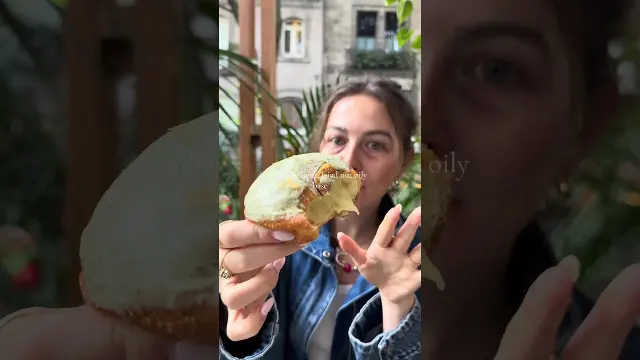
 A Look at the Bakeries and Pastries of Mexico City
#Mexico City
15 ideas
A Look at the Bakeries and Pastries of Mexico City
 Unlocking the Vibrant Heart and Culture of Mexico City
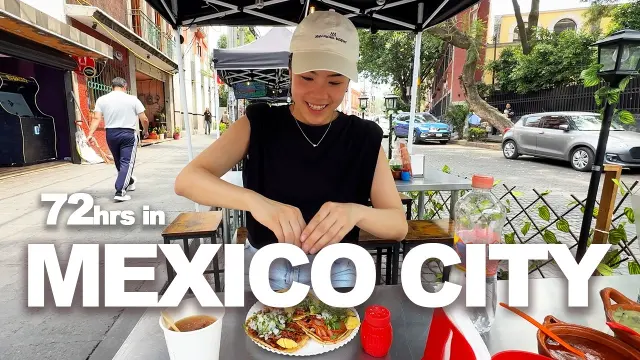 Seventy Two Hours of Nonstop Food and Culture in Mexico City
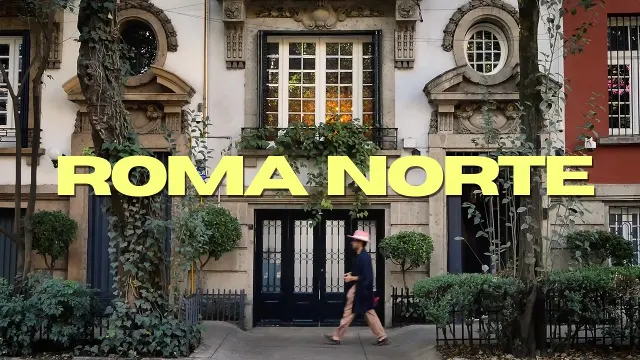 Exploring the Trendy Neighborhood of Roma Norte in Mexico City
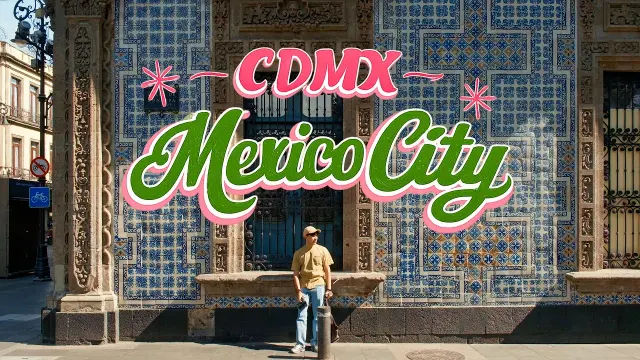 December Travel Vlog Highlighting Cafes and Street Food in Mexico City
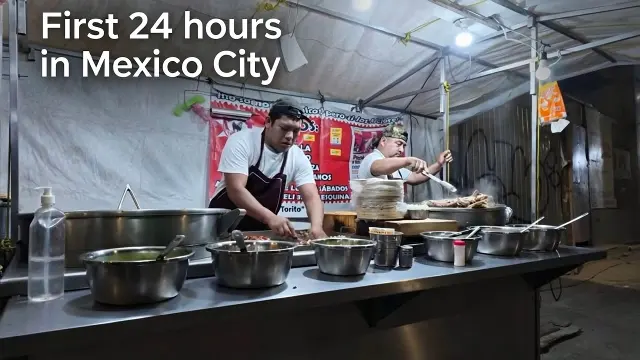 First Twenty Four Hours of Local Street Food and Tacos in Mexico City
 Walking Tour Through the Chaotic Alleys of La Merced Market in CDMX
 Inside Mercado de La Merced Experience and Street Food in Mexico City
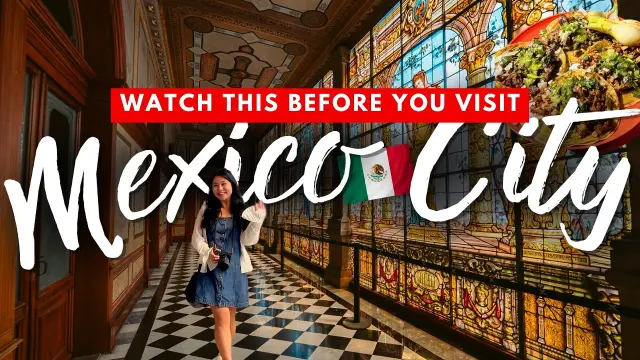 Essential First Time Visitor Tips and Mistakes to Avoid in Mexico City
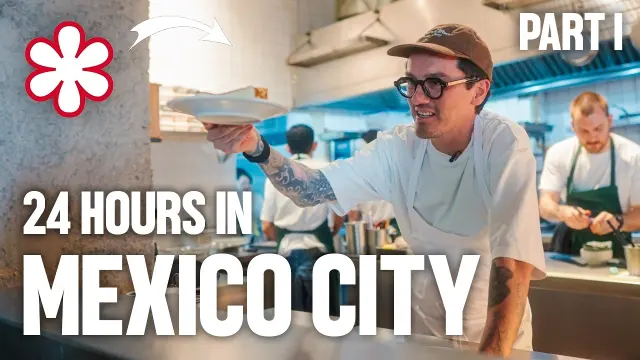 A Michelin Star Chef's Guide to Where to Eat in Mexico City
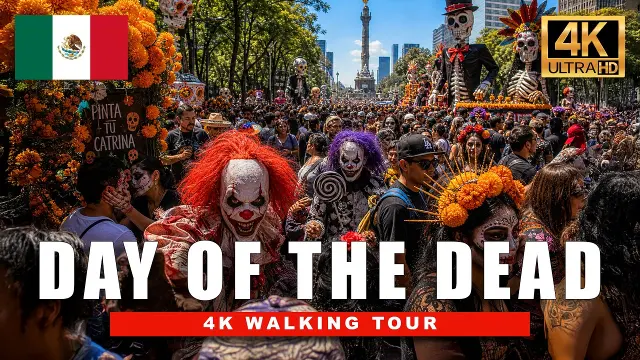 Immersive Walking Tour of Day of the Dead Celebrations in Mexico City
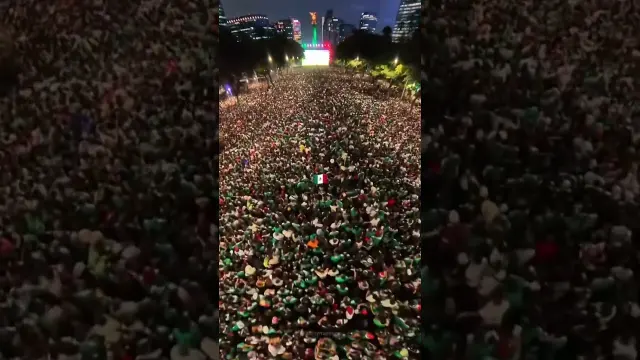 Aerial Footage of a Massive Crowd Celebrating in Mexico City
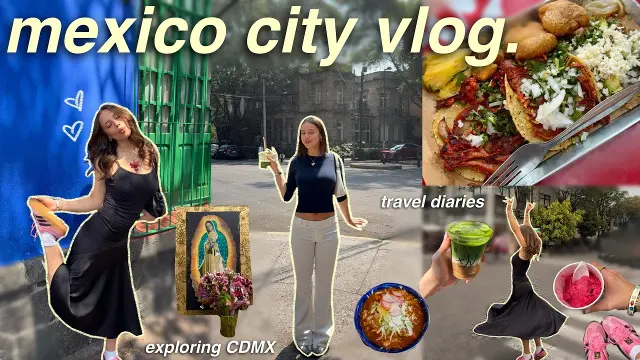 Five Day Travel Vlog Exploring Art Museums and Cafes in Mexico City
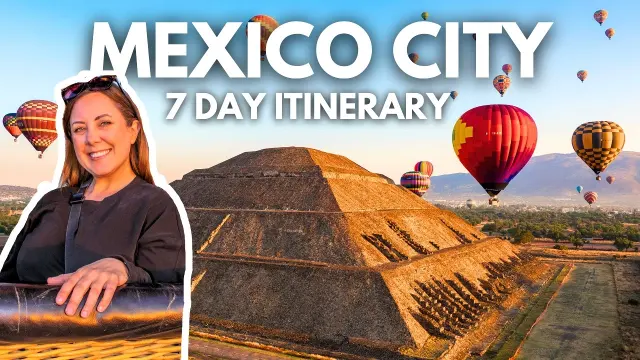 Complete One Week Itinerary and Things to Do in Mexico City
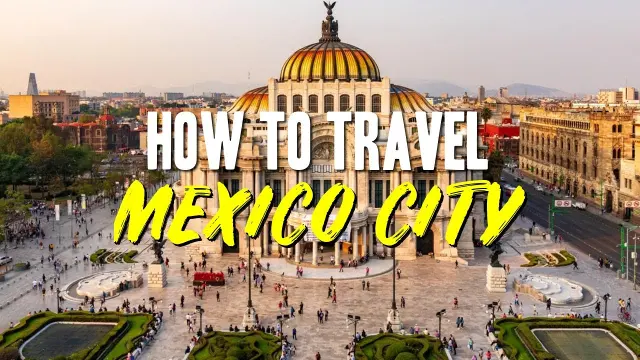 Mexico City Travel Guide: Neighborhoods, Food, and Top Attractions
Get new #Mexico City ideas by email
Every Thursday: the week's best ideas, with the newest from #Mexico City.
Related tags
Mexico City Travel Guide
Mexico City
Mexico City is one of the great capitals of the Americas, a huge and layered city built on top of older civilizations and shaped by centuries of colonial history, migration, art, and everyday street life. It is often called CDMX, and it can feel at once grand, busy, historic, and deeply local. For visitors, that mix is part of the appeal: you can move from ancient ruins and cathedral squares to modern museums, leafy neighborhoods, markets, and some of the best food in the country.
The city’s roots go back to the Mexica capital of Tenochtitlan, once built on the lakes of the Valley of Mexico. After the Spanish conquest, the city was rebuilt and became the center of colonial rule, later growing into the political, cultural, and economic heart of modern Mexico. That history is still visible everywhere, from archaeological remains in the historic center to mansions, churches, and wide avenues from later eras.
What to see and do
Read more
Mexico City is best understood through its neighborhoods. The historic center is where you feel the scale of the city’s past, with major plazas, churches, museums, and busy markets. Areas like Roma and Condesa are known for walkable streets, cafes, parks, and tree-lined avenues. Coyoacán offers a more traditional, village-like atmosphere with plazas, markets, and cultural sites. San Ángel is known for quieter streets and older architecture, while neighborhoods farther out can reveal a more everyday side of city life.
Museums are an essential part of any visit. The city has a rich museum culture, covering pre-Hispanic history, colonial art, modern painting, photography, and design. Public parks and plazas also matter here, because much of daily life happens outdoors: people meet, eat, stroll, and talk in open spaces.
Food, markets, and local traditions
Mexico City is famous for its food, and it helps to think of it as a city of many styles rather than one single cuisine. You’ll find street stalls, market food, neighborhood fondas, bakeries, cafes, and formal restaurants. Tacos, tamales, tostadas, soups, stews, and an enormous variety of snacks all play a role in the city’s food culture.
Markets are especially important. They are not just places to shop; they are places to eat, observe daily life, and understand local ingredients and habits. If you are curious, go hungry and take your time. A few simple rules help:
- Choose busy stalls with a steady flow of customers.
- Start with familiar dishes if you are unsure.
- Carry small cash for markets and street food.
- Be open to trying regional ingredients and salsas carefully.
Traditional celebrations also shape the city’s identity. Day of the Dead, Independence Day, and other public holidays bring altars, flowers, music, parades, and family gatherings into streets and homes.
Practical tips
Mexico City sits at high altitude, so give yourself time to adjust, rest, and drink water. Distances can be long, and traffic can be heavy, so plan more time than you think you need. Use a mix of walking and transport, and stay aware of your surroundings in crowded places, as you would in any large city.
The best approach is simple: move slowly, eat widely, and leave room for detours. Mexico City rewards curiosity, patience, and a willingness to look beyond the obvious.
#Mexico City: frequently asked questions
Is Mexico City worth visiting for a first trip?
Yes — few cities pack so much into one place, from archaeological remains and colonial squares to modern museums, markets, and neighborhood life. The appeal is the layering: ancient, colonial, and contemporary all sit on top of each other. It rewards curiosity and a slow pace more than a checklist.
Which neighborhoods should I focus on?
The historic center gives you the scale of the city's past, with plazas, churches, museums, and busy markets, while Roma and Condesa are walkable and full of cafes, parks, and tree-lined streets. Coyoacán feels more like a traditional village, and San Ángel is quieter with older architecture. Areas farther out are worth a detour if you want to see ordinary daily life rather than the visitor version of the city.
How should I handle the altitude and getting around?
The city sits high up, so plan a gentler first day — rest, drink water, and don't schedule yourself to the minute. Distances are longer than they look on a map and traffic can eat into your day, so allow more time than you think you need. Mixing walking with transport works best, and stay aware of your surroundings in crowded places as you would in any big city.
How do I choose where to eat, especially at markets and street stalls?
Go where the locals are — a stall with a steady flow of customers is usually turning its food over quickly. Start with dishes you recognize, carry small cash, and approach salsas and unfamiliar ingredients gradually. Markets are worth visiting as eating places, not just shopping stops, so arrive hungry and take your time.
What do first-time visitors usually get wrong?
The most common mistake is over-scheduling and underestimating how much time it takes to cross the city. Another is treating it as one cuisine or one neighborhood when it's really many of each. Move slowly, eat widely, and leave room for unplanned detours — that's usually what people remember most.
What is there to do beyond eating and museums?
Public parks and plazas matter here because so much of daily life happens outdoors — people meet, stroll, and eat in open spaces. Traditional celebrations also reshape the streets, bringing altars, flowers, music, and parades into neighborhoods and homes. Build in time to just sit in a square and watch the city work.
Videos come from YouTube and posts from Instagram; titles and summaries are our own. All rights belong to their creators.