 Unlocking the Vibrant Heart and Culture of Mexico City
#Food Tour
3 ideas
Unlocking the Vibrant Heart and Culture of Mexico City
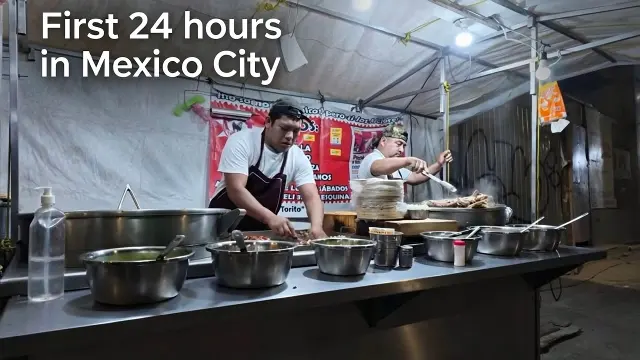 First Twenty Four Hours of Local Street Food and Tacos in Mexico City
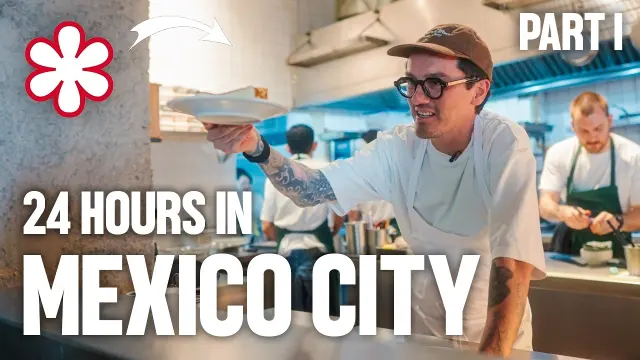 A Michelin Star Chef's Guide to Where to Eat in Mexico City
Get new #Food Tour ideas by email
Every Thursday: the week's best ideas, with the newest from #Food Tour.
Related tags
Food Tours: A Guide to Eating Your Way Through a City
A food tour is a way of getting to know a place through its food, on foot and in company. Instead of ordering one meal in one restaurant, you move between several stops with a guide or a small group, tasting a little of this and a little of that while learning how each dish fits into the life of the city around it. The idea is simple, but it quietly changes how you travel: the market stall, the corner bakery and the family kitchen stop being scenery and become the point of the day.
Where the idea comes from
Guided tasting walks grew out of older habits rather than a single invention. Market tours, cooking classes and neighbourhood walks have long been part of hospitality in food-loving cities, and over time they were combined into something more structured: a route with a theme, a handful of stops and a host who can explain what you are eating. Today you will find them in large capitals and small towns alike, run by independent guides, community groups, cooking schools and tourism organisations.
The main kinds of food tour
Read more
- Market tours, which wander through covered markets and street stalls, focusing on produce, spices, cheese, bread and whatever the vendors are selling that morning.
- Neighbourhood walks, which explore one district in depth and mix food with local history and everyday life.
- Street food tours, built around small, quick, informal bites eaten standing up or on the move.
- Speciality tours, devoted to a single subject such as cheese, bread, coffee, chocolate, wine or pastries.
- Cooking-based tours, where shopping and tasting lead into a hands-on session preparing a dish or two.
Some tours are small and conversational, others are larger and more organised. Neither is better in itself; what matters is that the format suits the way you like to eat and learn.
What beginners should know
Read the description carefully and note how many stops are included, how much walking is involved and whether dietary needs can be accommodated. If you have allergies or restrictions, say so when booking rather than at the first stop. Eat lightly beforehand, and resist the urge to finish every plate early on; tours are usually paced so that the last stop is as good as the first.
Wear comfortable shoes and bring water. Ask questions — guides generally enjoy them, and the best conversations happen between stops. If you are travelling, keep an eye on food that has been sitting out or handled with bare hands, and choose busy places where turnover is quick.
Getting more from the experience
Take note of the names of dishes rather than just the addresses; a technique you learn in one place will reappear elsewhere and deepen your sense of a cuisine. Go back to a favourite stall on your own a day or two later, when you are no longer following a route. And treat the tour as a starting point: the neighbourhood you walked through is often the one you will want to return to.
#Food Tour: frequently asked questions
How do I choose the right food tour for a first-time traveler?
Start by thinking about how you like to explore: a market tour suits people who want to see ingredients and local buying habits, while a neighbourhood walk gives more history and everyday context. If you prefer quick bites, street food tours are a good fit; if you want a more hands-on experience, look for a cooking-based tour.
What should I bring or prepare before joining a food tour?
Wear comfortable shoes, bring water, and read the tour description carefully so you know how much walking and eating is involved. It also helps to eat lightly beforehand and to mention any dietary restrictions or allergies when you book.
Is a food tour a good way to experience a city beyond restaurants?
Yes, because it connects food with the places and people behind it, not just the final dish. You may move through markets, bakeries, stalls, and small local spots, which can give you a stronger sense of the city’s daily life and culture.
What are some common mistakes people make on food tours?
A common mistake is arriving too full or trying to finish everything at the first stop, which can make later tastings less enjoyable. Another is forgetting to speak up about dietary needs or not asking questions, even though guides usually welcome them.
How can I get the most out of a food tour after it ends?
Pay attention to the names of dishes, ingredients, and techniques so you can recognize them later in other places. If a stop stands out to you, go back on your own and explore the neighbourhood at a slower pace.
Videos come from YouTube and posts from Instagram; titles and summaries are our own. All rights belong to their creators.