 Unlocking the Vibrant Heart and Culture of Mexico City
#CDMX
13 ideas
Unlocking the Vibrant Heart and Culture of Mexico City
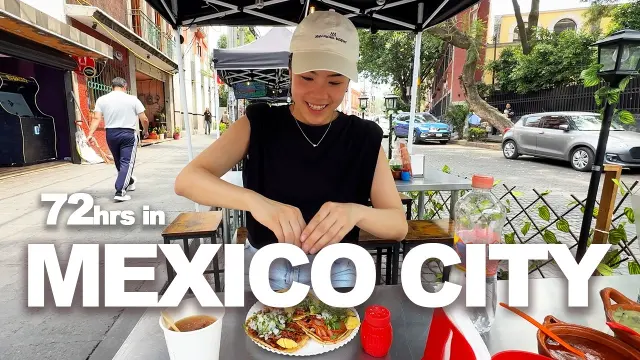 Seventy Two Hours of Nonstop Food and Culture in Mexico City
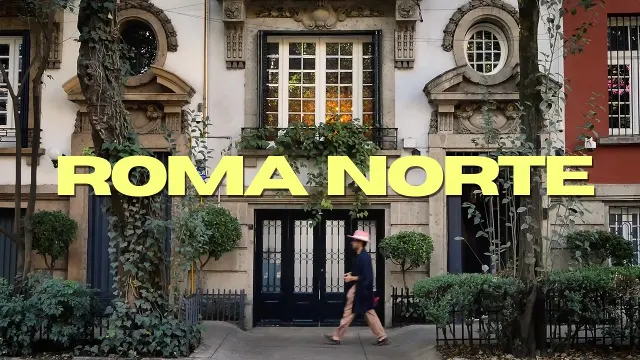 Exploring the Trendy Neighborhood of Roma Norte in Mexico City
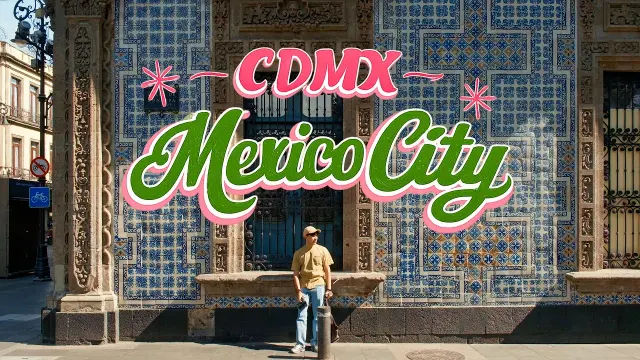 December Travel Vlog Highlighting Cafes and Street Food in Mexico City
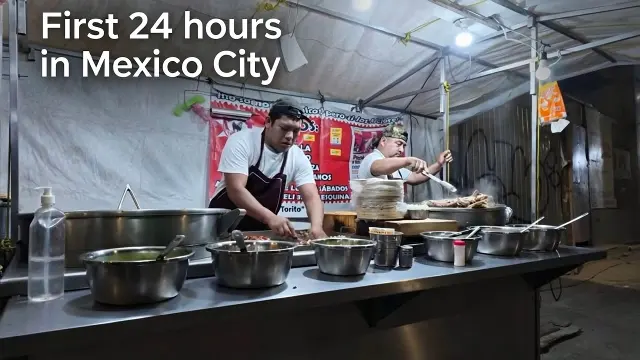 First Twenty Four Hours of Local Street Food and Tacos in Mexico City
 Walking Tour Through the Chaotic Alleys of La Merced Market in CDMX
 Inside Mercado de La Merced Experience and Street Food in Mexico City
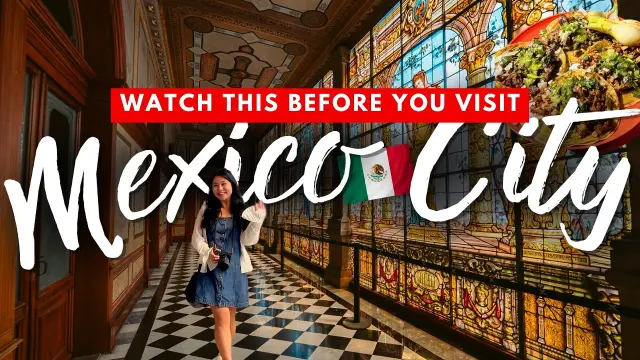 Essential First Time Visitor Tips and Mistakes to Avoid in Mexico City
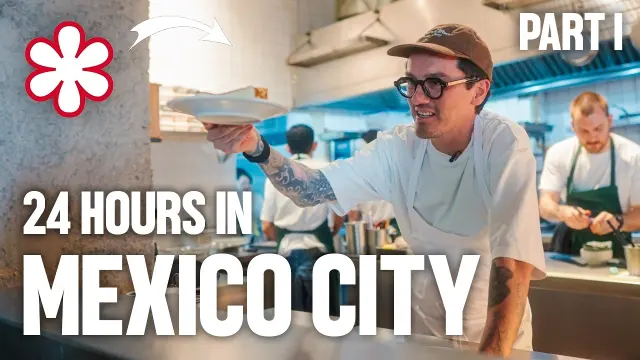 A Michelin Star Chef's Guide to Where to Eat in Mexico City
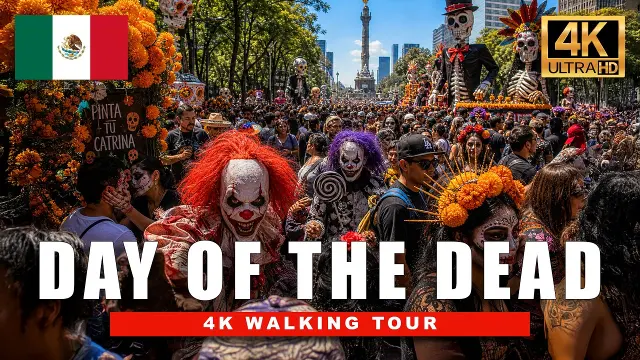 Immersive Walking Tour of Day of the Dead Celebrations in Mexico City
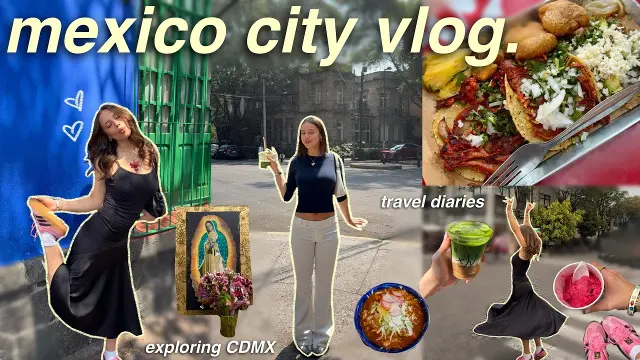 Five Day Travel Vlog Exploring Art Museums and Cafes in Mexico City
 Complete One Week Itinerary and Things to Do in Mexico City
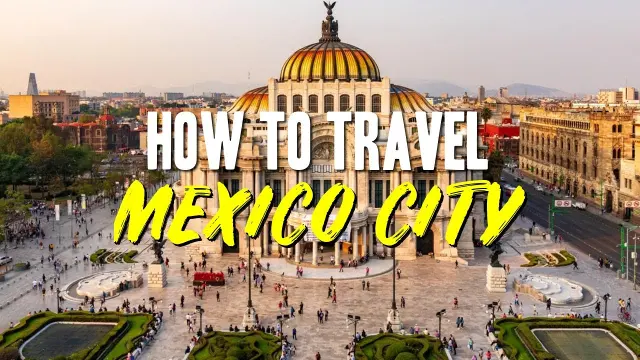 Mexico City Travel Guide: Neighborhoods, Food, and Top Attractions
Get new #CDMX ideas by email
Every Thursday: the week's best ideas, with the newest from #CDMX.
Related tags
CDMX Guide to Mexico City
Mexico City at a glance
CDMX is the common shorthand for Ciudad de México, Mexico City’s official name. It is one of the largest cities in the world and the cultural, political, and historic center of Mexico. For many visitors, it feels like several cities in one: ancient ruins, colonial plazas, modern neighborhoods, markets, museums, parks, and a food scene that ranges from simple street snacks to refined dining.
The city’s history is layered. Long before the Spanish period, the valley was home to the Mexica civilization, whose capital Tenochtitlan stood where Mexico City is now. That history still shapes the city today, from archaeological remains in the center to the way old and new sit side by side.
What to see and do
Read more
A good first visit usually includes the historic center, where you can see grand civic buildings, important squares, and reminders of the city’s long past. Museums are a major part of the experience here, and many travelers spend time exploring art, history, and anthropology collections.
Beyond the center, neighborhoods give the city its character. Some areas are known for leafy streets and cafés, others for markets, nightlife, or elegant architecture. Walking is one of the best ways to get a feel for each district, though the city is large, so it helps to plan your days by area.
Parks, plazas, and markets are also part of daily life. You can spend a morning in a museum, an afternoon in a tree-lined neighborhood, and an evening eating at a local taquería or sharing snacks in a neighborhood market.
Food and local flavors
Mexico City is one of the best places to try regional Mexican food in a wide range of styles. Street food is an essential part of the culture, and so are market stalls, bakeries, and humble family-run restaurants. Tacos, tamales, tortas, quesadillas, soups, and antojitos are all part of the everyday rhythm of eating here.
If you are new to the city, try a mix of familiar and local dishes rather than aiming only for the famous places. The best food experiences often come from simple spots with steady local customers. As with any big city, choose busy stalls, pay attention to freshness, and eat where the turnover is high.
Neighborhoods and atmosphere
Different neighborhoods suit different travel styles. Some are more historic and formal, while others are relaxed, creative, or residential. If you like tree-shaded streets, independent shops, and cafés, you may enjoy the more walkable districts. If you prefer history and landmarks, the older central areas are ideal. For a quieter pace, look for neighborhoods with parks, plazas, and local markets.
Practical tips for beginners
- Give yourself extra time. Mexico City is huge, and traffic can slow even short journeys.
- Group sights by neighborhood so you spend more time exploring and less time commuting.
- Carry comfortable shoes for walking and a light layer, since temperatures can change through the day.
- Stay aware of your surroundings, especially in crowded places and when using transport.
- Learn a few basic Spanish phrases if you can; even a little goes a long way.
CDMX rewards curiosity. If you take your time, move at a neighborhood pace, and leave room for unexpected discoveries, the city becomes much richer and easier to love.
#CDMX: frequently asked questions
How should a first-time visitor plan a trip to Mexico City?
Start with the historic center, where the grand squares, civic buildings, and archaeological traces give you the city's layered story in one walkable area. From there, group your days by neighborhood rather than crisscrossing the city, since distances and traffic eat up far more time than maps suggest. Leave breathing room in the schedule for parks, markets, and the aimless wandering that usually becomes the best part of the trip.
Which neighborhood should I pick for my base?
It depends on the kind of trip you want: the older central districts suit travelers who want landmarks and history within walking distance, while leafier areas with cafés, independent shops, and tree-shaded streets suit a slower, more residential pace. Quieter neighborhoods near parks and local markets work well if you'd rather come back to calm at the end of the day. Wherever you stay, expect to travel between areas, so pick a base that matches how you like to spend your mornings and evenings.
What should I eat, and how do I choose where?
Mexican food here covers a huge range, from humble street snacks and market stalls to family-run spots and refined kitchens, so mix familiar dishes with local ones instead of chasing only the famous places. Look for busy stands with steady local customers and high turnover, which is the simplest signal of freshness. Tacos, tamales, tortas, quesadillas, soups, and small antojitos are a good way to eat your way through a neighborhood.
What common mistakes do first-time visitors make?
The most frequent one is overpacking the itinerary and underestimating how long it takes to move across such a large city. Another is dressing and packing for a single temperature, when the day often starts cool and warms up considerably, so a light layer and comfortable walking shoes matter more than a heavy wardrobe. Travelers also tend to skip basic Spanish and to stop paying attention in crowded places, when a few phrases and a bit of awareness go a long way.
How much can I realistically see, and should I walk or use transport?
Walking is the best way to absorb a district's atmosphere, but the city is far too spread out to cover on foot alone, so plan to combine walking with short rides between areas. Rather than counting sights, choose one or two zones per day and let a museum morning, a neighborhood afternoon, and an evening of street food fill it out. Accepting that you'll see less than you planned is part of enjoying the place.
Is Mexico City worth visiting if I'm mainly interested in food and culture?
It's one of the strongest destinations for both, with deep anthropology and art collections alongside a food culture that runs from street snacks to serious cooking. The city rewards curiosity more than checklists, so the richest experiences often come from small markets, neighborhood bakeries, and unplanned detours. Go with an open schedule and let local eating rhythms set the pace of your days.
Videos come from YouTube and posts from Instagram; titles and summaries are our own. All rights belong to their creators.