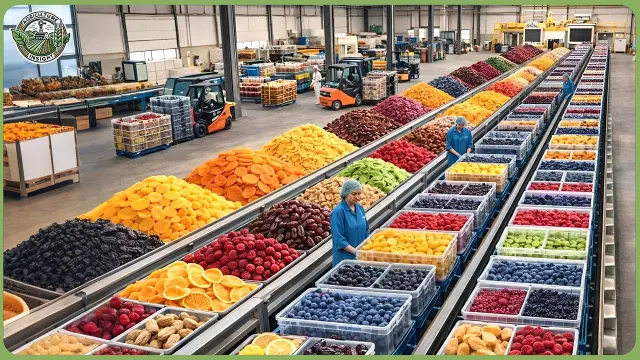
 Inside Modern Dried and Frozen Fruit Factories at Industrial Scale
#Frozen Fruit
1 ideas
Inside Modern Dried and Frozen Fruit Factories at Industrial Scale
Get new #Frozen Fruit ideas by email
Every Thursday: the week's best ideas, with the newest from #Frozen Fruit.
Related tags
Frozen Fruit: A Practical Guide to Freezing and Using It
Frozen fruit is fruit that has been chilled to well below freezing, either at home or commercially, so that it keeps far longer than it would fresh. The idea is simple: low temperatures slow the activity that makes fruit spoil, and the texture and flavour are largely locked in place. Commercial freezing usually happens soon after picking, when the fruit is at its ripest, which is why a bag of frozen berries in the middle of winter can taste surprisingly good.
How freezing works
Fruit is mostly water, and when that water freezes it expands into ice crystals. Fast freezing creates small crystals that do little damage to the fruit's cell walls; slow freezing creates large ones that pierce those walls, so the fruit softens and releases juice when it thaws. This is why a home freezer, which cools gradually, gives a softer result than an industrial blast freezer. It also explains why frozen fruit is best eaten cooked, blended or baked rather than served raw and firm.
Kinds and preparation
Read more
Most fruit freezes well, but some handle it better than others. Berries, cherries, mango, pineapple, peach slices and rhubarb freeze beautifully. Apples and pears are better stewed first. Citrus is usually frozen as juice or zest. Bananas darken and soften but are excellent mashed into smoothies and cakes.
For home freezing, choose ripe but firm fruit, wash it gently, and dry it well — surface water turns into clumps of ice. Spread the pieces on a tray so they freeze separately, then tip them into a bag or box. This "open freeze" method keeps the pieces loose instead of forming a solid block. Squeeze out as much air as you can, label with the contents and the date, and use within a reasonable window rather than leaving things indefinitely.
Using frozen fruit
Frozen fruit shines in pies, crumbles, compotes, jams, smoothies and porridge. Because it releases juice as it thaws, it often needs a little thickening in baking — a spoonful of flour or cornflour tossed with the fruit helps. If you are folding berries into a batter, keep them frozen until the last moment so they hold their shape and do not streak the mixture.
Thaw fruit in the fridge rather than on the counter, and catch the juices to use in sauces or dressings. Frozen fruit can also be cooked straight from frozen; there is no need to wait.
Practical tips
- Freeze fruit in portions you will actually use, so you are not thawing and refreezing.
- Avoid refreezing thawed fruit, as quality drops sharply each time.
- Frozen fruit is often more economical than fresh and is available year-round.
- Keep a bag of mixed berries on hand for quick desserts and breakfasts.
Once you get into the habit, the freezer becomes one of the most useful tools in the kitchen — a way to hold on to fruit at its best and bring it out whenever you need it.
#Frozen Fruit: frequently asked questions
How do I get started freezing fruit at home?
Start with a small batch of fruit that is ripe but still firm, rinse it gently and pat it completely dry, since lingering moisture is what turns pieces into a frozen lump. Lay the pieces out separately on a tray, let them firm up in the freezer, then gather them into a container and press out the air. Label what you put away so you are not guessing later.
Which fruits freeze best and which should I avoid freezing raw?
Berries, cherries, stone-fruit slices, mango, pineapple and rhubarb come through freezing with their shape and flavour largely intact. Apples and pears are better cooked into a stew or purée first, and citrus is usually frozen as juice or grated zest rather than in pieces. Bananas go dark and soft but are still excellent mashed into smoothies and cakes, so freeze them for that purpose rather than for serving whole.
How do I stop frozen fruit from freezing into one solid block?
The trick is to freeze the pieces individually before they touch each other — spread them out on a tray, chill until firm, and only then move them into a bag or box. Drying the fruit thoroughly beforehand matters just as much, because surface water glues pieces together. Choosing a container you can squeeze the air out of helps too.
Can I bake or cook with frozen fruit straight from the freezer?
Yes — there is no need to thaw it first for pies, crumbles, compotes, jams or porridge. When baking, expect the fruit to release liquid as it heats, so tossing it with a little flour or cornflour before it goes in keeps the filling from turning watery. If you are folding berries into a batter, add them still frozen so they hold their shape instead of streaking the mix.
What are the most common mistakes people make with frozen fruit?
Freezing wet fruit, packing it into one big lump and then thawing more than you need are the usual culprits, because each thaw-and-refreeze cycle costs texture and flavour. Thawing on the counter instead of in the fridge is another easy slip, and it wastes the juices that run out — catch those and use them in a sauce or dressing. Portioning before freezing solves most of these problems at once.
What can I make with a bag of frozen berries?
A bag of mixed berries is genuinely useful to keep on hand for quick desserts and breakfasts — a fruit crumble, a warm compote spooned over yoghurt, or a smoothie thrown together in moments. They also work well folded into muffins or simmered down into a small batch of jam. Because the fruit is already prepared, these are the kinds of things you can make on a whim rather than plan for.
Videos come from YouTube and posts from Instagram; titles and summaries are our own. All rights belong to their creators.