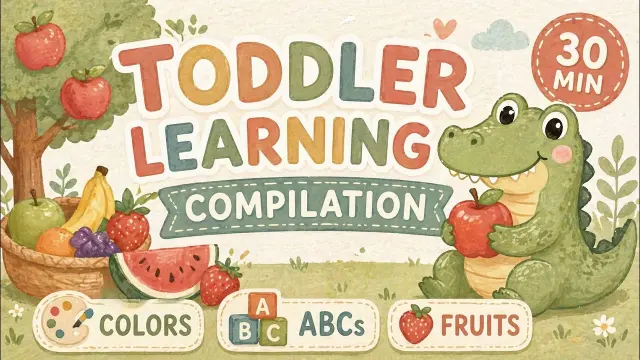
 Toddler Learning Video for Colors ABCs and Fruit Vocabulary
#Fruits
1 ideas
Toddler Learning Video for Colors ABCs and Fruit Vocabulary
Get new #Fruits ideas by email
Every Thursday: the week's best ideas, with the newest from #Fruits.
Related tags
Fruits: A Guide to Nature’s Sweet Harvest
Fruits are the sweet, fleshy parts of plants that develop around seeds. They come from many kinds of plants, from trees and shrubs to vines and small garden plants. In everyday life, people usually think of fruit as the fresh, juicy foods eaten on their own or used in cooking, but botanically the definition is wider. Tomatoes, cucumbers, and avocados are technically fruits too, even though they are often used like vegetables.
What fruits are used for
Fruits are valued for their flavor, color, and versatility. You can eat them fresh, blend them into drinks, bake them into desserts, cook them into sauces, or preserve them as jams and compotes. They are also a common part of breakfast, snacks, salads, and festive dishes. Because they can be sweet, tart, crisp, soft, fragrant, or juicy, fruits fit into both simple meals and more elaborate recipes.
Common kinds of fruit
Read more
There are many ways to group fruits. One simple way is by what part of the plant they come from or how they grow.
- Tree fruits: apples, pears, peaches, plums, cherries, citrus
- Berry-like fruits: strawberries, blueberries, raspberries, blackberries
- Tropical fruits: mangoes, pineapples, papayas, bananas, passion fruit
- Melons: watermelon, cantaloupe, honeydew
- Stone fruits: peaches, nectarines, apricots, plums
- Citrus fruits: oranges, lemons, limes, grapefruits
Some fruits are eaten for their flesh, while others are enjoyed for their juice, seeds, or aromatic peel.
How fruits grow
Fruit begins with a flower. After pollination and fertilization, the flower’s ovary develops into the fruit, and the seeds inside are protected as they mature. When the fruit is ripe, it often changes color, softens, and becomes sweeter or more fragrant. Different fruits ripen in different ways: some are best picked when fully ripe, while others continue to soften after harvest.
Choosing and storing fruit
When selecting fruit, look for good color, a pleasant smell, and the level of firmness you want for eating. Avoid fruit with mold, bruising, or signs of damage unless you plan to trim it away. Some fruits, like bananas and avocados, may need time at room temperature to ripen. Others keep better in the refrigerator once ripe.
A few practical tips can help:
- Wash fruit before eating or cutting it.
- Store delicate berries carefully and use them soon.
- Keep cut fruit covered in the refrigerator.
- Separate fruits that give off a lot of ripening gas if you want others to stay firm longer.
Getting to know fruit better
If you are new to buying or preparing fruit, start with familiar varieties and notice their texture and flavor when ripe, underripe, and overripe. This helps you learn when each one is at its best. Fruit can be enjoyed in many forms, but fresh fruit is often the simplest way to appreciate its natural taste. Whether you eat it raw, cook it, or mix it into a dish, fruit brings color, freshness, and natural sweetness to the table.
Videos come from YouTube and posts from Instagram; titles and summaries are our own. All rights belong to their creators.