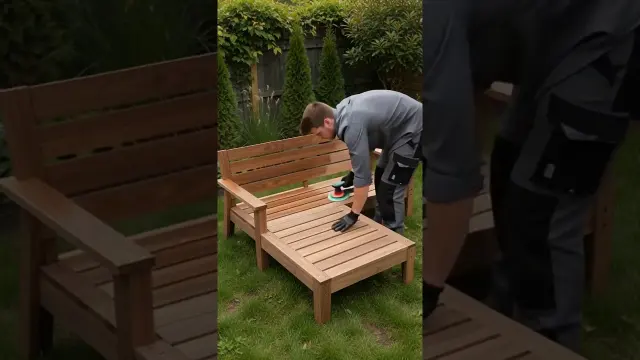
 Outdoor Pallet Sofa Garden Furniture Transformation
#Garden Furniture
1 ideas
Outdoor Pallet Sofa Garden Furniture Transformation
Get new #Garden Furniture ideas by email
Every Thursday: the week's best ideas, with the newest from #Garden Furniture.
Related tags
Garden Furniture Guide
Garden furniture is any seating, table, or storage piece made for outdoor living spaces such as gardens, patios, balconies, terraces, and decks. It helps turn an open area into a comfortable place to relax, eat, entertain, or simply enjoy time outside. Because it has to live in changing weather, garden furniture is usually designed to be more durable than indoor furniture and easier to clean and move.
What garden furniture includes
Garden furniture can be as simple as a bench and a small table, or as complete as a full dining set or lounge area. Common pieces include chairs, sofas, benches, tables, stools, loungers, parasols, and storage boxes. Some pieces are made for eating outdoors, while others are meant for resting, reading, or gathering with family and friends.
Common materials
Read more
The material you choose affects the look, weight, comfort, and upkeep of your furniture.
- Wood gives a natural, warm look and suits many garden styles. It usually needs regular care to stay in good condition.
- Metal can look elegant or modern and is often strong and long-lasting.
- Rattan and woven-look pieces are popular for relaxed seating and a softer appearance.
- Plastic and resin furniture is often light, practical, and easy to wipe clean.
- Cushions and textiles add comfort, but they usually need to be brought inside or stored when not in use.
Main styles
Garden furniture comes in many styles, from classic to contemporary. A traditional garden might suit painted wood or wrought-iron-style pieces. A modern outdoor space may look better with clean lines, simple shapes, and neutral colours. A casual family garden often works well with mixed seating, a sturdy table, and easy-care materials. The best style is usually the one that matches both your home and the way you use the space.
Choosing the right pieces
Before you buy, think about how you want to use the area. If you like outdoor meals, a comfortable table and enough chairs matter most. If you prefer relaxing, focus on deep seating, cushions, and side tables. Always consider the size of the space so that it still feels easy to move around in. Folding furniture, stackable chairs, and benches can be useful where space is limited.
Practical care tips
Good care helps garden furniture last longer.
- Clean it regularly with gentle soap and water unless the maker recommends something else.
- Dry surfaces after rain when you can.
- Store cushions indoors or in a dry box.
- Cover furniture during long wet periods or over winter if suitable.
- Check wood, screws, joints, and fabric for wear from time to time.
For beginners
If you are starting from scratch, begin with one useful set rather than trying to fill the whole garden at once. Choose pieces that are comfortable, easy to maintain, and suited to your climate. It also helps to test whether chairs feel steady and whether table heights work well for the way you sit and eat. With the right basics, garden furniture can make even a small outdoor space feel welcoming and well used.
#Garden Furniture: frequently asked questions
How should I start furnishing an outdoor space if I have nothing yet?
Start small: pick one genuinely useful grouping, such as a table with chairs or a bench with a side table, rather than trying to fill the whole garden at once. Sit in the pieces before committing and check that chairs feel steady and that table heights suit the way you actually sit and eat. You can always add more later once you see how the space gets used.
Which material is best for garden furniture?
There is no single best material — it depends on the look you want, your climate, and how much upkeep you are willing to do. Wood feels warm and natural but wants regular attention, metal is strong and long-lasting, woven and rattan-look pieces give softer, more relaxed seating, and plastic or resin is light and easy to wipe down. Choose the one whose care routine you will realistically keep up with.
How do I look after garden furniture so it lasts?
Wash surfaces regularly with gentle soap and water unless the maker advises otherwise, and dry things off after rain when you can. Bring cushions and textiles indoors or into a dry storage box, and cover pieces during long wet spells or over the colder months. A periodic check of joints, screws, wood and fabric catches small wear before it becomes a repair.
What is the most common mistake people make when buying garden furniture?
Buying for looks alone and forgetting the size of the space is the usual one — furniture that crowds a patio is hard to move around and gets used less. Another is choosing pieces that need more care than the owner wants to give, so cushions and wood are left out in the weather. Think about how you will use the area and how much maintenance you will actually do before deciding.
Can I make garden furniture myself instead of buying it?
Yes, and repurposed timber such as pallets is a popular route for a homemade sofa or bench because it is inexpensive and forgiving to work with. Plan for outdoor conditions though: use fixings that will not rust, sand and finish the wood, and add weather-resistant cushions you can bring in. Homemade pieces also need checking over time as joints loosen with the seasons.
How do I make an outdoor seating area feel comfortable and inviting?
Comfort comes mostly from deep seating, good cushions, and a side table within easy reach, plus enough room to walk around without squeezing past. Match the style to your home and to how you use the space — a dining setup for shared meals, or relaxed lounge seating for reading and talking. A little shade and a spot for storage for the cushions make the difference between a space you use and one you just look at.
Videos come from YouTube and posts from Instagram; titles and summaries are our own. All rights belong to their creators.