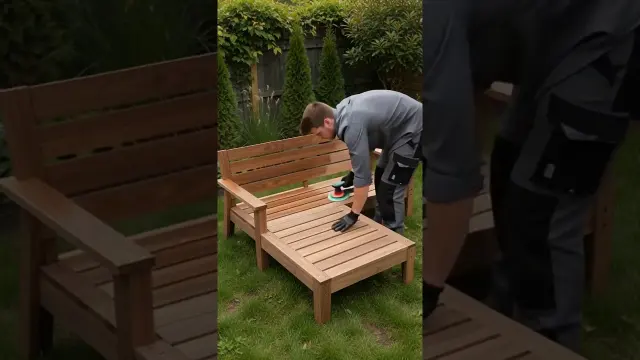
 Outdoor Pallet Sofa Garden Furniture Transformation
#Pallet Furniture
1 ideas
Outdoor Pallet Sofa Garden Furniture Transformation
Get new #Pallet Furniture ideas by email
Every Thursday: the week's best ideas, with the newest from #Pallet Furniture.
Related tags
Pallet Furniture Guide
Pallet furniture is furniture made from wooden shipping pallets, either in their original form or taken apart and rebuilt into something new. It has a practical, handmade look and is often chosen for its low-cost, adaptable character. Because pallets were originally designed to carry and stack goods, they are strong, simple in shape, and easy to rework into tables, benches, beds, shelves, planters, and outdoor seating.
The idea of reusing pallets for furniture comes from a wider tradition of making useful things from available materials. It fits well with upcycling, where objects are given a second life instead of being thrown away. That makes pallet furniture especially appealing if you like rustic, informal pieces with a visible handmade feel. It can work in gardens, patios, studios, and casual indoor spaces, depending on how it is finished.
Common styles and uses
Pallet furniture can look very different depending on how it is assembled and finished. Some pieces keep the stacked, blocky look of the original pallet, which gives a rustic or industrial feel. Others are carefully sanded, cut, and painted for a cleaner look. You may also see pallet furniture in farmhouse, boho, coastal, or minimalist interiors, since the basic structure can be adapted in many ways.
Read more
Typical uses include:
- Outdoor sofas and loungers
- Coffee tables and side tables
- Bed frames and headboards
- Shelving and storage units
- Plant stands and garden planters
- Benches and daybeds
Because pallets are modular, they are especially useful when you want furniture that can be scaled up or down to fit a space.
What to know before you start
If you are new to pallet furniture, the most important thing is to choose the right pallet and prepare it well. Not every pallet is suitable for indoor use. Look for clean, dry wood that is in good condition, without mold, heavy staining, or strong odors. Avoid anything that seems contaminated or damaged beyond repair.
Good preparation usually includes:
- Cleaning the wood thoroughly
- Sanding rough edges and splinters
- Checking for protruding nails or staples
- Cutting pieces carefully and measuring before assembly
- Sealing or finishing the surface if needed
For indoor pieces, comfort and stability matter as much as appearance. Pallet wood can be rough, so cushions, mattress toppers, or smooth finishing help make the furniture more pleasant to use. For outdoor pieces, a suitable protective finish can help the wood last longer and make cleaning easier.
Practical tips
Start with a simple project, such as a low table or bench, before moving on to larger pieces. This helps you understand how pallets are built and how much work is needed to make them sturdy and comfortable. Always plan for weight support, especially with seats, beds, and raised surfaces.
Keep these tips in mind:
- Measure your space before building
- Use proper fasteners for strength
- Sand well to avoid splinters
- Add felt pads or feet for indoor floors
- Choose cushions and fabrics that suit the setting
- Finish the wood evenly for a more polished look
Pallet furniture works best when you balance practicality with simplicity. If you treat the wood carefully and build with stability in mind, you can create pieces that are useful, characterful, and long-lasting.
#Pallet Furniture: frequently asked questions
How do I get started with pallet furniture if I have never built anything before?
Begin with a small, low-stakes piece such as a bench or a low table, because the structure is simple and mistakes cost you little. Working through a basic project teaches you how pallets are assembled, how much sanding and fastening the wood actually needs, and how sturdy the finished piece feels. Once you understand that, larger builds like sofas or bed frames become far less intimidating.
What should I look for when choosing a pallet for furniture?
Pick wood that is clean, dry, and in sound condition, with no mold, deep staining, or lingering smell, and reject anything that looks contaminated or broken beyond use. Keep in mind that not every pallet is appropriate for indoor furniture, so be selective rather than taking whatever is available free. Before building, clean the wood thoroughly, sand the rough edges, and check for nails or staples sticking out.
Which style of pallet furniture should I choose for my space?
Think about the setting first: an unpolished, blocky build suits gardens, patios, and industrial or rustic rooms, while pallets that are cut down, sanded, and painted read as cleaner and fit farmhouse, coastal, or minimalist interiors. The modular shape of pallets means you can usually size a piece up or down to match the room rather than settling for something that almost fits. Measuring the space before you commit to a design saves rework later.
How do I care for pallet furniture kept outdoors?
Wood left outside takes the brunt of weather, so a proper protective finish is what keeps a piece usable and makes routine cleaning easier. Apply the finish evenly across the whole surface rather than touching up patches, and reapply when the wood starts to look dry or worn. Cushions and fabrics should be chosen with the setting in mind, since outdoor conditions are hard on textiles.
What mistakes do people commonly make with pallet furniture?
The usual ones are skipping preparation and underestimating how much weight the piece has to carry. Rough, unsanded wood causes splinters and makes seating or sleeping surfaces uncomfortable, and weak or unsuitable fasteners undermine a build that otherwise looks fine. Measuring your space beforehand and building with stability in mind prevents the most frustrating outcomes.
What can I make with pallets for a garden or patio?
Outdoor sofas, loungers, benches, daybeds, and plant stands are all natural fits, since the pallet shape already lends itself to seating and raised surfaces. Planters and low tables are equally straightforward and give you a way to test a design before committing to a bigger piece. Whatever you build for outside, finish the wood so it stands up to the weather.
Videos come from YouTube and posts from Instagram; titles and summaries are our own. All rights belong to their creators.