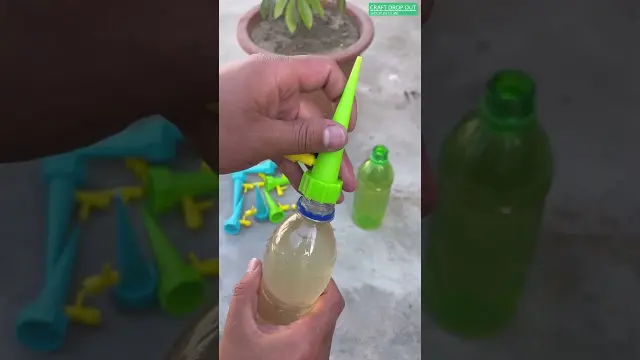
 Adjustable Bottle Drip Irrigation Spike for Plants
#Garden Tool
1 ideas
Adjustable Bottle Drip Irrigation Spike for Plants
Get new #Garden Tool ideas by email
Every Thursday: the week's best ideas, with the newest from #Garden Tool.
Related tags
Garden Tools: A Beginner's Guide to Choosing and Caring for Them
Garden tools are the implements we use to work the soil and the plants growing in it — from a hand trowel in a window box to a spade turned over in a vegetable plot. They have existed in some form since people first began cultivating land, and while materials have moved from wood and stone to forged steel, the basic logic has barely changed: a tool is a lever, a blade or a vessel shaped to make one job easier on the hands and the back.
The main families of tools
Digging and soil tools do the heavy work. Spades cut and lift, forks break up clods and loosen roots, hoes slice weeds at the surface, and trowels and dibbers handle planting at close range. A rake levels beds, gathers leaves and works compost into the top layer.
Cutting tools are the second broad family. Secateurs, loppers and pruning saws deal with branches, shears and edging tools with hedges and borders, and a sturdy knife or sickle with tougher growth. Good cutting tools share two qualities: a clean edge and a clean cut, because a ragged wound on a stem invites trouble.
Read more
Watering and spraying tools — cans, hoses, sprinklers, sprayers — carry moisture where it is needed. Simple drip and seepage aids that release water slowly near the roots belong here too, and they are useful for anyone who is away often or forgets to water.
Then there are the supporting items: wheelbarrows and buckets for carrying soil and clippings, gloves for hands, kneelers for knees, string and ties, stakes and labels.
What beginners should know
Buy fewer tools than you think you need, and buy the ones you do buy well. A cheap trowel that bends and a blunt pair of secateurs will sour the whole hobby; a solid fork, a decent spade and one sharp pair of pruners will carry you a long way. Handle tools before you commit to them — weight, grip size and handle length matter more than any label.
Match the tool to your own strength. Long-handled tools save the back, small heads are lighter to lift, and telescopic handles suit anyone who tires quickly. There is no prize for struggling with a spade that is too large.
Keeping them alive
Clean soil off tools after use and dry them before storage; wet metal rusts and wet wood warps. Sharpen blades regularly with a file or sharpening stone — a sharp blade cuts more safely than a dull one because it needs less force. Oil moving parts, tighten loose handles, and store everything under cover, hung up rather than piled on damp ground.
Finally, look after yourself as well as the tools. Wear gloves, wear sturdy shoes, lift with your legs, and put things away when you are tired. Garden tools should lighten the work, never punish the person holding them.
#Garden Tool: frequently asked questions
How do I start building a garden tool collection without overspending?
Begin with the jobs you actually do rather than a full matching set — a fork for breaking up soil, a spade for lifting, and one good pair of pruners will carry most beginners a long way. Add specialist items only when a specific task makes them necessary. Buying a few solid tools beats a drawer full of flimsy ones that bend or blunt quickly.
Should I choose long-handled or short-handled garden tools?
Long handles save your back when digging, raking or weeding over a large bed, while short handles give the control you want for planting, pricking out and close detail work. Telescopic or lightweight versions suit anyone who tires quickly or has less strength. Handle a tool before committing — grip size, balance and weight tell you more than any description on a label.
What is the right way to stop garden tools rusting?
Knock the soil off after each use and let everything dry fully before it goes away, since wet metal rusts and wet wood warps. Store tools hung up under cover rather than piled on damp ground, and wipe a little oil over blades and moving parts now and then. Tightening a loose handle early also stops a small wobble turning into a broken tool.
Why does sharpening make such a difference to cutting tools?
A dull blade needs force to get through a stem, which bruises the plant and leaves a ragged wound that invites trouble. A sharp edge slices cleanly with far less pressure, so the work is quicker and the tool is actually safer to use. A few passes with a file or sharpening stone keeps pruners, shears and hoes working properly.
What mistakes do people new to gardening tools make most often?
Buying too much too soon, and buying cheaply on the items that take the most strain, are the usual ones — a trowel that bends or blunted secateurs can sour the whole hobby. Choosing a tool that is too large or heavy for your own strength is another common slip. Leaving tools dirty and wet between sessions quietly shortens their life.
Is a slow-release watering spike useful if I often forget to water?
Yes — simple drip and seepage aids that release water gradually near the roots help containers and beds stay moist between visits, which is handy when you travel or garden in a hurry. They supplement watering rather than replace it, so check the soil now and then. They belong in the watering family along with cans, hoses and sprayers.
Videos come from YouTube and posts from Instagram; titles and summaries are our own. All rights belong to their creators.