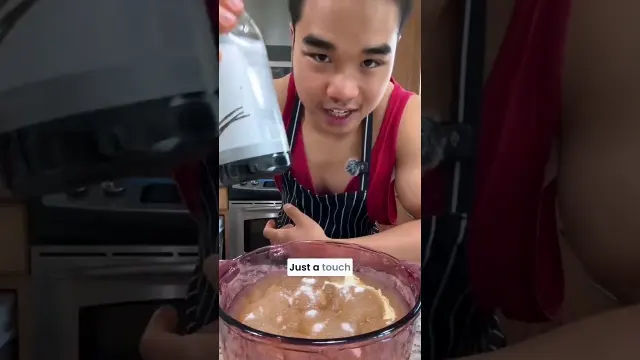
 High Protein Homemade Jello Recipe
#Gelatin Recipes
3 ideas
High Protein Homemade Jello Recipe
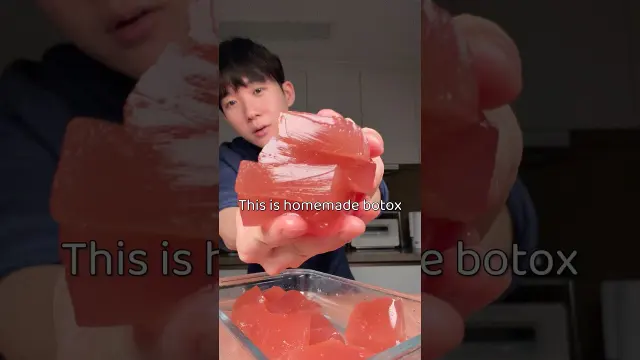 Homemade Collagen Jelly for Skin Care Routine
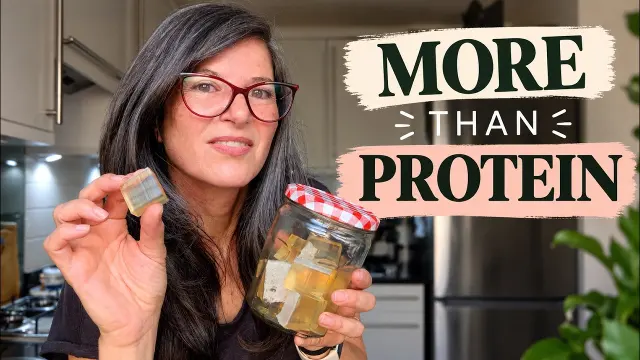 Simple Homemade Gelatin Cubes Recipe and Benefits
Get new #Gelatin Recipes ideas by email
Every Thursday: the week's best ideas, with the newest from #Gelatin Recipes.
Related tags
Gelatin Recipes and How to Use Them
What gelatin is
Gelatin is a natural setting agent made from collagen, the protein found in animal connective tissue. When it is dissolved in warm liquid and then cooled, it creates a soft, wobbly texture that is used in desserts, snacks, and some savory dishes. It has a long history in home cooking and traditional sweets, especially in recipes that need a clear, delicate set rather than a firm bake.
Because gelatin itself is flavorless, it takes on the taste of the liquid it is mixed with. That makes it very versatile. You can use it for fruit jellies, mousse, panna cotta, layered desserts, aspic, and simple cubes or shapes for children’s snacks and party treats.
Common kinds of gelatin recipes
Read more
Gelatin recipes can be sweet or savory. Sweet versions are the most familiar: fruit jelly, creamy molds, mousse, cheesecake fillings, and chilled desserts. Savory gelatin dishes are less common today, but they have a place in classic cooking, where stock, herbs, vegetables, or meat juices are set into a clear molded dish.
You may also come across powdered gelatin and sheet gelatin. Both do the same job, but they are handled differently. Powdered gelatin is usually softened in a little cold water before being dissolved. Sheet gelatin is soaked until soft, then squeezed and added to warm liquid. Whichever type you use, the key is gentle handling.
Basic technique
The most important rule is not to boil gelatin once it has been added. Very high heat can weaken its setting power. Instead, let it bloom in cold liquid first if your recipe calls for it, then stir it into warm liquid until fully dissolved. After that, the mixture is cooled and left to set in the fridge.
A few simple tips help a lot:
- Measure carefully, because too much gelatin can make a dessert rubbery.
- Stir until smooth, but avoid whisking in too much air unless the recipe needs a light texture.
- Give the mixture enough time to chill fully before unmolding or serving.
- If you want fruit in a gelatin dessert, choose fruit that works well in chilled dishes, and add it evenly so it doesn’t sink.
What beginners should know
If you are new to gelatin recipes, start with something simple like flavored jelly or fruit cubes. These are forgiving and help you learn how gelatin behaves. Once you are comfortable, you can move on to layered desserts or molded treats.
It also helps to think about texture. Gelatin can be made softly set for spoon desserts or more firmly set for shapes that need to hold their form. The balance depends on the amount used and the liquid base. Dairy, juice, stock, and purées all behave a little differently, so follow the recipe closely at first.
Practical tips for better results
Use a clean, cold container for setting, and choose a mold or dish that will release the dessert easily. Lightly greasing the mold can help, depending on the recipe. If you need to unmold a set dessert, a brief dip of the outside in warm water can help loosen it, but do this carefully so the edges do not melt.
Gelatin recipes reward patience. Once you understand the basic method, you can use it in many different ways, from elegant desserts to simple homemade treats.
Videos come from YouTube and posts from Instagram; titles and summaries are our own. All rights belong to their creators.