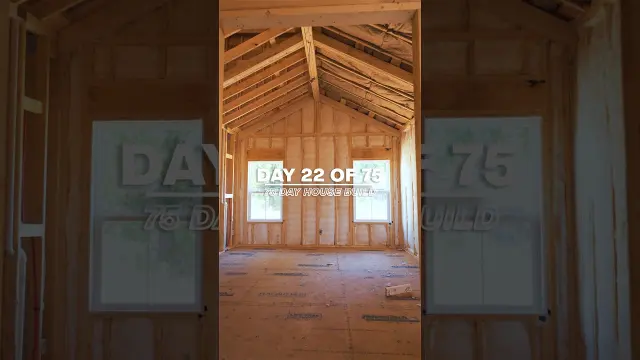
 Progress Update on a 75-Day House Construction Project
#General Contractor
1 ideas
Progress Update on a 75-Day House Construction Project
Get new #General Contractor ideas by email
Every Thursday: the week's best ideas, with the newest from #General Contractor.
Related tags
What a General Contractor Does and How to Work With One
A general contractor is the person or firm hired to take responsibility for a building project from start to finish. Rather than doing every task personally, a general contractor plans the work, hires and coordinates the specialist trades, orders materials, arranges inspections and keeps the schedule and budget on track. On a house build, a renovation or a commercial fit-out, the general contractor is the single point of contact between the owner and everyone working on site.
The role exists because construction is a sequence of interdependent jobs. Foundations must be finished before framing, framing before roofing, and the trades that run pipes and wires need to be in and out before walls are closed up. Someone has to decide the order, make sure the right people arrive on the right day, and resolve the moment when two of them need the same space at once. That coordination is the general contractor's core work.
Main ways the role is organised
- Design-bid-build: the owner commissions a design first, then contractors price the finished drawings and one is selected to build.
- Design-build: the same firm handles both design and construction, which can shorten the process and reduce gaps between plan and reality.
- Construction management: the contractor joins early as an adviser, managing the project on the owner's behalf rather than simply building to a fixed price.
- Cost-plus and fixed-price agreements: the first pays actual costs plus an agreed fee, the second sets a lump sum for defined work. Each shifts risk differently between owner and contractor.
Read more
What beginners should know
Get the scope in writing. A clear contract should describe the work, the drawings and specifications it relies on, the payment schedule, how changes are handled and who is responsible for permits. Verbal agreements and vague allowances are where most disputes begin.
Ask how changes are priced before you need one. Almost every project meets something unforeseen, and the difference between a calm adjustment and a costly argument is usually whether the process was agreed at the start.
Check licensing and insurance in your area, since requirements vary and are usually set locally. Ask for references from projects similar in size and type to yours, and speak to those clients directly rather than reading testimonials alone.
Keep a paper trail. Written change orders, dated photographs and a shared log of decisions protect both sides. Visit the site regularly, ask questions early and raise concerns as they arise rather than at the end.
Practical tips for a smoother project
Decide the big things before work begins: layout, finishes and fixtures that arrive late can stall a whole schedule. Keep a contingency in your budget, and treat the schedule as a living plan that weather, deliveries and inspections will occasionally move. Pay attention to communication: a contractor who explains delays plainly is worth more than one who promises everything will be fine.
Above all, remember the relationship is a partnership with a shared goal. Clear expectations, honest updates and a written record of what was agreed let you judge progress fairly, ask questions with confidence and finish with a home that matches what you set out to build.
#General Contractor: frequently asked questions
How do I start the process of hiring a general contractor for a building project?
Begin by defining the scope of your project in writing, including the work you want done and the drawings or specifications it depends on. Then look for contractors whose past projects resemble yours in size and type, and speak directly with their former clients rather than relying on testimonials alone. Before signing anything, confirm licensing and insurance requirements where you live, since these are usually set locally and vary from place to place.
What should a contract with a general contractor include?
A solid contract describes the work itself along with the drawings and specifications behind it, the payment schedule, and how changes will be handled. It should also state clearly who is responsible for obtaining permits. Vague allowances and verbal understandings are where most disputes start, so get everything in writing before work begins.
Which type of contractor arrangement should I choose: design-bid-build, design-build, or construction management?
It depends on how much design work is already settled and how involved you want to be. Design-bid-build suits owners who want a finished design first and then a fixed price to build it, while design-build puts both design and construction in one firm's hands and can close the gap between plan and reality. Construction management brings the contractor in early as an adviser, which helps when the project is complex or still taking shape.
How should I handle changes and unexpected problems once work is underway?
Ask at the outset how changes will be priced, so an unforeseen condition becomes a calm adjustment rather than an argument. Then keep a paper trail: written change orders, dated photographs and a shared log of decisions protect both sides. Raise concerns as they come up instead of saving them for the end.
What are common mistakes people make when working with a general contractor?
Leaving big decisions such as layout, finishes and fixtures until late is a frequent one, because items that arrive after work has started can stall the whole schedule. Another is treating the budget as fixed with no contingency, or the schedule as something that will never move. Skipping site visits and staying quiet about worries usually costs more than asking early.
How do I keep the relationship with my contractor on track through a long project?
Treat it as a partnership with a shared goal, and expect honest updates — a contractor who explains a delay plainly is more useful than one who promises everything is fine. Visit the site regularly, ask questions with confidence, and judge progress against what was written down. Clear expectations and a written record let you assess the work fairly and finish with what you set out to build.
Videos come from YouTube and posts from Instagram; titles and summaries are our own. All rights belong to their creators.