 Free Artificial Intelligence Certifications and Badges
#Generative AI
2 ideas
Free Artificial Intelligence Certifications and Badges
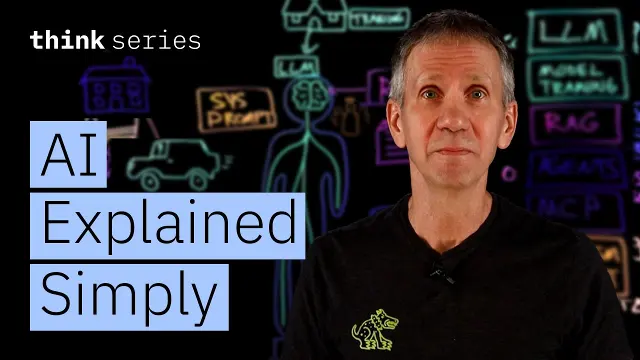 AI Simplified: 6 Concepts You Need to Know About Modern AI
Get new #Generative AI ideas by email
Every Thursday: the week's best ideas, with the newest from #Generative AI.
Related tags
Generative AI: a simple guide to creative AI
Generative AI is a type of artificial intelligence that can create new content instead of only sorting, classifying, or finding patterns. It can produce text, images, music, code, and other forms of digital content by learning from large amounts of example data. In simple terms, it tries to generate something new that follows the patterns it has learned.
What generative AI is
Unlike older forms of software that mainly follow fixed instructions, generative AI uses models that recognize relationships in data and then predict what should come next. That is why it can answer questions, write a paragraph, suggest an image, or continue a melody. It does not “understand” in the human sense, but it can be very useful for creative and practical tasks.
Where it comes from
Read more
Generative AI grew out of decades of work in machine learning, language processing, and computer vision. As models became larger and more capable, they started to handle more complex tasks and produce more natural-looking results. Today, generative systems are used in many areas, from writing support and design ideas to image editing and code assistance.
What it is used for
People use generative AI to brainstorm ideas, draft text, summarize information, create visual concepts, translate language, and speed up routine work. It can also help with learning, planning, and experimenting when you need a quick starting point.
Common uses include:
- writing first drafts, emails, or outlines
- generating illustrations or concept art
- suggesting captions, titles, or product descriptions
- helping with coding and debugging
- turning rough ideas into more polished versions
Main kinds and styles
Generative AI comes in different forms depending on the kind of content it creates. Some systems focus on language, some on images, some on audio, and some combine several types. The style of the output depends on the training data, the prompt you give, and the limits of the model.
You may notice that some tools are better at:
- formal writing
- conversational language
- realistic images
- stylized visuals
- structured information
What to know as a beginner
The most important thing to remember is that generative AI is a helper, not a guarantee of truth or quality. It can make mistakes, miss context, repeat patterns unfairly, or sound confident even when it is wrong. For that reason, it is best to check important facts yourself, especially for health, money, legal, or safety-related topics.
A few practical tips:
- be clear and specific in your prompt
- ask for a format, tone, or length if you need one
- review and edit the result instead of using it as final
- treat it as a starting point, not the finished answer
- be careful with private or sensitive information
A thoughtful way to use it
Generative AI works best when you use it as a creative partner. It can save time, open new ideas, and make difficult tasks feel easier, but your judgment still matters. If you stay curious, check the output, and guide it with clear instructions, you can make good use of its strengths without relying on it blindly.
Videos come from YouTube and posts from Instagram; titles and summaries are our own. All rights belong to their creators.