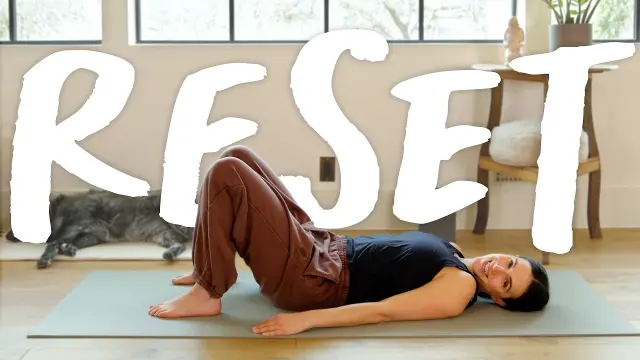
 Nervous System Reset with a 10 Minute Gentle Yoga Practice
#Gentle Yoga
3 ideas
Nervous System Reset with a 10 Minute Gentle Yoga Practice
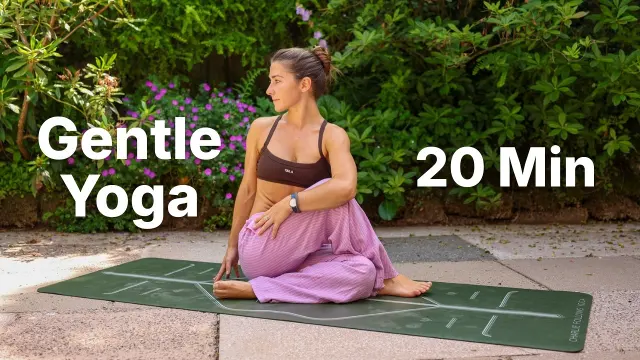 20 Minute Gentle Yoga Flow and Full Body Reset
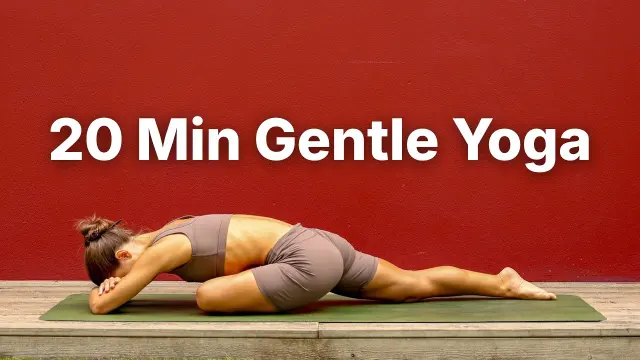 20 Minute Gentle Full Body Yoga Reset
Get new #Gentle Yoga ideas by email
Every Thursday: the week's best ideas, with the newest from #Gentle Yoga.
Related tags
Gentle Yoga: A Soft, Steady Practice for Every Body
Gentle yoga is a broad, descriptive name rather than a single fixed style. It covers any approach to yoga where the pace is slow, the postures are undemanding, and the aim is ease rather than effort. Where a vigorous class might move quickly through standing sequences and push toward a stretch, a gentle practice settles into a few shapes, held long enough for the body to soften, with props and modifications welcome at every point.
Its roots lie in the classical hatha tradition, which emphasises steady postures and conscious breathing over speed. Modern gentle yoga grew out of that lineage and out of the recognition that many people come to yoga carrying stiffness, fatigue, injury or simply a wish for less intensity. Teachers developed softer variations so the practice could meet people where they are rather than asking them to force their way in.
What a practice tends to look like
Sessions are usually built around a small number of poses: seated folds, simple twists, low lunge variations, reclining hip openers, and a long rest at the end. Poses often rest on bolsters, blocks or folded blankets so that muscles can let go instead of straining to hold a shape. Transitions are unhurried, and there is usually space to pause and breathe before moving on. Some classes stay entirely on the floor; others include a slow rise to standing with support nearby.
Read more
Who it suits
Gentle yoga is a reasonable starting point for complete beginners, for people returning after a long break, for those recovering from everyday stiffness, and for anyone who finds faster classes overstimulating. It is also a common choice during pregnancy and later in life, though in both cases it is worth checking with a qualified professional who knows your situation before starting something new.
What beginners should know
The most useful thing to learn early is the difference between sensation and strain. Gentle practice invites you into a stretch you could comfortably stay in for several breaths; sharp, pinching or radiating discomfort is a signal to ease back or come out. Props are not a beginner's crutch. They are how the practice stays gentle, and experienced students use them constantly.
Breath is the pace-setter. If your breathing becomes tight or you catch yourself holding it, the shape is too much for that moment. Coming out slightly and letting the breath settle is not a failure of the pose; it is the pose working as intended.
Consistency matters more than duration. A short session done regularly tends to serve better than an ambitious one you dread and skip. Ten or twenty minutes is enough to be worthwhile.
Finally, a word of care. Yoga is generally safe and gentle movement is among the least demanding forms, but no practice suits everyone. If you have a health condition, an injury, or are unsure how your body will respond, speak to a healthcare professional first. A good teacher will offer variations freely and never ask you to push past what feels right.
#Gentle Yoga: frequently asked questions
How do I start gentle yoga if I am a complete beginner?
Begin with simple floor-based shapes, slow transitions, and a few steady breaths in each pose. Focus on comfort rather than depth, and stop or adjust whenever the practice starts to feel forced.
What do I need for a gentle yoga practice?
A mat is helpful, and props such as blocks, blankets, or a bolster can make poses easier to rest in. Comfortable clothing and a quiet space are usually enough to get started.
Which kind of yoga is best if I want something calm and easy?
Look for classes described as gentle, slow flow, restorative, or beginner-friendly. These styles usually use fewer poses, more support, and a slower pace than more vigorous classes.
How should I care for my body during gentle yoga?
Use breath as your guide: if the breathing becomes tight or uneven, ease out of the shape a little. The goal is a comfortable stretch that softens the body, not a strong effort or a deep push.
What are some good occasions for gentle yoga?
It works well as a quiet morning reset, a calming break after a busy day, or a soft full-body unwind when you want less intensity. It is also a good choice when you want to move gently and leave the mat feeling settled.
What mistakes do people often make with gentle yoga?
A common mistake is assuming gentle means doing less carefully, when it really means moving with more awareness and support. Another is skipping props or pushing too far into a pose instead of letting the body stay relaxed and easy.
Videos come from YouTube and posts from Instagram; titles and summaries are our own. All rights belong to their creators.