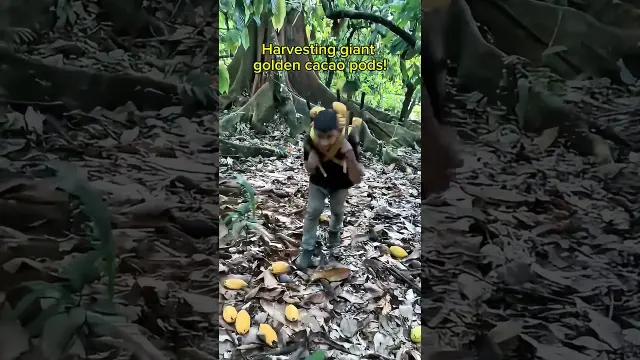
 Harvesting Giant Golden Cacao Pods in the Rainforest
#Harvesting
3 ideas
Harvesting Giant Golden Cacao Pods in the Rainforest
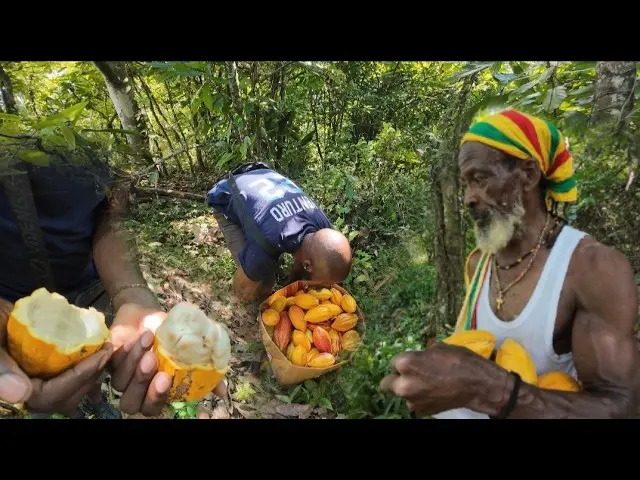 Harvesting Ripe Cocoa Pods in the Jamaican Countryside
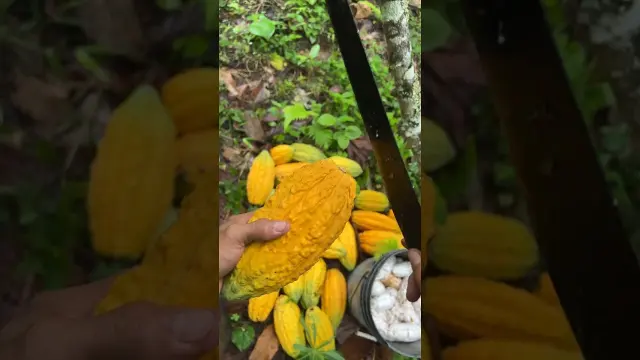 Harvesting and Splitting Fresh Yellow Cocoa Pods
Get new #Harvesting ideas by email
Every Thursday: the week's best ideas, with the newest from #Harvesting.
Related tags
Harvesting: When and How to Gather Crops
What harvesting means
Harvesting is the process of gathering crops, fruit, herbs, flowers, or other useful plant parts when they are ready to be used. It is one of the oldest farm tasks and a key step between growing and eating, drying, selling, or storing food. In some cases, harvesting means cutting the whole plant. In others, it means picking only the ripe parts and leaving the rest to keep growing.
When to harvest
The right time depends on the plant and the purpose. Some crops are harvested when they are young and tender, while others are picked only when they are fully mature. Many fruits are best gathered when their color, scent, size, or firmness shows they are ready. Herbs are often cut before flowering or just as flowers begin to form, depending on the flavor you want. For grains, seeds, and nuts, the plant usually needs to dry or ripen fully before gathering.
Read more
If you are unsure, it is better to check a small sample first. Harvesting too early can mean weak flavor, poor texture, or low quality. Harvesting too late can lead to overripening, splitting, spoilage, or losses from pests and weather.
Main ways to harvest
The method depends on the crop and the scale of the work.
- Hand harvesting: common for delicate fruit, vegetables, flowers, and many small crops. It allows careful selection and less damage.
- Cutting with tools: used for stems, stalks, herbs, grasses, and some leafy crops.
- Pulling or lifting: suitable for root crops and plants that come out of the soil easily.
- Shaking or stripping: sometimes used for crops that loosen easily when ripe.
- Mechanical harvesting: used on larger farms for certain crops that can be gathered efficiently by machine.
Good harvesting habits
Handle crops gently. Bruising, crushing, and rough piling can shorten shelf life and affect quality. Use clean, sharp tools when cutting, and keep containers clean and shaded if possible. Harvest during cooler parts of the day when plants are less stressed and produce stays fresher longer.
Sorting is also important. Remove damaged, overripe, or diseased pieces before storage or transport. This helps protect the rest of the harvest. If the crop needs drying, curing, or fermentation, follow the method that suits that plant, because post-harvest care can matter as much as picking itself.
For beginners
Start by learning the signs of ripeness for each crop you grow or buy. Watch color, texture, scent, and ease of detachment. Pick a little at a time when crops ripen unevenly, and keep notes on what worked well. Good harvesting is a mix of patience, observation, and gentle handling.
Whether you are picking from a garden, an orchard, or a field, harvesting is really about timing and care. Done well, it helps preserve flavor, quality, and the value of the crop.
#Harvesting: frequently asked questions
How do I know when something is ready to harvest?
Look for signs of ripeness such as color, scent, firmness, and how easily the crop comes away from the plant. Different plants are best picked at different stages, so it helps to check a small sample and compare it with the rest.
What do I need to start harvesting at home or in a garden?
Basic harvesting usually only needs clean, sharp cutting tools, a container for collecting the crop, and a plan for handling it gently. Shade, clean surfaces, and quick sorting also help keep the harvest fresh and in good condition.
Should I pick all crops the same way?
No, the best method depends on the plant and what part you are harvesting. Some crops are picked by hand, others are cut, pulled, or shaken free, and delicate fruits or flowers often need the gentlest touch.
What is the best way to care for produce after harvesting?
Handle it carefully to avoid bruising or crushing, and remove damaged or overripe pieces right away. If the crop needs drying, curing, or another post-harvest step, follow the method that suits that plant so quality lasts longer.
What are common mistakes people make when harvesting?
A frequent mistake is picking too early or too late, which can affect flavor, texture, and storage life. Another common issue is rough handling, which can shorten freshness and cause the crop to spoil faster.
How can I use harvesting ideas for a wedding, home display, or creative project?
Harvested flowers, herbs, fruits, and seed pods can be used for rustic table decor, seasonal arrangements, or natural styling in photo shoots and celebrations. Choosing items at their best stage of ripeness or color helps create a fresh, polished look.
Videos come from YouTube and posts from Instagram; titles and summaries are our own. All rights belong to their creators.