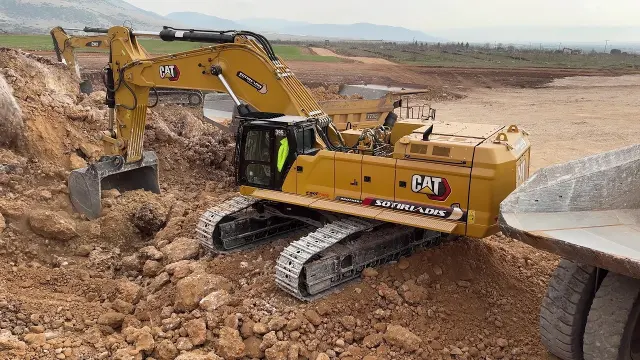
 Massive Caterpillar Heavy Equipment at Work
#Heavy Equipment
13 ideas
Massive Caterpillar Heavy Equipment at Work
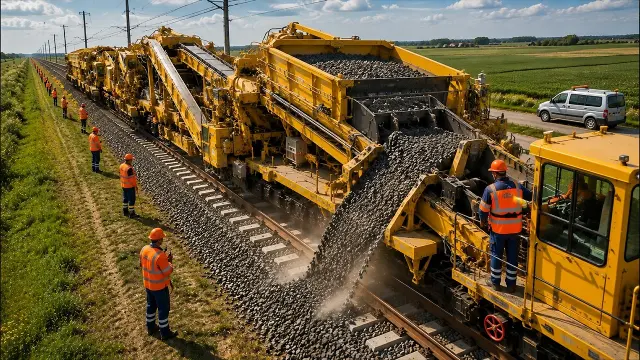 Advanced Railway Maintenance and Track Renewal Machines
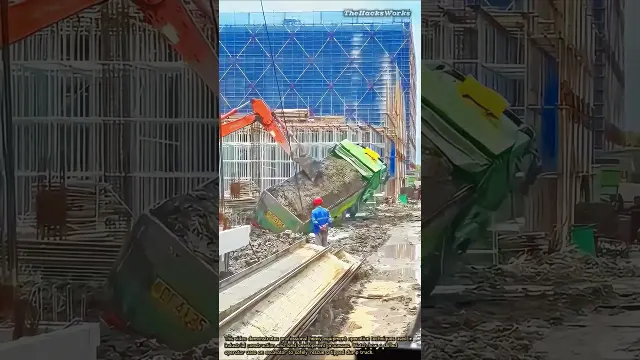 Excavator Rescuing a Tipped Dump Truck
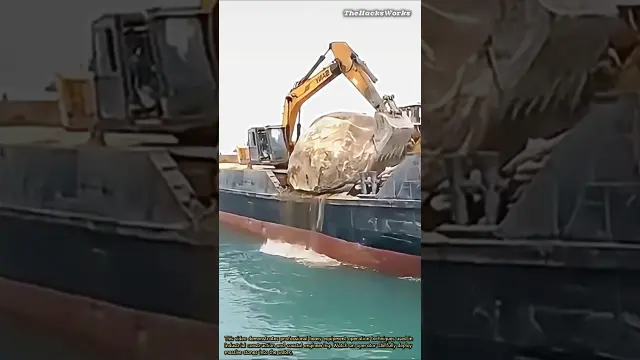 Excavator Operator Placing Armor Stones for Coastal Work
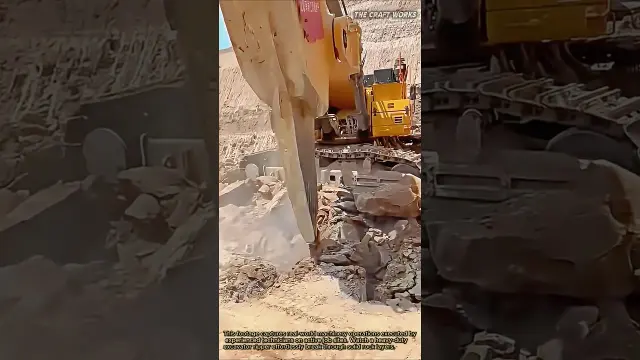 Heavy Excavator Ripper Breaking Solid Rock
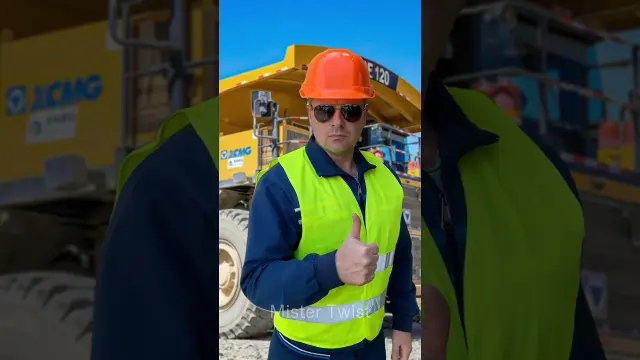 Giant Mining Dump Trucks and Massive Excavators
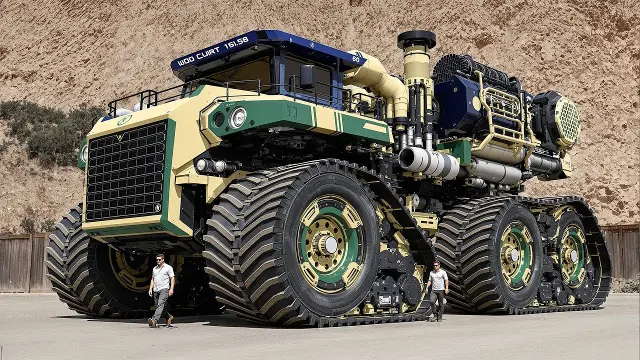 Multi-Million Dollar Heavy Equipment in Action
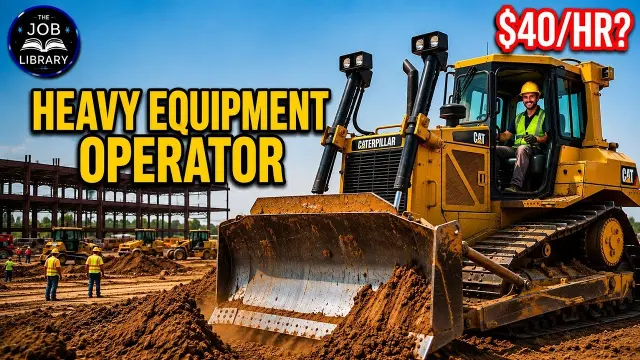 Guide to Becoming a Heavy Equipment Operator
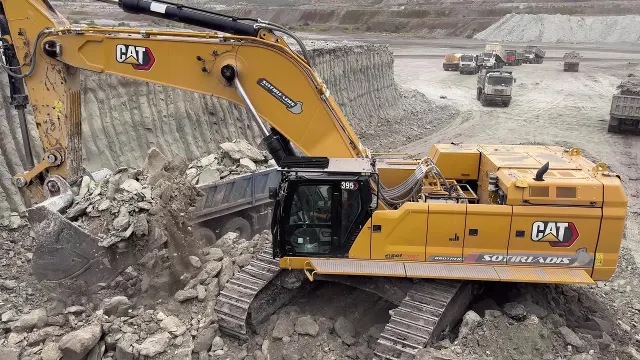 Feature-Length Heavy Equipment and Mining Operations
 NCCCO Mobile Crane Core Certification Exam Study Guide
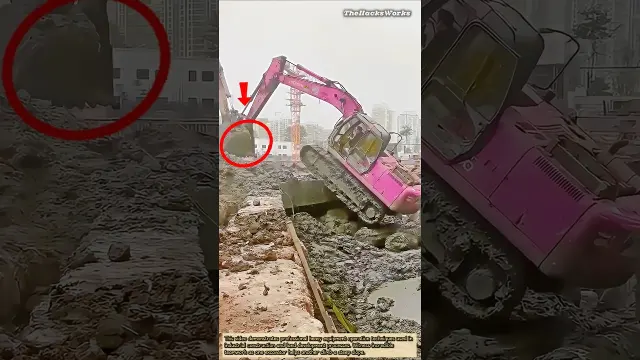 Excavator Teamwork on Steep Muddy Slopes
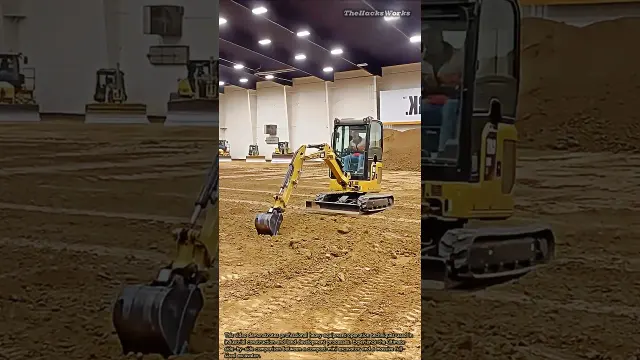 Size Comparison Between Mini and Full-Sized Excavators
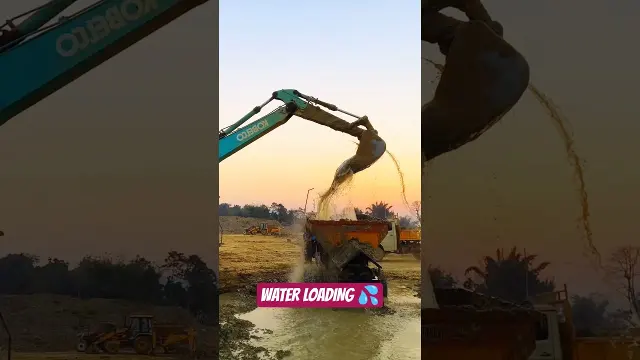 Excavator Loading Water Slurry into Dumper Truck
Get new #Heavy Equipment ideas by email
Every Thursday: the week's best ideas, with the newest from #Heavy Equipment.
Related tags
Heavy Equipment: Types, Uses, and Basics
Heavy equipment is the name for large, powerful machines used to move earth, lift heavy loads, build roads, shape land, and support major construction, mining, agricultural, and industrial work. These machines are designed to do jobs that would be slow, difficult, or impossible by hand. You usually see them on construction sites, in quarries, on farms, and in large-scale landscaping or infrastructure projects.
What heavy equipment includes
The term covers many different machines, each built for a specific task. Some of the most familiar types include excavators, bulldozers, loaders, backhoes, graders, rollers, dump trucks, and cranes. Though they may look similar in size and power, their functions are different. An excavator digs and lifts material, a bulldozer pushes and levels soil, a loader moves loose material, and a crane raises loads vertically.
Where it is used
Read more
Heavy equipment is essential anywhere large amounts of material must be moved or shaped. In construction, it helps prepare foundations, clear land, and build structures. In road work, it is used to grade surfaces, compact soil, and transport materials. In agriculture, equipment may be used for digging, hauling, and land preparation. In mining and quarrying, machines handle extraction and material movement in demanding conditions. Heavy equipment also plays a role in demolition, utility work, and disaster cleanup.
Main kinds and their roles
Different machines are built around different motions and tasks:
- Earthmoving equipment: used to dig, push, scrape, or level soil and rock
- Lifting equipment: used to raise and place heavy materials
- Material-handling equipment: used to carry, load, and unload bulk materials
- Road-construction equipment: used to grade, pave, and compact surfaces
- Specialized equipment: built for very specific jobs, such as trenching or drilling
Understanding the basic purpose of each machine helps you choose the right one for the job and avoid using equipment in ways it was not designed for.
What beginners should know
If you are new to heavy equipment, safety should always come first. These machines have blind spots, moving parts, and powerful force. Learn the controls slowly, understand the operator’s manual, and never assume a machine reacts the same way as another one. Even similar equipment may handle differently.
A few basic habits make a big difference:
- Always inspect the machine before use
- Make sure the work area is clear of people and obstacles
- Use seat belts and other safety features correctly
- Keep loads within the machine’s limits
- Move slowly on uneven ground
- Communicate clearly with spotters and other workers
Practical tips
Heavy equipment works best when it is properly maintained and used with care. Regular checks for fluid levels, wear, damage, and tire or track condition help prevent problems. Clean machines are easier to inspect and often last longer. Good operator training matters just as much as the machine itself, because skill and awareness help protect both people and equipment.
Whether you are learning about the field or planning to work around these machines, the most important thing to remember is that heavy equipment is powerful, useful, and unforgiving. Respecting its size and limitations is the key to safe, effective work.
Videos come from YouTube and posts from Instagram; titles and summaries are our own. All rights belong to their creators.