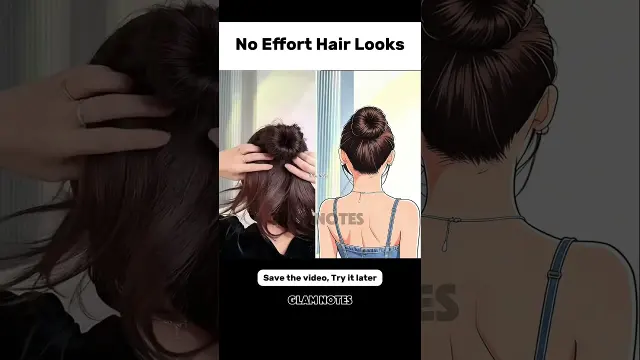
 Easy High Bun Hairstyle Tutorial for Long Hair
#High Bun
1 ideas
Easy High Bun Hairstyle Tutorial for Long Hair
Get new #High Bun ideas by email
Every Thursday: the week's best ideas, with the newest from #High Bun.
Related tags
High Bun Hairstyle Guide
A high bun is a hairstyle where the hair is gathered and secured high on the head, usually at or above the crown. It is a classic way to keep hair off the face and neck while creating a polished, tidy silhouette. You can wear it for everyday routines, practical moments, or more dressed-up occasions, depending on how smooth, loose, or full you make it.
What a high bun is
The high bun has been worn in many forms across different cultures for a long time. Its appeal is simple: it is neat, versatile, and flattering on many face shapes. A high bun can be very sleek and controlled, or soft and slightly undone. It can also be positioned more centrally or slightly higher for a lifted look.
There is no single correct way to wear it. Some versions are meant to look precise, while others are intentionally relaxed with pieces left free around the face. Hair length, texture, and thickness all affect the final result.
Read more
Main types of high buns
- Sleek bun: smooth, tight, and close to the head. This style looks clean and elegant.
- Messy bun: looser, softer, and less structured. It often has texture and a casual feel.
- Voluminous bun: made fuller by teasing, padding, or simply using more hair. It creates a larger shape.
- Twisted bun: hair is twisted before being wrapped into a bun, which gives a more defined look.
- Braided bun: braids are gathered into the bun or wrapped around it for extra texture and detail.
How to create one
Start with brushed hair and decide whether you want a smooth or relaxed finish. Gather the hair high on the head and secure it with an elastic. Then twist, wrap, or loop the length around the base, depending on the style you want. Use hairpins or another elastic to hold the bun in place.
If your hair is very clean and slippery, a little texture can help it stay put. If your hair is thick, you may find it easier to divide it into sections before wrapping. If it is shorter, a smaller bun or a tucked version may work better.
Practical tips for beginners
- Use a mirror to check the placement before securing the bun.
- Keep the bun balanced so it does not feel too tight in one spot.
- Leave a few soft strands free if you want a gentler look.
- For a sleeker result, smooth the hair before gathering it.
- For a fuller bun, gently widen the wrapped shape after securing it.
- If the bun feels heavy, lower the tension and use more support pins.
A high bun works best when it feels comfortable as well as secure. You may need a little practice to find the height, tightness, and shape that suit your hair and face.
When to wear it
A high bun can be practical for work, study, travel, exercise, or warm weather, but it can also look refined enough for more formal settings. The same basic style can be adapted simply by changing the finish. A sleek high bun feels more polished, while a looser one feels softer and more relaxed.
If you want a hairstyle that is simple, adaptable, and timeless, the high bun is a reliable choice.
#High Bun: frequently asked questions
How do I get started with a high bun if I have never worn one before?
Begin with hair that has been brushed through and detangled, then decide whether you want the finish smooth or softly relaxed, since that choice shapes everything that follows. Gather the hair high on the head, secure it with an elastic, and wind the length around the base before pinning it down. Checking the placement in a mirror before you commit helps you avoid a lopsided result.
What do I actually need on hand to make a high bun stay up?
The essentials are simple: something to brush the hair smooth, an elastic for the base, and a few pins to anchor the wrapped shape. A light touch of texture helps slippery, freshly washed hair grip, while a second elastic can hold everything if your hair is long or heavy. You do not need special equipment, though a mirror makes it easier to keep the bun balanced.
Which type of high bun should I choose for my hair and the look I want?
Pick based on the finish first. A sleek bun reads polished and formal, a messy bun feels casual, and a voluminous or braided version adds shape and detail. Then factor in your hair itself: thick hair is easier to manage when divided into sections, while shorter hair lends itself to a smaller or tucked bun.
How can I make a high bun feel less tight and heavy?
Tension is usually the culprit, so loosen the hold rather than forcing the bun higher or tighter. Spreading the weight with additional support pins lets you ease off the elastic without the style collapsing. Adjusting until the bun feels balanced on the head matters more than achieving a specific height.
Is a high bun appropriate for a dressed-up occasion, or is it only for everyday wear?
The same basic bun can go either way, which is part of why it stays useful. Keep it smooth and close to the head for a formal or elegant setting, and leave it softer with a few loose strands for something relaxed. Because only the finish changes, it is an easy style to adapt when your plans shift.
What mistakes should I watch out for when styling a high bun?
The most common slips are placing the bun without checking it in a mirror first and pulling it so tight that it feels uncomfortable in one spot. Gathering very clean hair without any grip also makes the style slide, and thick hair that is not sectioned can end up lumpy. A little practice is usually all it takes to find the height and tightness that suit you.
Videos come from YouTube and posts from Instagram; titles and summaries are our own. All rights belong to their creators.