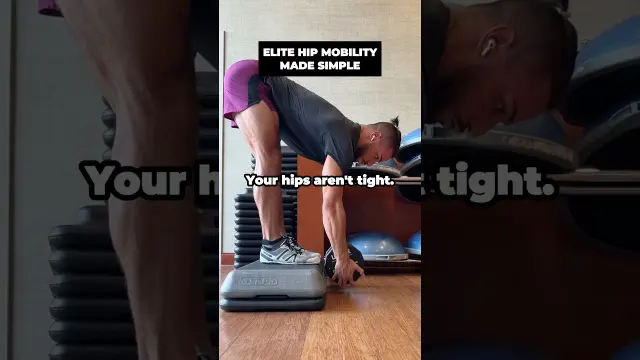
 Elite Hip Mobility Routine Focusing on Flexors and Hamstrings
#Hip Flexors
2 ideas
Elite Hip Mobility Routine Focusing on Flexors and Hamstrings
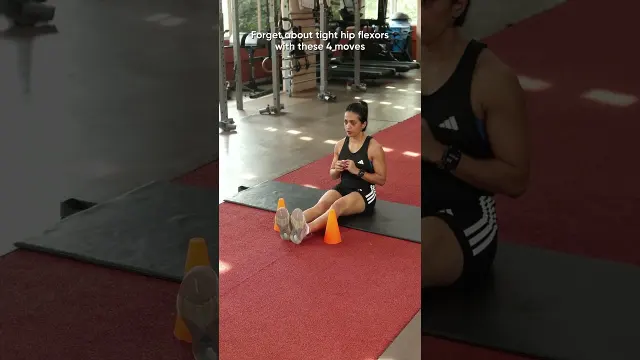 Four Simple Moves to Relieve Tight Hip Flexors
Get new #Hip Flexors ideas by email
Every Thursday: the week's best ideas, with the newest from #Hip Flexors.
Related tags
Hip Flexors: What They Do and How to Keep Them Mobile
The hip flexors are the group of muscles at the front of your hip that lift your thigh toward your torso. You use them every time you take a step, climb a stair, or simply stand up from a chair, which makes them easy to ignore until they start to feel stiff.
What the group actually includes
The best known of the hip flexors is the iliopsoas, a deep muscle that runs from the lower spine and pelvis down to the top of the thigh bone. Alongside it sit the rectus femoris, which is also part of the quadriceps, and the sartorius and tensor fasciae latae, which cross the hip joint too. They work together with your abdominal muscles and glutes to hold your pelvis steady. When one side of that arrangement does more work than the other, you feel it as a pull at the front of the hip or a low ache in the back.
Why they get tight
Read more
Most of the time it is not a lack of stretching but too much sitting. When you spend hours with your hips folded at roughly a right angle, the muscles stay in a shortened position and gradually get used to it. Running, cycling and kicking sports can also leave them feeling worked. Sometimes stiffness is really a strength question: a hip flexor that has to compensate for weaker glutes will feel tight even when it is not short.
What helps
Start with movement rather than force. A few standing hip extensions, a slow kneeling lunge where you tuck your tailbone under and breathe, or a gentle bridge can all give the front of the hip some length. Hold each for a comfortable breath or two rather than pushing into a stretch, and stop before anything pinches.
Then strengthen what supports the hip. Bridges, dead bugs and slow marches train the glutes and deep abdominals so the flexors do not have to hold everything. If you sit a lot, stand up and walk for a minute every so often; frequency matters more than intensity.
Be careful with deep backbends and aggressive stretches that arch the lower back, since they can feel like hip opening when the movement is really happening in the spine. Keep the ribs down and the pelvis neutral as you work.
A note on pain
Mild stiffness after sitting usually settles with movement. Sharp pain, clicking that hurts, or pain that spreads down the front of the thigh is worth having looked at by a qualified professional, especially if it lingers. If you are pregnant, recovering from injury or surgery, or new to exercise, ask for guidance before starting a stretching routine.
Treat your hip flexors as part of a whole: they respond well to regular, unhurried movement, a bit of strength work, and fewer hours spent folded into a chair.
#Hip Flexors: frequently asked questions
How do I start if the front of my hips feels stiff?
Begin with gentle movement rather than forcing a deep stretch. A standing hip extension, a slow kneeling lunge with the tailbone tucked, or a soft bridge gives the front of the hip some length without pushing. Stop before anything pinches or pinches sharply, and let the breath set the pace.
What do I actually need to work on hip flexors at home?
Nothing beyond a bit of floor space and something soft to kneel on. The useful mix is a little lengthening for the hip flexors plus strengthening for the glutes and deep abdominals, since those are what steady the pelvis. Bridges, dead bugs and slow marches cover the strength side with no equipment at all.
Should I stretch or strengthen tight hip flexors?
Often both, and the strength side is the one people skip. A hip flexor that is compensating for weaker glutes can feel tight without actually being short, so stretching alone tends to disappoint. Pairing gentle lengthening with glute and abdominal work addresses the reason it feels tight in the first place.
How do I look after hip flexors through a normal day?
The biggest factor is usually how long you stay folded into a chair, not how diligently you stretch. Getting up and walking around regularly does more than one long session, because frequency beats intensity here. Keeping the ribs down and the pelvis neutral during any backbend or lunge also stops the movement drifting into the lower back.
What mistakes should I avoid?
Deep backbends and aggressive stretches are the common ones, since they can feel like hip opening when the movement is really happening in the spine. Pushing into a stretch until it pinches, or chasing a big range before the supporting muscles are ready, tends to set things back. Mild stiffness after sitting usually eases with easy movement, but sharp pain, painful clicking or pain spreading down the front of the thigh is worth having checked by a qualified professional.
Videos come from YouTube and posts from Instagram; titles and summaries are our own. All rights belong to their creators.