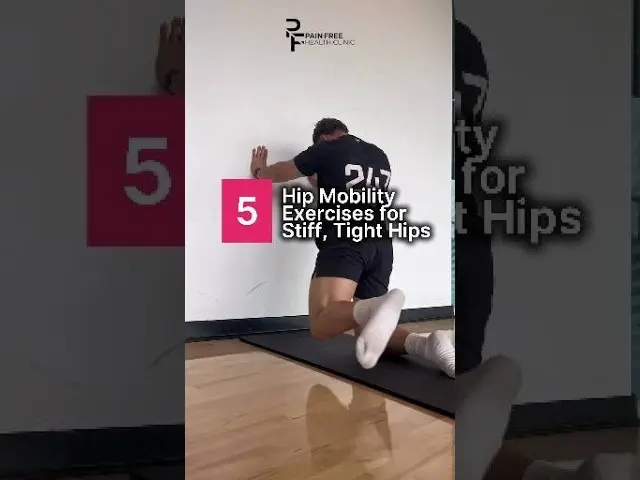
 Five Hip Mobility Exercises for Stiff and Tight Hips
#Stretching Exercises
3 ideas
Five Hip Mobility Exercises for Stiff and Tight Hips
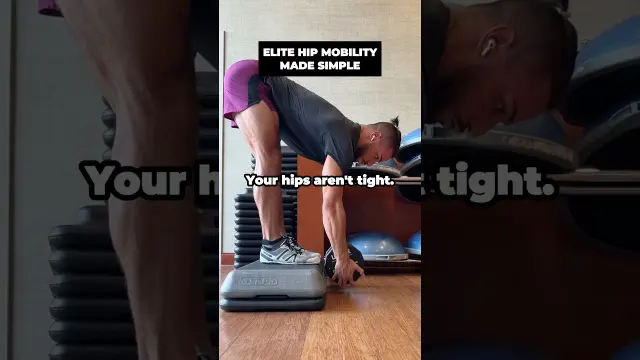 Elite Hip Mobility Routine Focusing on Flexors and Hamstrings
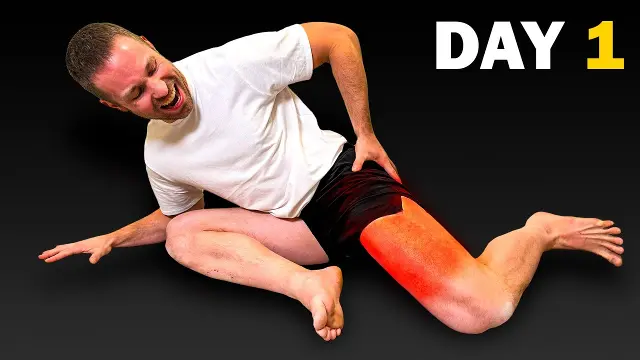 Three Effective Hip Mobility Drills Better Than Stretching
Get new #Stretching Exercises ideas by email
Every Thursday: the week's best ideas, with the newest from #Stretching Exercises.
Related tags
Stretching Exercises for Everyday Flexibility
Stretching exercises are a simple way to keep your body feeling mobile, comfortable, and ready for everyday movement. They involve lengthening a muscle or muscle group by moving a joint into a position that creates a gentle pull. People stretch for many reasons: to loosen up after sitting, to support exercise, to improve range of motion, or simply to feel less stiff.
Stretching has been part of physical training and daily movement practices for a very long time. It appears in warm-ups, cool-downs, dance, yoga, martial arts, and rehabilitation-style routines. While different traditions use different shapes and methods, the basic idea is the same: move slowly, breathe steadily, and avoid forcing the body past a comfortable point.
Common kinds of stretching
There are a few main types of stretching exercises:
Read more
- Static stretching: you hold a gentle position for a period of time. This is common after exercise or during a relaxed mobility routine.
- Dynamic stretching: you move repeatedly through a controlled range, such as arm circles or leg swings. This is often used as part of a warm-up.
- Active stretching: you use one muscle group to hold a stretch without outside help.
- Passive stretching: you use support, gravity, or another surface to help you hold the position.
Each type has its place. Dynamic stretching is usually better before activity, while slower static stretches often feel better after movement or at the end of the day.
How to stretch well
Good stretching is not about pain or pushing hard. You should feel a mild to moderate pull, not sharp pain, numbness, or pinching. Breathe normally and try to relax into the position instead of bouncing or jerking.
A few simple habits help:
- Warm your body first with a short walk or light movement if you can.
- Hold each stretch steadily and keep the rest of your body relaxed.
- Stretch both sides, even if one side feels tighter.
- Move slowly out of each stretch to avoid straining.
If a stretch feels wrong for your joints or causes discomfort in a specific area, stop and try a gentler version.
Good beginner stretches
A balanced routine often includes the main areas that become tight from sitting, standing, or repetitive movement:
- Neck and shoulders
- Chest
- Back
- Hips
- Hamstrings
- Calves
- Ankles
You do not need a long routine to benefit. A few minutes of consistent stretching can be more useful than an occasional long session.
Practical tips for beginners
Start small and stay consistent. It is easier to build a habit if stretching feels manageable. You can stretch in the morning, after exercise, or during a break from sitting. If you are new to stretching, choose simple positions and keep them gentle. Over time, your body may begin to feel more open and easier to move, but progress is usually gradual.
Most importantly, let stretching support your body rather than test it. When you approach it calmly and regularly, it can become one of the simplest ways to care for your movement every day.
#Stretching Exercises: frequently asked questions
How do I start a stretching routine if I’m a beginner?
Start with a few simple stretches for the neck, shoulders, chest, back, hips, hamstrings, calves, and ankles. Keep the movements gentle and consistent, and build the habit with short sessions that feel easy to repeat.
What should I do before stretching?
A little light movement first can help your body feel more ready, like walking or gentle joint movement. Warming up is especially helpful if you plan to do deeper or more controlled stretches.
Which type of stretching should I choose: dynamic or static?
Dynamic stretching is usually a better choice before exercise because it moves the body through a controlled range. Static stretching often feels better after activity or later in the day when your body is already warm and you want to relax.
What equipment do I need for stretching exercises?
Most stretching routines need very little or nothing at all. A comfortable space, supportive clothing, and sometimes a wall, chair, or mat are enough to help you hold positions safely and steadily.
What are the most common mistakes people make when stretching?
A common mistake is pushing too hard or bouncing into a stretch, which can make it feel uncomfortable instead of helpful. It also helps to avoid holding your breath or ignoring one side of the body while stretching the other.
Can stretching help when I feel stiff after sitting or being inactive?
Yes, gentle stretching can be a simple way to ease that tight feeling and help your body move more comfortably. Focus on slow, relaxed movements for the areas that usually feel tight, like the hips, back, shoulders, and hamstrings.
Videos come from YouTube and posts from Instagram; titles and summaries are our own. All rights belong to their creators.