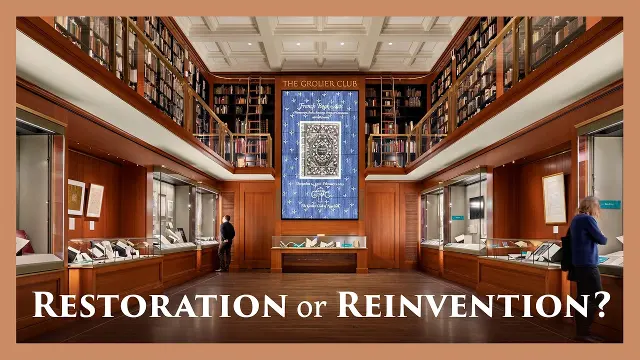
 Innovative Approaches to Historic Building Preservation
#Historic Architecture
17 ideas
Innovative Approaches to Historic Building Preservation
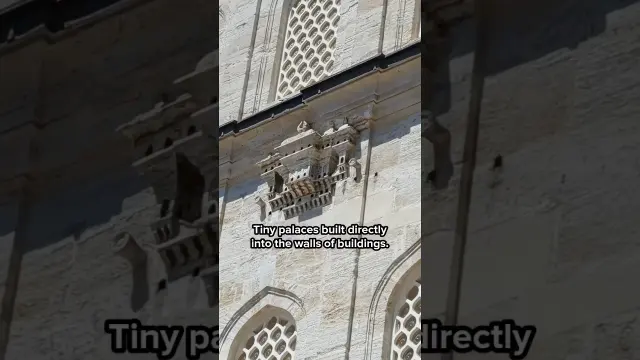 The Historic Ottoman Bird Palaces Built into Public Buildings
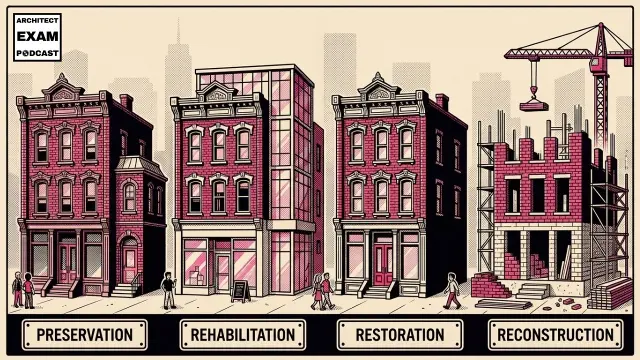 Four Approaches to Historic Preservation and Rehabilitation
 Architectural Walking Tour of Chicago Landmarks
 Inside the Billion-Gallon Underground Lake Beneath Bonne Terre, Missouri
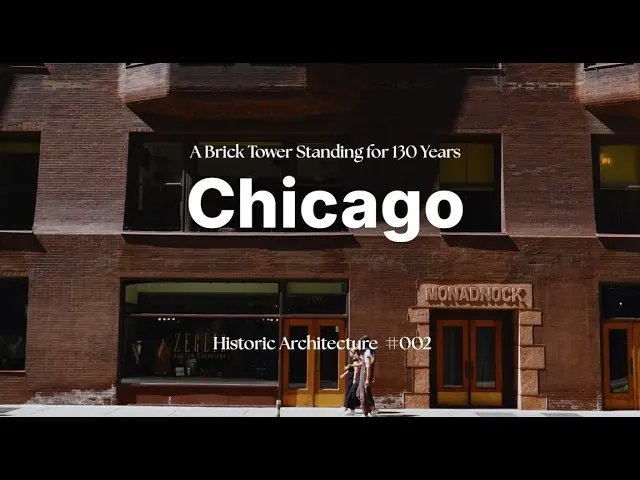 Exploring the 130-Year-Old Monadnock Building in Chicago
 East Meets West in Macao's Historic Architecture
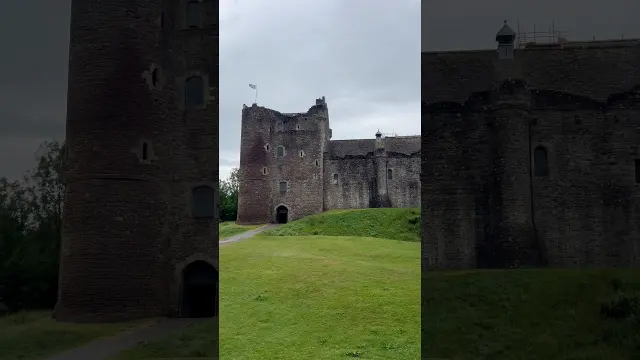 Exploring Doune Castle: One of Scotland's Greatest Medieval Fortresses
 The History and Revival of Brutalist Architecture
 Architectural Historian Reacts to Unsold Historic Mansions
 Architectural Walking Tour of New York City Secrets
 Tour of America's Historic Architecture in Natchez
 Inside a Historic New York City Building and Apartment
 Why Historic English Houses Have Bricked-Up Windows
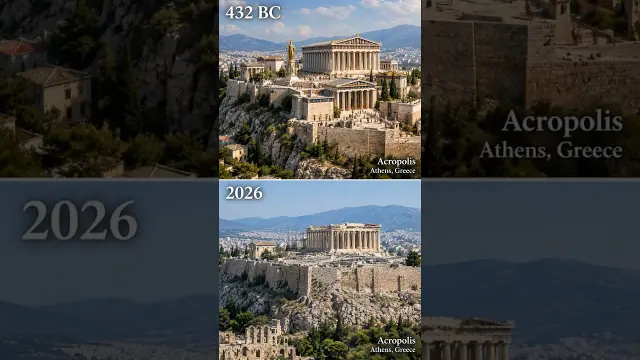 Historical Places Then and Now: Two Thousand Years of Architecture
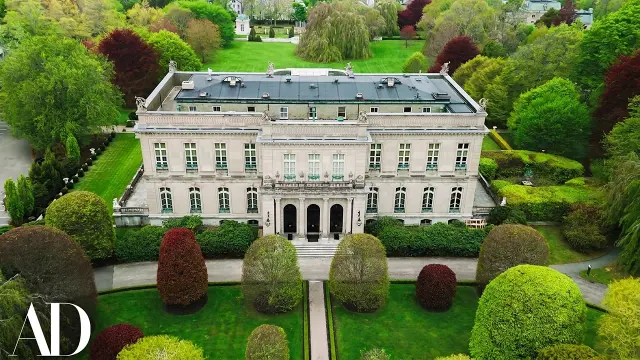 Inside a Gilded Age Mansion Designed to Hide Servants
Get new #Historic Architecture ideas by email
Every Thursday: the week's best ideas, with the newest from #Historic Architecture.
Related tags
Historic Architecture: Styles, Features, and Meaning
Historic architecture is the built record of human history. It includes buildings, monuments, bridges, fortifications, homes, and civic spaces that were designed in earlier periods and have survived, been restored, or influenced later work. When you look at historic architecture, you are looking not only at structure and style, but also at the materials, skills, beliefs, and daily life of the people who made it.
What historic architecture includes
Historic architecture covers many kinds of buildings, from ancient stone temples and medieval castles to classical town houses, churches, market halls, and industrial buildings. Some are admired for grandeur, while others matter because they show how ordinary people lived. A building does not have to be large or famous to be historically important.
The term can also describe architecture that represents a particular period or tradition. This might include Roman, Gothic, Renaissance, Baroque, Georgian, Victorian, colonial, vernacular, or modern historic buildings, depending on place and context. Each style reflects the materials, techniques, and ideas of its time.
Read more
Common styles and features
Different traditions have recognizable features, though many buildings mix influences. For example, classical architecture often uses symmetry, columns, pediments, and balanced proportions. Gothic buildings are known for pointed arches, tall windows, ribbed vaults, and vertical emphasis. Renaissance design tends to favor harmony, order, and references to classical forms. Baroque architecture often feels more dramatic, with curved lines, rich ornament, and strong contrasts.
Vernacular architecture is just as important. This refers to buildings shaped by local needs and available materials rather than formal architectural theory. Stone, timber, brick, adobe, or thatch may be used depending on climate and region. These buildings often show practical wisdom: thick walls for insulation, deep eaves for rain, or small windows for protection from heat or cold.
What to notice when you study it
If you are new to historic architecture, start by observing a few simple things:
- The shape and overall plan of the building
- The materials used and how they were joined
- The roofline, windows, doors, and decorative details
- Signs of later change, repair, or reuse
- How the building fits its surroundings
Try to think about function as well as style. A church, fortress, home, palace, barn, or factory will each be built differently because it serves a different purpose. Historic architecture becomes more meaningful when you connect form to everyday life.
Practical ways to appreciate it
When you visit historic places, take your time and look closely. Notice how light moves across stone or brick, how openings are arranged, and how scale affects the feeling of a space. If a building has been altered, look for seams between old and new work. Reused stones, patched walls, and changed windows can reveal a long life of adaptation.
It also helps to remember that preservation is part of the story. Many historic buildings have survived because people repaired, reused, or protected them across generations. Others remain only in ruins, but even ruins can show layout, craftsmanship, and the power of a place.
Historic architecture invites patience. The more closely you look, the more you see how design, craft, and history are tied together.
Videos come from YouTube and posts from Instagram; titles and summaries are our own. All rights belong to their creators.