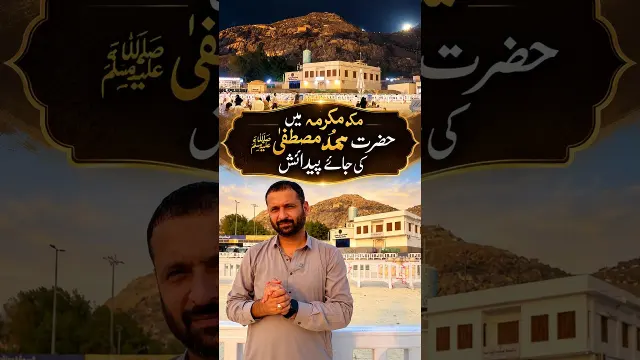
 Visiting the Birthplace of Prophet Muhammad in Makkah
#Historical Sites
1 ideas
Visiting the Birthplace of Prophet Muhammad in Makkah
Get new #Historical Sites ideas by email
Every Thursday: the week's best ideas, with the newest from #Historical Sites.
Related tags
Historical Sites: A Guide to Places from the Past
Historical sites are places that connect you with the past. They can be ancient ruins, old houses, battlefields, religious landmarks, monuments, streets, castles, museums, or whole neighborhoods that have kept their historic character. Some are important because of architecture, some because of events that happened there, and some because they reflect the everyday lives of people long ago.
These places come in many forms. Archaeological sites preserve remains from earlier civilizations, while preserved buildings show how people once lived, worked, or worshipped. Memorial sites help us remember significant events and the people involved. Cultural landscapes, such as old town centers or traditional villages, show how communities shaped their surroundings over time. Even a simple bridge or marketplace can become historical if it tells a meaningful story.
Visiting historical sites can be a way to learn, reflect, and feel connected to different periods and cultures. For many people, these places offer a stronger sense of history than books alone because you can see the scale, materials, and setting for yourself. They can also be deeply personal, especially when they are linked to family history, faith, migration, or national identity.
What to expect
Read more
Every site is different. Some are carefully restored and easy to walk through. Others are fragile, partly ruined, or protected to prevent damage. You may find signs, guided tours, exhibitions, or quiet spaces for reflection. In many places, access is limited to certain areas, so it helps to follow local rules and stay on marked paths.
Common kinds of historical sites
- Ancient ruins and archaeological remains
- Castles, forts, and defensive walls
- Religious and sacred places
- Historic homes, palaces, and civic buildings
- Memorials, cemeteries, and monuments
- Old districts, streets, and marketplaces
- Industrial sites that show older ways of working
How to visit with care
When you visit a historical site, the most important thing is respect. Many of these places are fragile, meaningful, or still in use. Avoid touching surfaces if signs ask you not to, do not climb on ruins, and keep noise low where people are praying, mourning, or reflecting. Photography may be restricted in some areas, so always check first.
It also helps to learn a little before you go. Knowing the basic history of a place makes the experience richer and can help you understand why it matters. If the site has an entry fee or donation option, that often supports conservation and upkeep.
For beginners
If you are new to historical travel, start with one place at a time and take your time there. Read the signs, ask questions if guides are available, and notice small details like materials, carvings, wear, and layout. A historical site is not only about what still stands, but also about the lives, beliefs, and events it represents.
The best way to enjoy these places is with curiosity and care. When you slow down, historical sites become more than landmarks. They become windows into human memory, creativity, and endurance.
Videos come from YouTube and posts from Instagram; titles and summaries are our own. All rights belong to their creators.