 Setting Up a Dream Home Espresso Machine and Making Lattes
#Home Barista
5 ideas
Setting Up a Dream Home Espresso Machine and Making Lattes
 Best Espresso Machines for Home from Beginner to Advanced
 A Handy Guide to Popular At-Home Coffee Brewing Methods
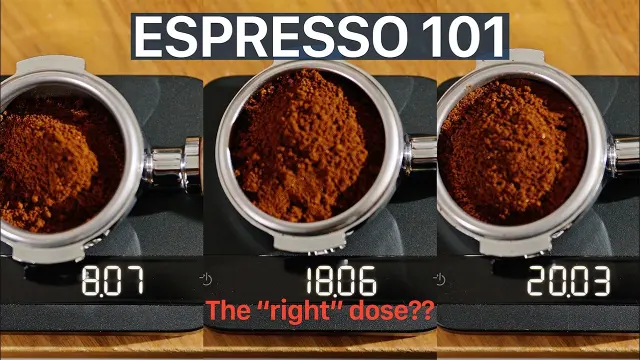 Espresso 101 How to Pull a Great Shot of Coffee
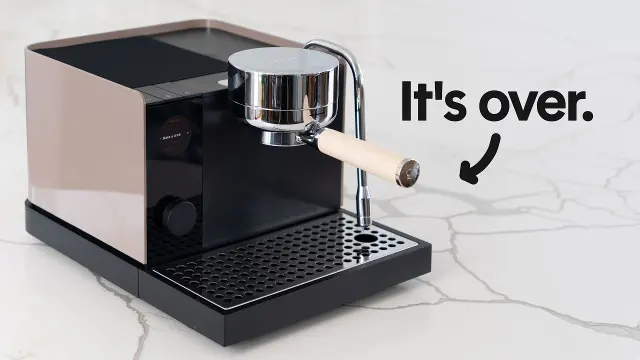 First Look at the Fellow Series 1 Home Espresso Machine
Get new #Home Barista ideas by email
Every Thursday: the week's best ideas, with the newest from #Home Barista.
Related tags
Home Barista Guide
What home barista means
Being a home barista simply means making café-style coffee in your own kitchen. It can be as simple as brewing a good cup with a filter cone, or as involved as dialing in an espresso machine, grinder, and milk frother. The appeal is not just convenience. Making coffee yourself gives you control over strength, flavor, temperature, and milk texture, so you can match the drink to your taste.
Coffee has long been prepared at home in many forms around the world, from stovetop brewing to finely ground espresso. Today, the home barista approach brings those traditions together with a focus on technique, consistency, and fresh ingredients.
The main ways to brew at home
Read more
There is no single correct method. The best brewing style is the one that suits your routine, taste, and equipment.
- Filter coffee gives a clean, balanced cup and is a good starting point for beginners.
- French press makes a fuller-bodied brew with more texture.
- Pour-over offers greater control and can highlight delicate flavors.
- AeroPress is flexible, quick, and easy to clean.
- Espresso uses pressure to make a concentrated coffee base for straight shots or milk drinks.
If you enjoy lattes, cappuccinos, or flat whites, espresso is the foundation. If you prefer a simpler cup, a filter method may be all you need.
What equipment helps most
You do not need a large setup to start. A few basics make a big difference:
- A grinder: Freshly ground coffee usually tastes better than pre-ground coffee. A burr grinder gives more consistent results.
- A scale: Helpful for measuring coffee and water consistently.
- A kettle or coffee maker: Choose one that fits your brewing method.
- A milk frother or steam wand: Useful if you like milk drinks.
- A reliable water source: Coffee is mostly water, so clean, good-tasting water matters.
For espresso, consistency is especially important. Small changes in grind size, dose, or tamping can affect the result, so patience helps.
Key techniques to learn
The most useful skill is understanding how grind size affects extraction. Coffee ground too coarse can taste weak or sour; too fine can taste overly bitter or slow to brew. Start with the method’s basic recommendation, then adjust gradually.
A few simple habits help no matter how you brew:
- Use fresh coffee if possible.
- Keep your equipment clean.
- Preheat cups and brewing tools when needed.
- Pay attention to brew time and coffee-to-water ratio.
- Taste, then adjust one thing at a time.
If you’re making espresso drinks, learning to texture milk well is also valuable. The goal is smooth, glossy milk with small bubbles, not stiff foam.
Practical tips for beginners
Start with one brewing method and learn it well before buying more equipment. Keep notes on what you change, especially grind size and brew time. That makes it easier to repeat a cup you enjoy.
Do not worry about perfection. Home coffee gets better with practice, and small improvements add up. Once you understand the basics, you can explore different beans, roast levels, and recipes to find what suits you best.
Videos come from YouTube and posts from Instagram; titles and summaries are our own. All rights belong to their creators.