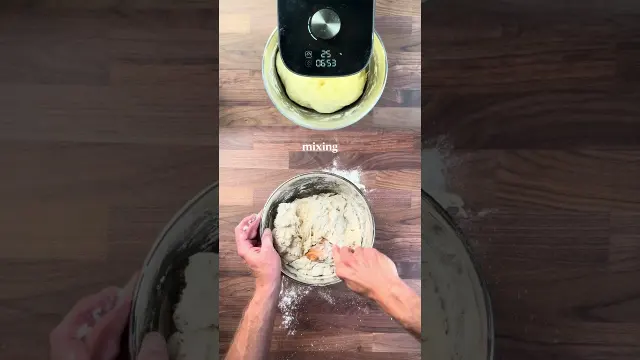
 Easy Homemade Pizza Dough Recipe with Percentages
#Homemade Pizza
11 ideas
Easy Homemade Pizza Dough Recipe with Percentages
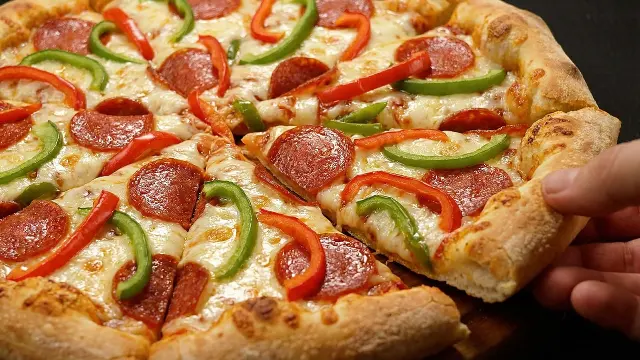 Classic Homemade Pepperoni Pizza Recipe
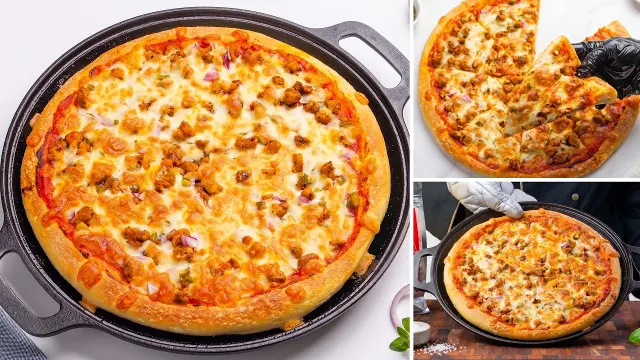 Ultimate Homemade Chicken Pizza Recipe
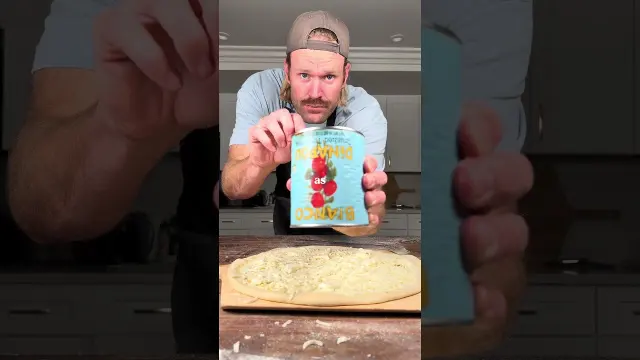 How to Master Homemade Pizza Dough and Sauce
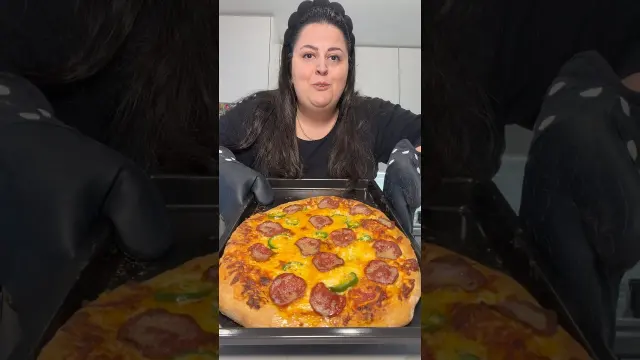 Simple Homemade Pizza Recipe with Stretch and Fold
 Authentic Italian Neapolitan Pizza Recipe
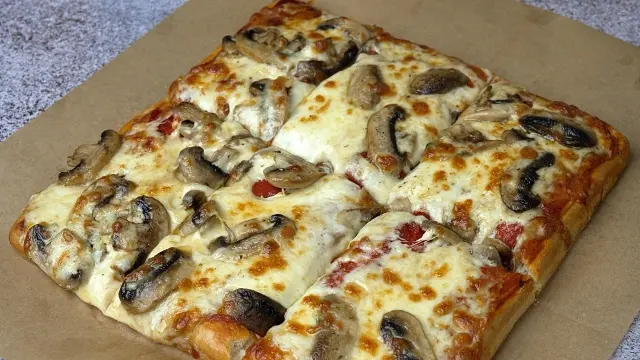 Quick No Knead Liquid Dough Pan Pizza Recipe
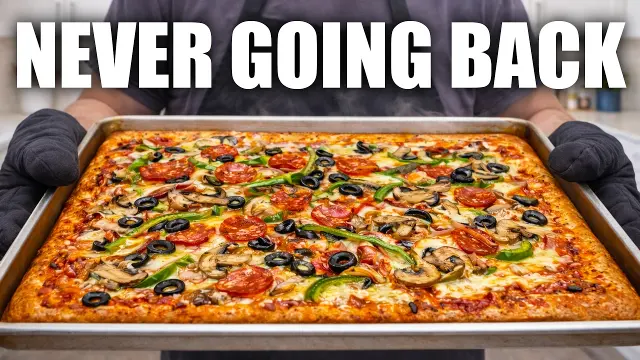 Ultimate Crispy Pan Pizza Recipe at Home
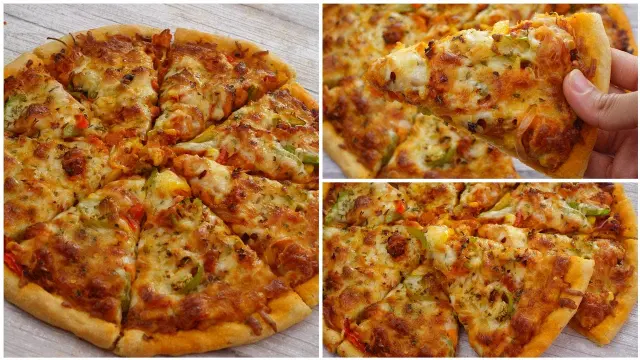 Quick and Easy Chicken Pizza Step by Step Recipe
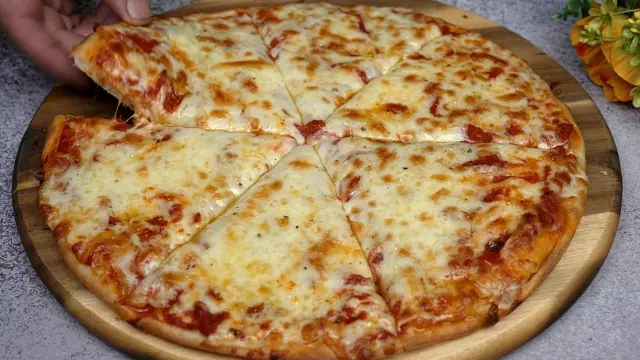 No Knead Five Minute Liquid Dough Pan Pizza
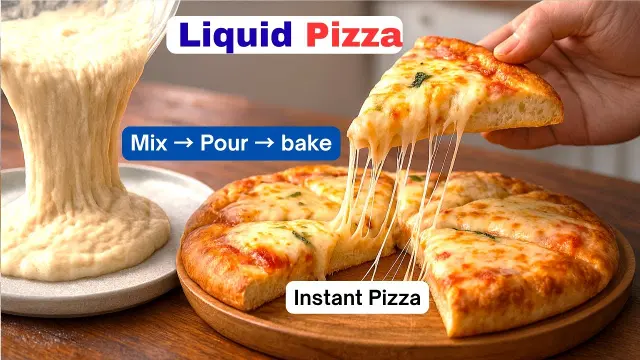 No Knead Liquid Pizza Recipe in Five Minutes
Get new #Homemade Pizza ideas by email
Every Thursday: the week's best ideas, with the newest from #Homemade Pizza.
Related tags
Homemade Pizza: Dough, Sauce, and Toppings
Homemade pizza is one of the most flexible and satisfying dishes you can make in your own kitchen. At its simplest, it is bread dough topped with sauce, cheese, and other ingredients, then baked until the crust is crisp and the toppings are cooked through. Pizza has its roots in Italian baking traditions, especially in Naples, where the classic round pizza became widely known. Over time, many different styles developed, and home cooks have adapted them in countless ways.
What makes a good homemade pizza
The heart of a good pizza is balance: a dough that is flavorful and easy to handle, a sauce that does not overpower the toppings, and enough heat to bake the crust properly. Homemade pizza can be thin and crisp, soft and chewy, or somewhere in between. The style you choose depends on how you like the crust and what kind of oven you have.
Common styles include:
Read more
- Neapolitan-style pizza, with a soft, airy crust and simple toppings
- Thin-crust pizza, which bakes quickly and stays crisp
- Pan pizza, which is baked in a well-oiled pan for a thicker, golden base
- Sheet-pan pizza, useful when you want to make a larger amount at once
Dough basics
Pizza dough usually contains flour, water, yeast, salt, and sometimes a little oil. The exact method can vary, but the goal is the same: to create a dough that is elastic, light, and easy to stretch. Beginners often do best with a simple dough that does not require much handling. If the dough feels sticky at first, give it time; resting helps the gluten relax and makes shaping easier.
A few practical tips help a lot:
- Measure ingredients carefully, especially flour and water
- Allow enough rising time for flavor and texture
- Let the dough come to room temperature before shaping if it has been chilled
- Handle it gently so you do not press out all the air
Sauce, cheese, and toppings
A classic pizza sauce is usually made from tomatoes, seasoned lightly so the flavor stays bright. You do not need a heavy sauce; too much can make the pizza soggy. Cheese is often mozzarella because it melts well, but other cheeses can be used in small amounts for more flavor.
When choosing toppings, less is often better. Too many toppings can weigh down the dough and prevent even baking. It helps to cut vegetables thinly and cook watery ingredients first if needed. Meat toppings should be fully cooked unless the baking method is long enough to finish them safely.
Baking and finishing
Pizza bakes best in a very hot oven. Preheating is important, especially if you are using a stone, steel, or heavy tray. A hot surface helps the bottom brown while the top cooks evenly. If you want a crisper crust, bake the pizza toward the lower part of the oven. For a softer crust, use a pan and a little oil.
After baking, let the pizza rest for a minute or two before slicing. This helps the cheese settle and makes cutting easier. Homemade pizza is also a good place to experiment: once you understand the dough and baking, you can adjust the style to suit your taste and your kitchen.
Videos come from YouTube and posts from Instagram; titles and summaries are our own. All rights belong to their creators.