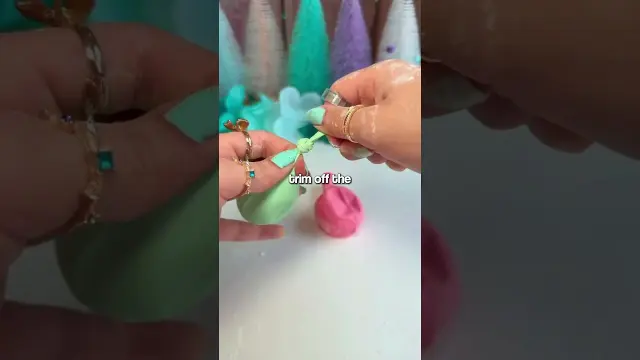
 Homemade Globbles Squishy Fidget You Can Make Yourself
#Homemade Toy
1 ideas
Homemade Globbles Squishy Fidget You Can Make Yourself
Get new #Homemade Toy ideas by email
Every Thursday: the week's best ideas, with the newest from #Homemade Toy.
Related tags
Homemade Toys: A Beginner's Guide to Making Your Own
A homemade toy is any plaything made by hand from ordinary materials rather than bought ready-made. The category is broad and forgiving: a rag doll stitched from fabric scraps, a wooden boat whittled and sanded, a cardboard kitchen, a sock puppet with button eyes, a set of beanbags sewn shut. What these share is not a material or a method but an origin — someone looked at what was available and decided it could become something to play with.
The practice is older than manufacturing. For most of human history, toys were made by the people who used them or by their families: carved animals, cloth figures, dolls with corn-husk or wooden heads, hoops, whistles and spinning tops. Commercially made toys became widely affordable only relatively recently, and even then homemade playthings never disappeared — they persisted through scarcity, through preference for natural materials, and through the simple pleasure of making something oneself. Today a homemade toy is usually chosen rather than necessary, which makes it a hobby, a parenting activity, and sometimes a small act of resistance against disposable plastic.
The main kinds
Broadly, homemade toys fall into a few families.
Read more
- **Fabric and cloth toys** — dolls, soft animals, felt play food, beanbags, finger puppets. Hand-sewn or machine-sewn; a good entry point for anyone learning to sew because small pieces forgive small errors.
- **Wooden toys** — boats, blocks, simple vehicles, pull-along animals. These require sawing and sanding, so they suit people with a workspace and some comfort with tools.
- **Paper and cardboard toys** — folded structures, model buildings, masks, box kitchens, race tracks drawn on the flap of a delivery carton. Cheap, quick, endlessly replaceable.
- **Kinetic and tactile toys** — things made for squishing, stretching, spinning or balancing: doughs, slimes with careful and safe ingredients, fidgets built from elastic or knotted fabric, spinning tops and balancing games.
- **Outdoor and improvised toys** — kites, swing ropes, water toys, garden games, and the long tradition of a stick becoming a horse or a sword.
Starting out
Beginners generally do best starting with a soft or paper-based project, since these need only a small kit and forgive imprecision. Before you begin, gather everything in one place, decide what the toy is meant to do — comfort, throw, stack, spin, dress up — and check the raw materials against the person who will play with it. Very small children need pieces too large to swallow, no long cords, no small removable parts, and no toxic paints, finishes, or adhesives. Anything with a button eye or a bead belongs with an older child or under supervision.
Practical habits
Make a sample before committing to a full project; small toys are usually more complex than they look. Let texture and weight decide the material — a heavier fabric doll sits better, a lighter wood sails better. Keep a box of scraps, because the offcuts of one project are often the raw material of the next. Repair rather than replace, and when a piece finally wears out, salvage what you can.
Above all, resist the urge to finish it perfectly. A homemade toy carries the evidence of its making, and children tend to value the thing that was made for them far more than the thing that was bought for them.
#Homemade Toy: frequently asked questions
How do I start making homemade toys if I've never made one before?
Start with a soft or paper-based project, because those need only a small kit and forgive crooked stitching or uneven folds while you build confidence. Before cutting anything, gather your materials in one place and decide what the toy is meant to do — comfort, throw, stack or spin. Making a rough sample first is worth the time, since small toys are usually more complex than they look.
What materials and tools do I actually need to keep on hand?
It depends on the family of toy: fabric scraps, thread and a needle for cloth pieces, cardboard and paper for folded or box-built toys, wood offcuts and sandpaper for carved ones. Keep a box of scraps, because the offcuts from a project often become the raw material for the next. A workspace matters more than a long tool list — wooden toys want a bench, while cloth and paper fit on a kitchen table.
Which kind of homemade toy should I choose?
Choose by your comfort with tools and by the play you want to encourage — cloth and cardboard suit people learning to sew or craft, while wooden toys suit someone happy sawing and sanding. Then let texture and weight guide the material, since a heavier fabric makes a doll that sits nicely and a lighter wood makes a boat that sails better. Matching the toy to the child's age matters just as much as matching it to your skills.
What should I watch out for when the toy is for a small child?
Check the materials against the person who will play with it: pieces too small to swallow, long cords, tiny removable parts and harsh paints, finishes or adhesives have no place in a toy for a very young child. Button eyes, beads and anything detachable belong with an older child or only under supervision. If you are unsure whether a material is appropriate, it is better to set it aside than to guess.
How do I care for a homemade toy so it lasts?
Repair rather than replace — a loose seam or a wobbly wheel is usually a quick fix, and when a piece finally wears out you can salvage the parts that are still sound. Store toys somewhere dry and check them now and then for worn stitching, splinters or loosened joins, especially before handing them to a child.
What are the most common mistakes people make with homemade toys?
The big one is chasing a flawless finish: a homemade toy carries the evidence of its making, and children tend to value the thing made for them far more than the thing bought for them. Skipping the trial version is another frequent slip, as is choosing a material for looks rather than for how it feels and behaves in play.
Videos come from YouTube and posts from Instagram; titles and summaries are our own. All rights belong to their creators.