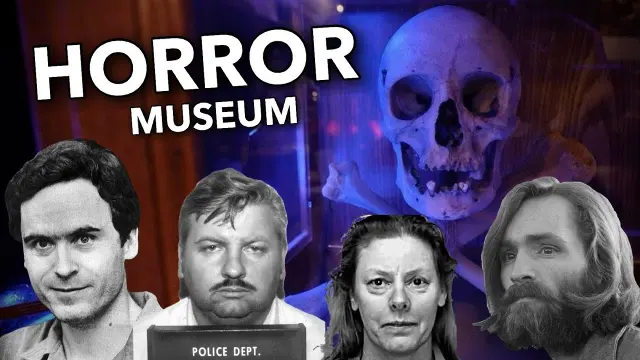
 Exploring the Michigan Museum of Horror and Oddities
#Horror Museum
1 ideas
Exploring the Michigan Museum of Horror and Oddities
Get new #Horror Museum ideas by email
Every Thursday: the week's best ideas, with the newest from #Horror Museum.
Related tags
A Beginner's Guide to Horror Museums and Oddity Collections
A horror museum is a place built to unsettle you on purpose. Its rooms gather the macabre, the uncanny and the plainly strange: wax figures with too-bright eyes, antique surgical instruments, taxidermy gone wrong, spirit photographs, carnival banners, props from ghost stories and local legends told in dim light. Some are polished attractions with timed entry and jump scares; others are a single crowded room of shelves, handwritten labels and dust. Both exist, and both have their own pleasure — one is theatre, the other is a cabinet of curiosities you are allowed to touch with your eyes.
Where the idea comes from
The horror museum has old roots. The early modern "cabinet of curiosities" mixed real natural specimens with fakes and wonders, teaching visitors to marvel and to doubt at the same time. Travelling shows and dime museums carried that habit to wide audiences, displaying oddities alongside magic lantern shows and waxworks. Medical and anatomical collections, built for teaching, later opened their doors to the merely curious. Folklore and witch museums grew from another impulse: preserving local stories before they faded. A modern horror museum usually inherits a little of each — the sideshow, the anatomy hall, the storyteller's fire.
The main kinds
Read more
- Wax museums and dark attractions, where atmosphere and staging carry the experience.
- Oddities and curiosity collections, often assembled by one obsessive collector.
- Medical and anatomical displays, kept educational rather than sensational where they are done well.
- Folklore, witchcraft and legend museums, tied to a specific region and its stories.
- Haunted attractions and immersive houses, closer to performance than to exhibition.
What to know before you go
Check age guidance and content warnings carefully, especially if you are bringing children or someone who is easily frightened; the label "family friendly" means very different things in different places. Ask about photography, since flash can damage old objects and some collections forbid images entirely. Small private museums have limited opening hours, so confirm before travelling.
Wear comfortable shoes, eat beforehand if flickering light and sudden sound make you queasy, and give yourself permission to leave a room early. Going with a friend often makes the experience richer, because half the fun is comparing what you each found most unsettling. If a display concerns real human remains or someone's grief, treat it quietly and remember that curiosity and respect can share a room.
Finally, let the visit linger. Horror museums work best when you come out with a question rather than an answer — about why a story was told, why an object was kept, why we like being frightened in safe company. That question is usually what you take home.
#Horror Museum: frequently asked questions
What actually is a horror museum?
It is an exhibition space designed to make visitors uncomfortable on purpose, gathering objects and stories that sit somewhere between the eerie and the grotesque. Depending on the place, you might find staged wax scenes, old medical instruments, strange taxidermy, spirit photographs or local ghost legends. Some are slick theatrical attractions, while others are a few crowded shelves in a private collector's back room.
Which kind of horror museum should I pick?
Decide first whether you want atmosphere or authenticity: dark ride-style attractions and wax museums deliver staging and scares, while curiosity collections and folklore museums deliver objects, labels and stories tied to a place. Medical and anatomical displays sit in between, and are best chosen when they are presented with an educational intent rather than pure shock. If you are travelling for it, look for the kind whose subject genuinely interests you, not just the one with the biggest reputation.
Is a horror museum appropriate for children?
It varies enormously, so read the age guidance and content warnings rather than relying on a general impression of the place. A label like family friendly can mean something quite different from one museum to the next. If someone in your group frightens easily, it is worth asking staff how intense the experience gets before you commit.
What should I do to prepare for a visit?
Wear comfortable shoes, eat beforehand if flickering light or sudden noise tends to make you unwell, and plan to go with a friend so you can compare notes afterwards. Confirm opening hours directly, since smaller private collections keep limited times and are not always open when a listing suggests. Above all, give yourself permission to step out of a room early if it becomes too much.
What are the common mistakes first-time visitors make?
The most frequent ones are arriving without checking opening times, assuming photography is allowed, and rushing through so that the displays blur into one long corridor of shock. Flash can damage older objects, and some collections forbid images entirely, so ask at the door. Another easy mistake is treating human remains or someone's remembered grief as pure spectacle rather than something to look at quietly.
What is the point of going at all?
A good horror museum leaves you with a question rather than an answer, whether that is why a particular story was told, why an object was kept, or why being frightened in the company of strangers can be enjoyable. That lingering curiosity is usually the real souvenir. It also makes the visit a decent outing for a date, a group of friends, or anyone who likes local legend and odd history.
Videos come from YouTube and posts from Instagram; titles and summaries are our own. All rights belong to their creators.