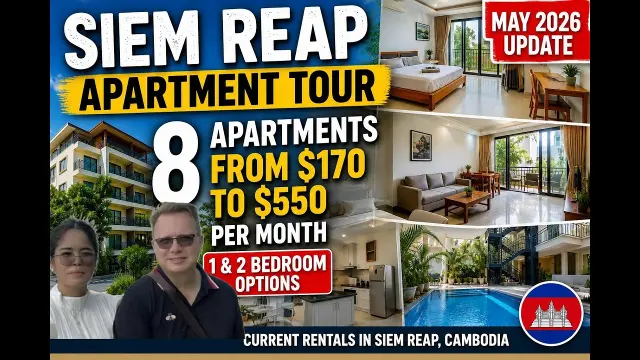
 Siem Reap apartment tour with rentals from $170 to $550
#Housing
1 ideas
Siem Reap apartment tour with rentals from $170 to $550
Get new #Housing ideas by email
Every Thursday: the week's best ideas, with the newest from #Housing.
Related tags
Housing: A Guide to Finding and Keeping a Home
Housing is the word we use for the physical shelter people live in — a house, an apartment, a room, a shared flat — and also for the whole system that produces and distributes it: who builds it, who rents it out, who can afford it. It sits somewhere between a private comfort and a public concern, which is why the conversation around it is never only about walls and a roof.
What housing actually covers
At its simplest, housing is shelter with the basics of daily life attached: a place to sleep, to cook, to wash, to keep your things. What makes it different from any other building is tenure — the arrangement under which you occupy it. You might own outright, own with a mortgage, rent from a private landlord, rent from a public or cooperative body, live with family, or occupy a place under a scheme designed for a particular group. Each arrangement carries its own rights, costs and limitations, and knowing which one you're in shapes everything else.
The main kinds of home
Read more
Housing varies more than people expect. Detached houses and semi-detached houses stand alone or share a wall. Terraced houses form continuous rows. Apartments and flats occupy part of a larger building, sometimes with shared entrances, stairs, gardens or facilities. Studios combine living and sleeping space in one room. Beyond these, there are townhouses, bungalows, maisonettes, converted lofts, mobile and prefabricated homes, houseboats, and collective arrangements such as cohousing, where residents share common space and some responsibility for the place.
Density, layout and construction matter less than how well the home fits the people living in it. A well-planned small flat can serve better than a badly arranged large one.
Renting and owning in practice
Renting usually means lower initial cost and more flexibility to move; it also means less control over the property and, in many places, rent that can rise. Owning means long-term security and the ability to alter the home, but it ties up savings, carries maintenance costs, and makes moving harder. Neither is the "correct" choice — the right one depends on how settled you expect to be, what you can afford without strain, and what you want to be responsible for.
What to check before committing
Read the lease or contract properly, including what is included in the cost and what the notice terms are. Look at the condition of the roof, windows, heating, plumbing and damp, not just the rooms. Ask about utilities, insurance and any shared charges. Visit at different times of day if you can. And keep copies of everything you sign, plus records of payments.
A few lasting principles
Spend within your means, leave room for the unexpected repair, and be honest with yourself about what you need rather than what looks impressive. A home should be affordable, safe, and dull in the best sense — a steady background to your life rather than a source of worry.
#Housing: frequently asked questions
How do I start looking for a place to live when I've never rented or bought before?
Begin by deciding what you can comfortably spend and what you actually need day to day — space to sleep, cook, wash and store your things. Then work out which tenure fits your situation, since owning, private renting, renting from a cooperative body and living with family all carry different rights, costs and limits. Look at more places than you think you need to, and compare them against each other rather than judging each one on its own.
What is the difference between renting and owning in everyday terms?
Renting generally asks less upfront and makes it easier to move, but gives you less control over the property and can leave you exposed to rising costs. Owning brings long-term security and the freedom to change the home, at the price of tied-up savings, ongoing maintenance and a slower exit. Neither is the right answer in itself — it depends on how settled you expect to be and how much responsibility you want.
Which kind of home should I choose — a house, a flat, or something else?
The type matters far less than the fit: a well-planned small flat often works better than a large house laid out poorly. Detached, semi-detached and terraced houses, apartments, studios, bungalows, maisonettes, converted lofts, prefabricated homes and cohousing arrangements each suit different households and habits. Think about how you actually live — noise, stairs, shared entrances, outdoor space — rather than what a place looks like in photos.
What should I check before I sign anything?
Read the lease or contract in full, including what the cost covers and what the notice terms are, and ask about utilities, insurance and any shared charges. Inspect the roof, windows, heating, plumbing and any signs of damp rather than only the rooms you will use. Visit at different times of day if you can, and keep copies of everything you sign along with records of payments.
How do I take care of a home once I'm in it?
Set aside a little regularly for the unexpected repair, because upkeep is continuous rather than occasional. Deal with small problems — a leak, a draught, condensation — before they turn into expensive ones, and keep an eye on anything shared with neighbours or other residents. A well-kept home is meant to be dull in the best sense: a steady background to your life instead of a source of worry.
What are the most common mistakes people make when choosing a home?
The usual ones are stretching the budget to the limit, ignoring maintenance and running costs, and choosing a place that impresses rather than one that fits. Others include reading the contract carelessly, skipping a proper look at the condition of the building, and committing before visiting at a different time of day. Being honest about what you need, and leaving room for the unexpected, prevents most of them.
Videos come from YouTube and posts from Instagram; titles and summaries are our own. All rights belong to their creators.