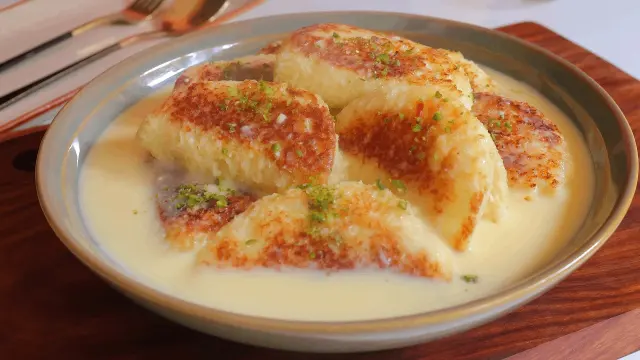
 Diwali Special Festive Bread Custard Puli Recipe
#Indian Desserts
1 ideas
Diwali Special Festive Bread Custard Puli Recipe
Get new #Indian Desserts ideas by email
Every Thursday: the week's best ideas, with the newest from #Indian Desserts.
Related tags
Indian Desserts: A Guide to Mithai and Sweet Traditions
In India, a meal without something sweet is considered unfinished. Desserts — collectively known as mithai, a word that comes from Sanskrit and simply means sweet food — sit at the centre of festivals, weddings, temple offerings, and ordinary evenings when someone brings a box of sweets home for no reason other than that it is Tuesday. They vary enormously from region to region, but they share a few building blocks: milk, sugar, ghee, rice or lentils, nuts, and a small, careful set of flavourings such as cardamom, saffron, rose water and nutmeg.
The main families of sweets
Milk-based sweets are the largest group in the north and west. Milk is simmered slowly for hours until it thickens and caramelises slightly, then shaped into barfi and peda, or left loose as rabri and kheer. Khoya — reduced, dried milk — is the base for many of these, and it is the reason they taste richer than their short ingredient list suggests.
Syrup-soaked sweets take a different route. Gulab jamun, rasgulla and jalebi are fried or cooked first, then soaked in sugar syrup flavoured with rose or cardamom. The syrup's thickness is the whole art here: too thin and the sweets stay dry, too thick and they turn heavy and grainy.
Read more
Flour and legume sweets cover laddoo, halwa, and sweets made from ground lentils or chickpea flour. These are often the ones made at home, in a heavy pan, with a wooden spoon and some patience.
Then there are the rice and grain puddings of the south and east — payasam and its variations, cooked with milk or coconut milk, jaggery, and sometimes vermicelli or lentils. Bengali sweets, meanwhile, are famous for their fresh cheese-based sweets, white and delicate and soaked in light syrup.
What beginners should know
Start with something forgiving: a rice kheer or a semolina halwa will teach you more about heat control and timing than an ambitious first attempt at a fried, syrup-soaked sweet. Use full-fat milk and stir it often, scraping the bottom of the pan, or the milk will catch and the whole batch will taste of it. Roast nuts briefly before adding them — it takes a minute and deepens everything.
Sugar syrup is best judged by feel rather than by clock: drop a little into cold water and see what it does. Frying needs moderate, steady heat; sweets browned too fast stay raw inside. Soak ground lentils and drain them well before grinding, and always taste as you go, since sweetness is a matter of preference and varies by household.
Finally, serve them the way they are meant to be served: in small portions, with tea or after a meal, offered to whoever is sitting nearest you.
#Indian Desserts: frequently asked questions
How do I get started making Indian desserts if I have never made one before?
Begin with something forgiving, such as a rice kheer or a semolina halwa, which teach heat control and timing without demanding precision. Use full-fat milk, stir often, and scrape the bottom of the pan so nothing catches. Once those feel comfortable, move on to syrup-soaked or fried sweets.
What ingredients should I keep on hand for Indian sweets?
Most traditional sweets are built from a short list: milk, sugar, ghee, rice or lentils, and nuts, plus flavourings like cardamom, saffron, rose water and nutmeg. Khoya, or reduced dried milk, is worth seeking out because it is the base for many milk sweets. Roasting nuts briefly before using them deepens their flavour for very little effort.
Which type of Indian sweet should I choose for a particular occasion?
Milk-based sweets such as barfi and peda travel well and suit gifting, while syrup-soaked ones like gulab jamun are served warm and feel celebratory. Rice and grain puddings are comforting and easy to make in larger quantities for a family gathering. Fresh cheese-based Bengali sweets are delicate, so plan to serve them soon after they are made.
How do I know when the sugar syrup is right?
Judge it by feel rather than by the clock: drop a little syrup into cold water and watch how it behaves. Syrup that is too thin leaves the sweets dry, while one that is too thick turns them heavy and grainy. The same care applies to frying, which needs moderate, steady heat so sweets cook through instead of browning too fast.
How should I store and serve Indian desserts?
Milk and cheese-based sweets are best kept cool and eaten within a short time, while dry sweets such as laddoo and barfi hold up longer in an airtight container. Serve them in small portions, with tea or after a meal, the way they are traditionally offered. Always taste as you go, since sweetness varies from household to household.
What are the most common mistakes beginners make with Indian sweets?
Rushing the milk is the usual culprit, since it needs slow simmering and frequent stirring to avoid catching on the pan. Another is frying at too high a heat, which leaves the centre raw while the outside darkens. Undersoaking lentils before grinding, or skipping the step of draining them well, also spoils the texture.
Videos come from YouTube and posts from Instagram; titles and summaries are our own. All rights belong to their creators.