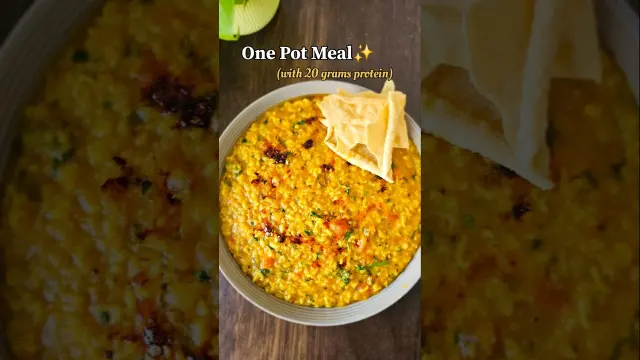
 High Protein Multi Dal Khichdi
#Indian Recipe
1 ideas
High Protein Multi Dal Khichdi
Get new #Indian Recipe ideas by email
Every Thursday: the week's best ideas, with the newest from #Indian Recipe.
Related tags
Indian Recipes: A Guide to Everyday Cooking
Indian recipes cover one of the world’s most varied and expressive food traditions. They come from many regions, languages, and households, so there is no single “Indian cuisine,” but a rich collection of local cooking styles shaped by climate, religion, trade, and family custom. You may find gentle lentil dishes, richly spiced curries, crisp snacks, flatbreads, rice specialties, and celebratory sweets, all under the same broad umbrella.
What defines Indian cooking
At its heart, Indian cooking often balances several elements: spice, sourness, sweetness, heat, and texture. Spices are used in many forms, from whole seeds tempered in oil to ground blends added during cooking. Common ingredients include lentils, rice, wheat, yogurt, vegetables, herbs, ghee or oil, and a wide range of legumes. Many dishes are naturally vegetarian, though meat, fish, and eggs are also important in many regional cuisines.
The same ingredient can be prepared in many ways. For example, lentils may be simmered into a simple dal, cooked with vegetables, turned into a stuffed dish, or paired with rice for a comforting meal. This flexibility is one reason Indian recipes are so practical for home cooking.
Read more
Main styles and regional differences
Indian food changes greatly from one region to another.
- In the north, you often see wheat breads such as roti, paratha, and naan, along with creamy vegetable dishes, dals, and rich gravies.
- In the west, you may find both vegetarian and non-vegetarian dishes, with bold flavors, snacks, and a strong tradition of rice and flatbreads.
- In the south, rice is central, and dishes often include coconut, tamarind, curry leaves, and fermented batters for dosas, idlis, and similar foods.
- In the east, fish, rice, lentils, mustard, and sweets often play an important role, alongside lighter cooking methods and delicate seasoning.
These are broad patterns, not strict rules, but they can help you understand the range of Indian recipes.
Techniques worth learning
If you are new to Indian cooking, a few basic techniques will open many recipes:
- Tempering spices in hot oil or ghee to release aroma
- Cooking onions slowly for a deeper base flavor
- Toasting spices briefly so they smell fragrant, not burnt
- Simmering lentils and legumes until soft
- Balancing seasoning with salt, acidity, and a little sweetness when needed
You do not need a large spice collection to begin. A few basic spices, used carefully, can already create good flavor. It is usually better to start mild and add more if needed.
Tips for beginners
When you cook Indian recipes at home, keep these points in mind:
- Read the full recipe before starting, because many dishes build flavor in stages.
- Measure spices carefully at first; strong seasoning can be adjusted, but it is harder to remove.
- Let onions, tomatoes, or other base ingredients cook long enough to develop flavor.
- Taste as you go and adjust salt, heat, and moisture.
- Serve with simple sides such as rice, flatbread, yogurt, or a fresh salad to complete the meal.
Indian recipes reward patience, but they do not have to be complicated. Once you understand a few building blocks, you can cook many comforting dishes with confidence and make them your own.
Videos come from YouTube and posts from Instagram; titles and summaries are our own. All rights belong to their creators.